
Neighboring Countries of Poland: World Wicker and Weaving Festival 2023 in Poland – Part 7
We had already spent time at the botanical garden with members from Sweden, Germany, and Serfenta from Poland,
engaging in exhibitions and exchanges, but there were still many other countries presenting exhibitions and booths.
We begin with Ukraine, which borders southeastern Poland.
Despite the extremely difficult circumstances they are facing,
the Ukrainian participants had prepared a remarkable exhibition and were also running a sales booth.
Having heard many stories about Poland’s acceptance of refugees,
we were deeply struck by the strength and presence of the Ukrainian display.
It was a powerful reminder that life, even under such conditions, continues.
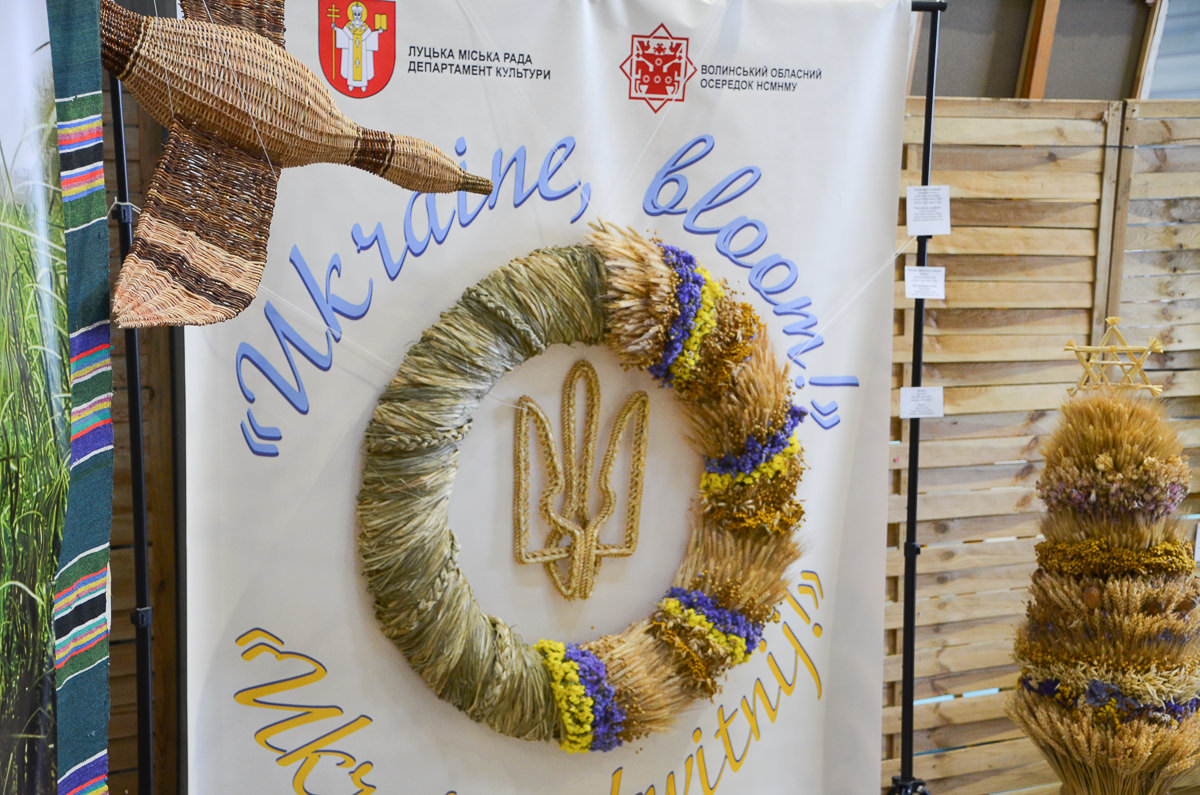
Ukraine bloom! 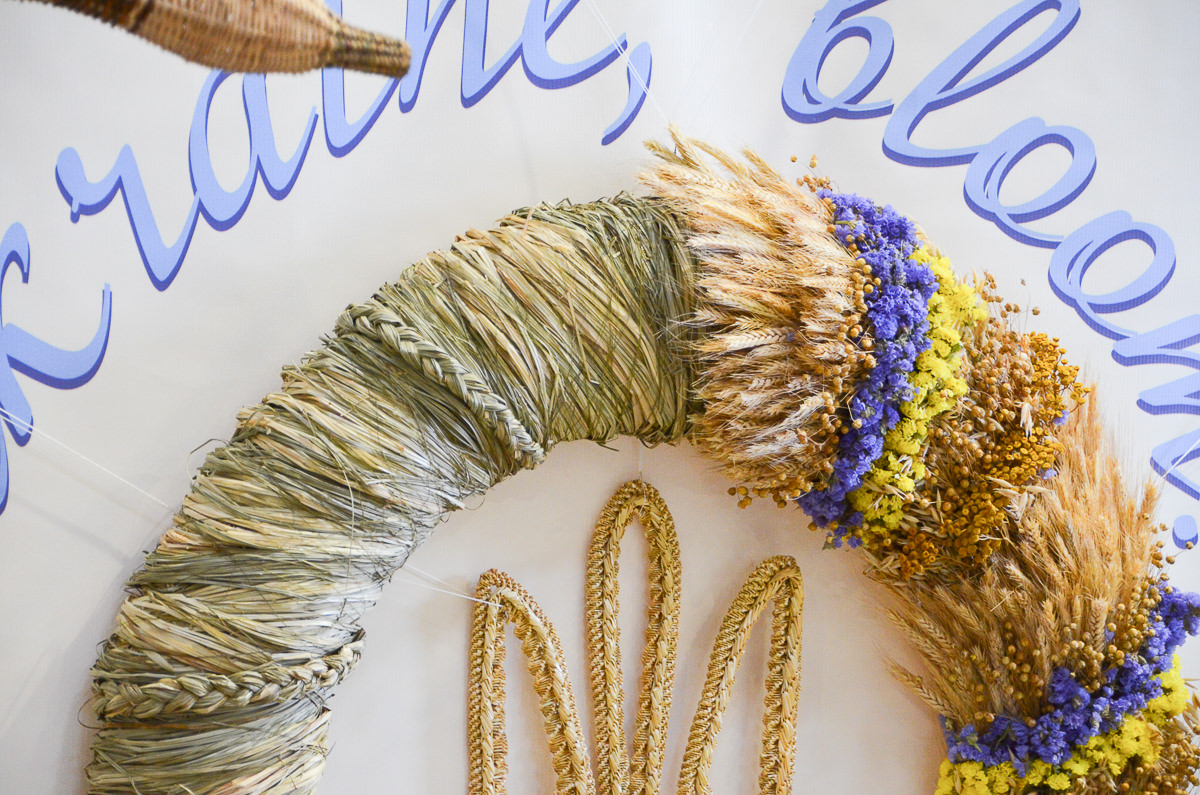
In Ukraine, where straw basketry is widely practiced, they created a remarkable wreath using wheat straw—both the stalks and the ears. 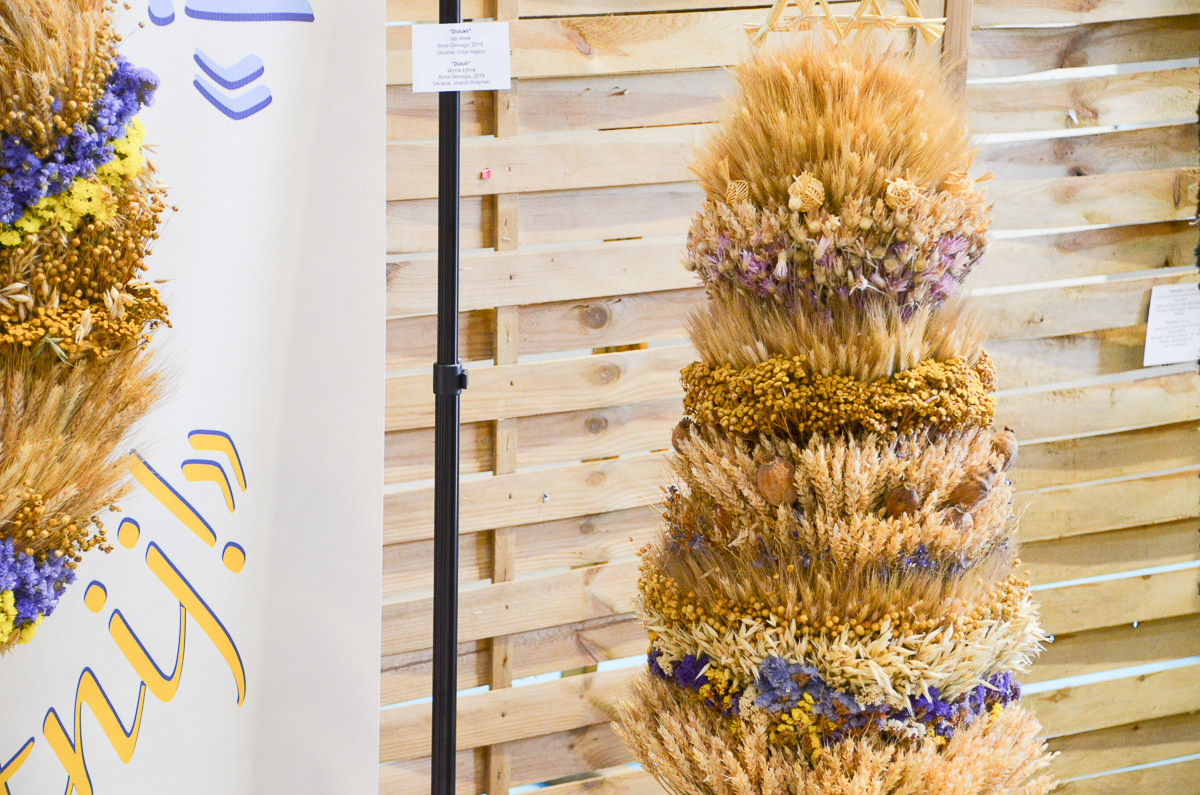
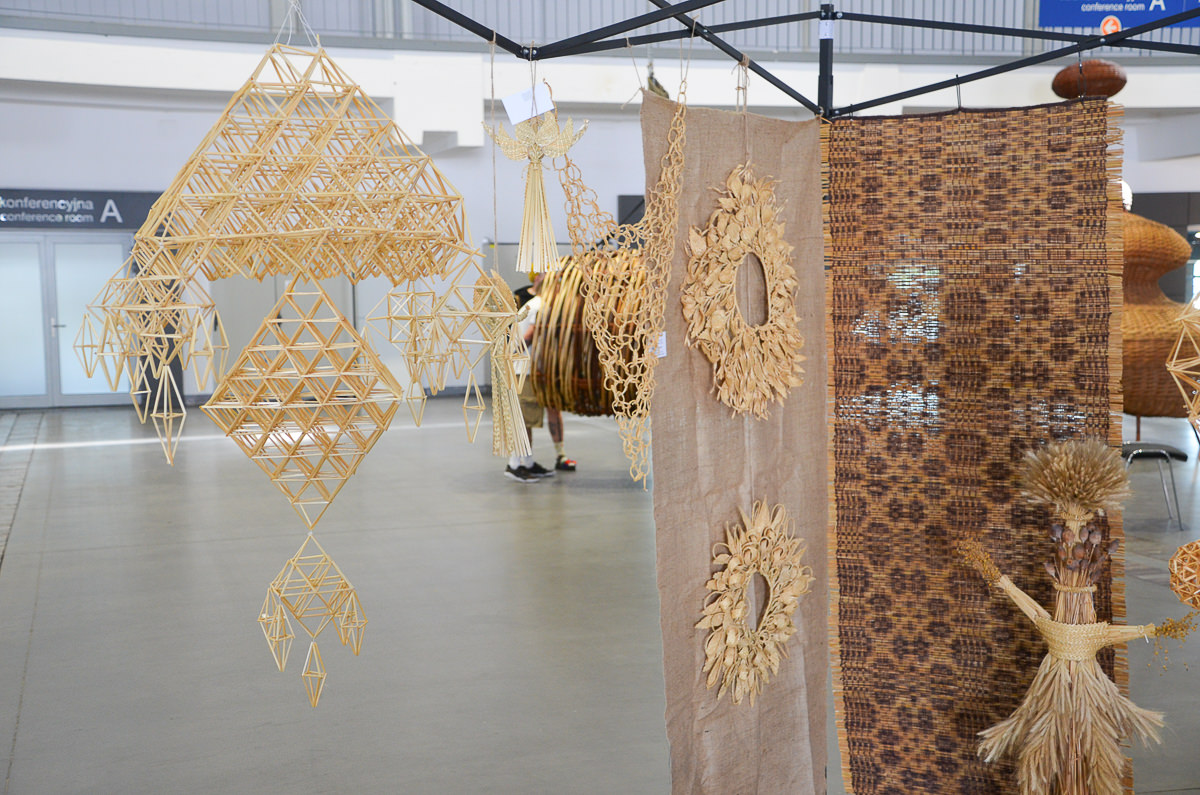
We also saw decorative ornaments known as Sodas from Lithuania.
They may share a common origin with other forms of straw craft.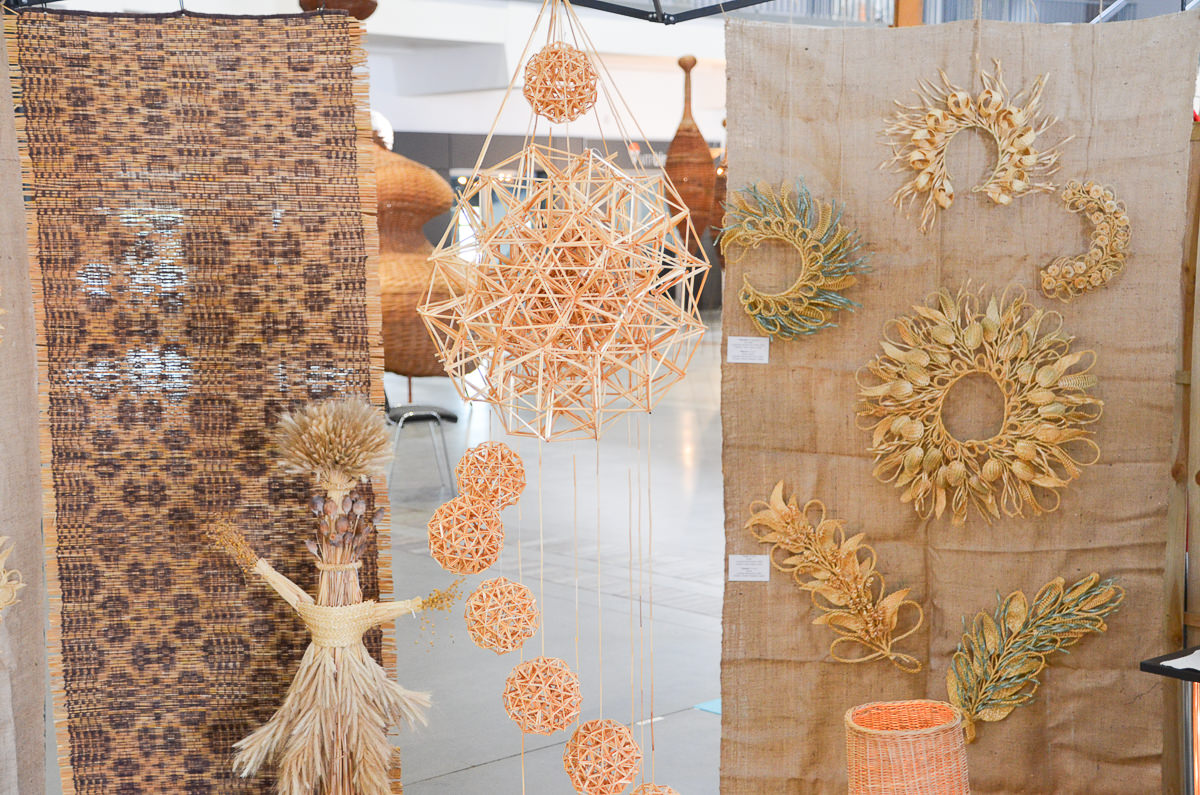
There were also pieces made by dyeing straw and arranging it in a reed-screen–like form (left in the photo), as well as works shaped into figures resembling small dolls. 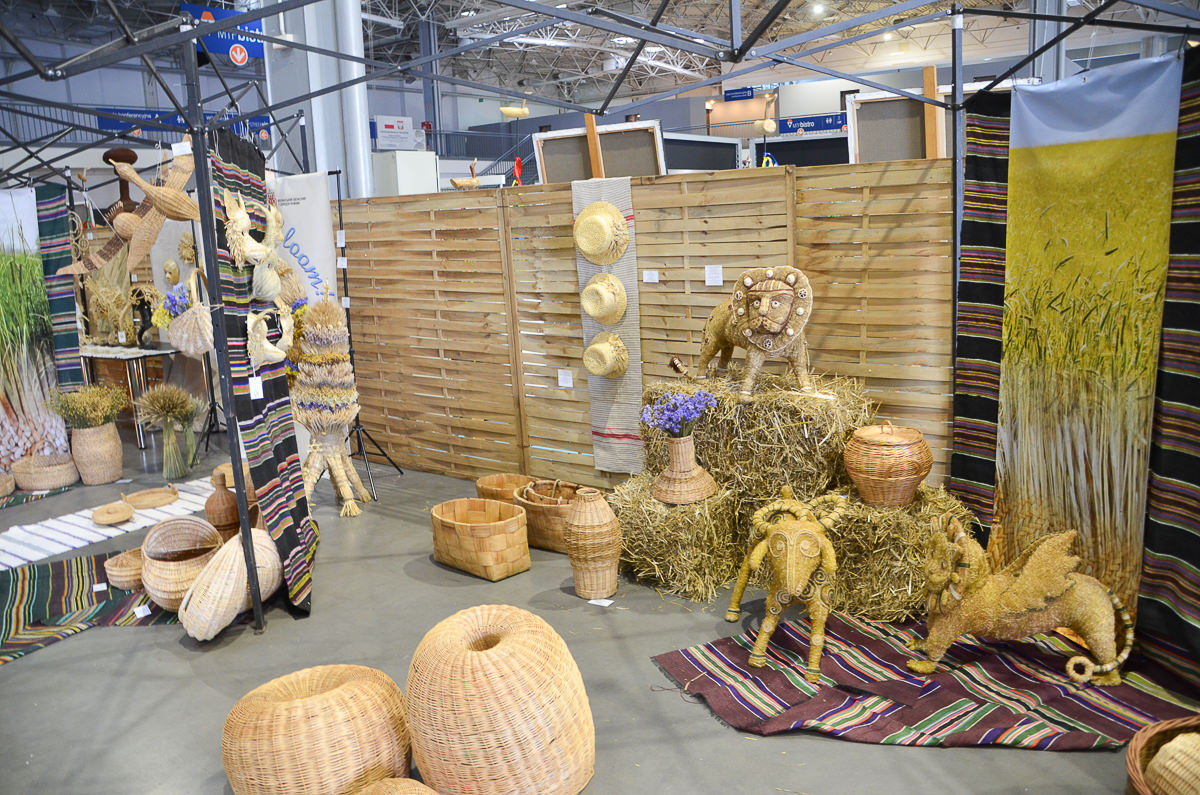
It was striking to see how the softness of grasswork was skillfully used to create a wide variety of forms. There were also baskets made from materials such as willow and pine. 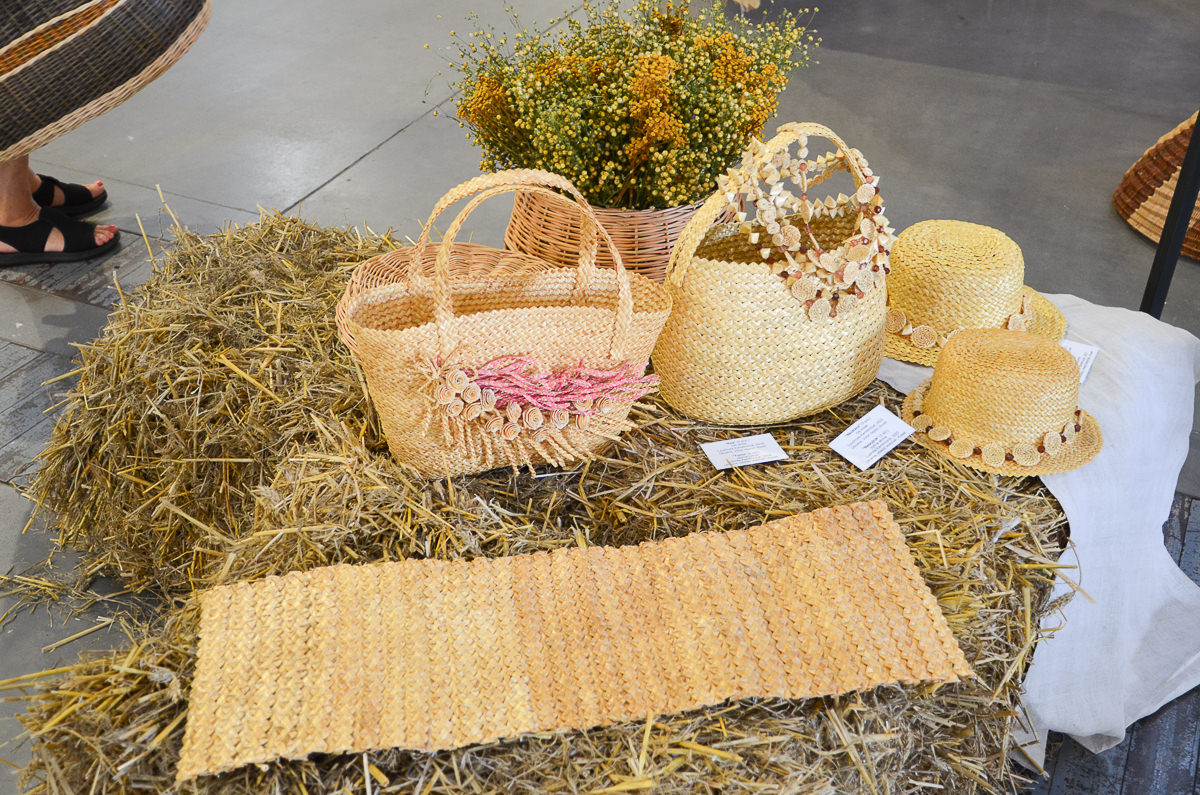
There were straw mats, bags, and hats made from wheat straw.
They felt very close to the ways rice straw has traditionally been used in Japan.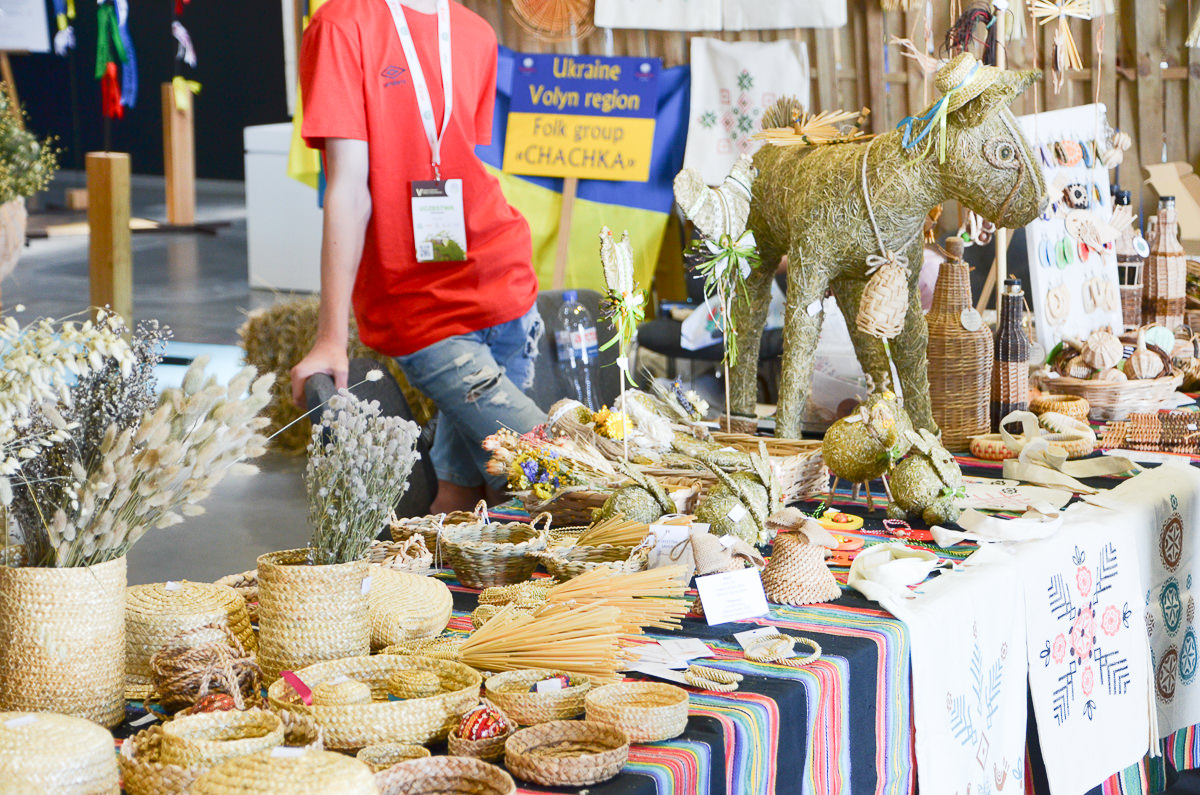
There was also a sales booth, where a wide variety of basketry works and textiles decorated with traditional motifs were displayed.
We do not know whether it truly counts as support, but both Mr. Sasaki and I found pieces that we were drawn to, and ended up purchasing several items.
Next, we turn to the exhibition from Slovakia,
which borders Poland to the south.
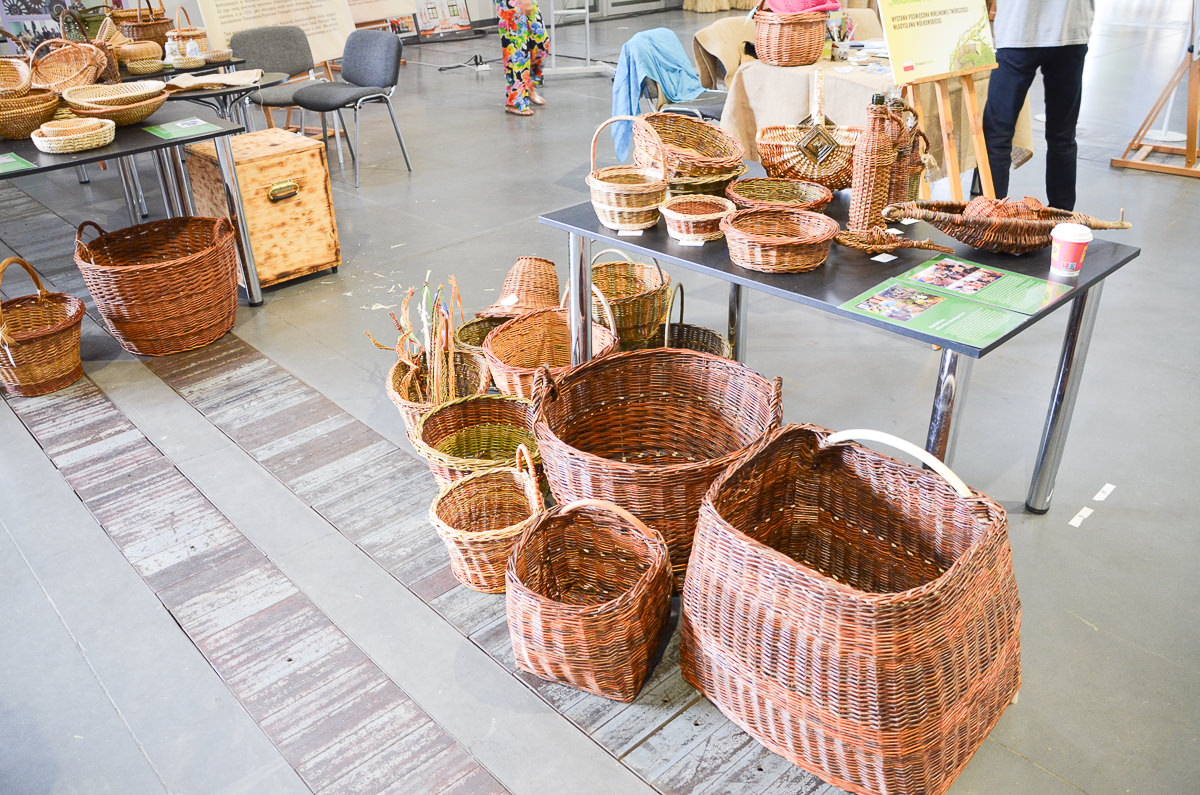
In Slovakia as well, basketry is made using willow, much like in Poland and other European countries. 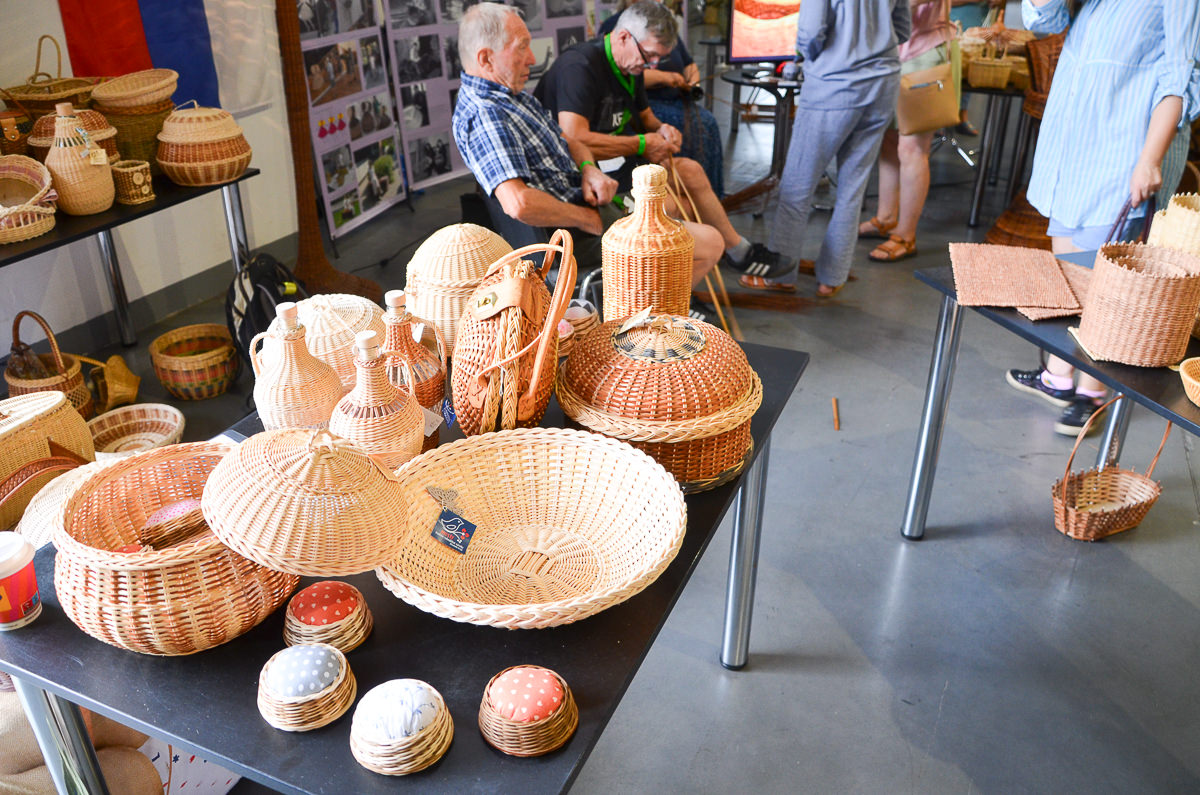
Finely detailed craftsmanship can also be seen. 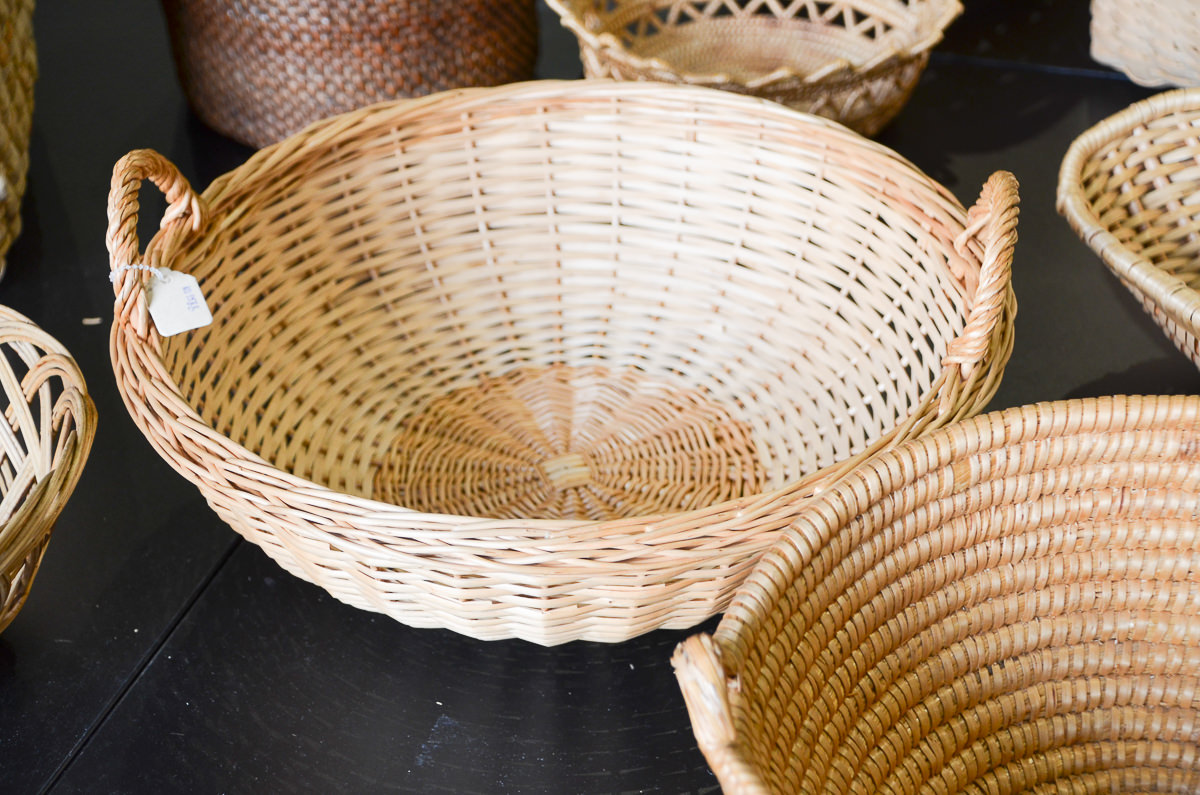
There were also pieces that were not only beautiful, but appeared highly practical. 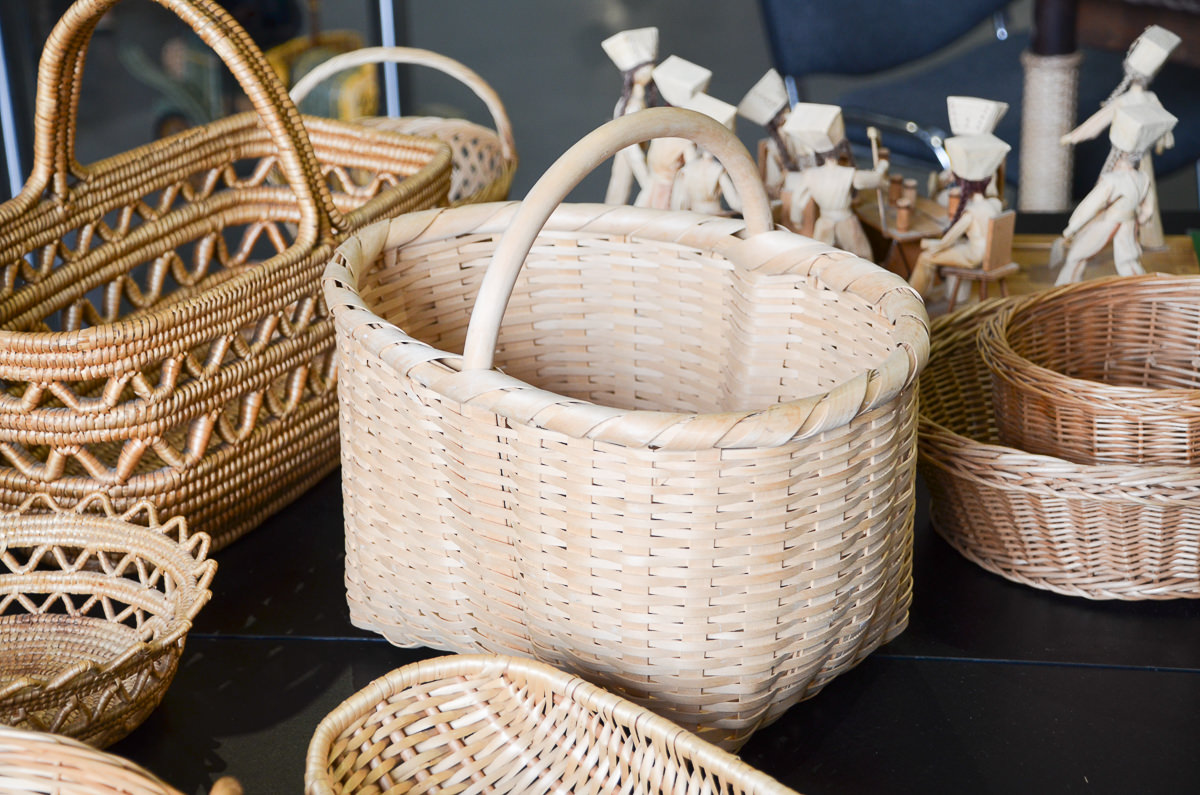
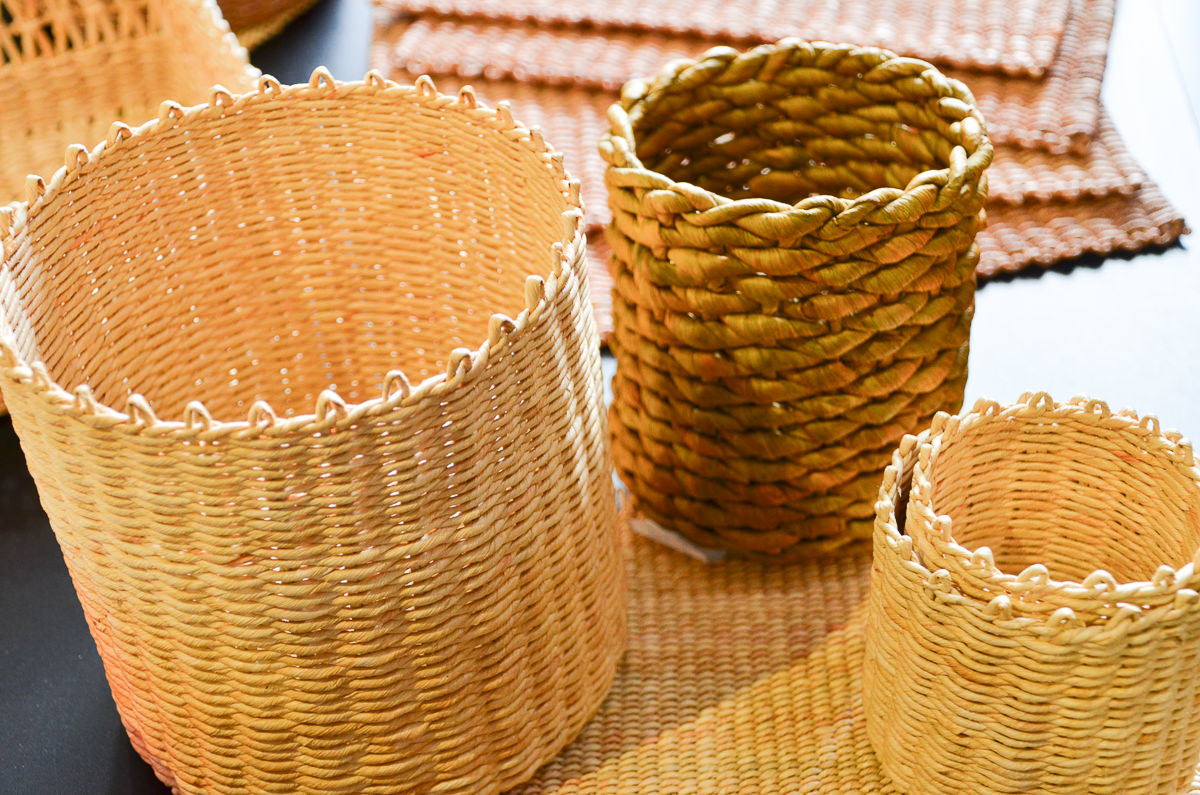
This basket is made from corn husks. It has a wonderfully simple character, and is woven with solid care. 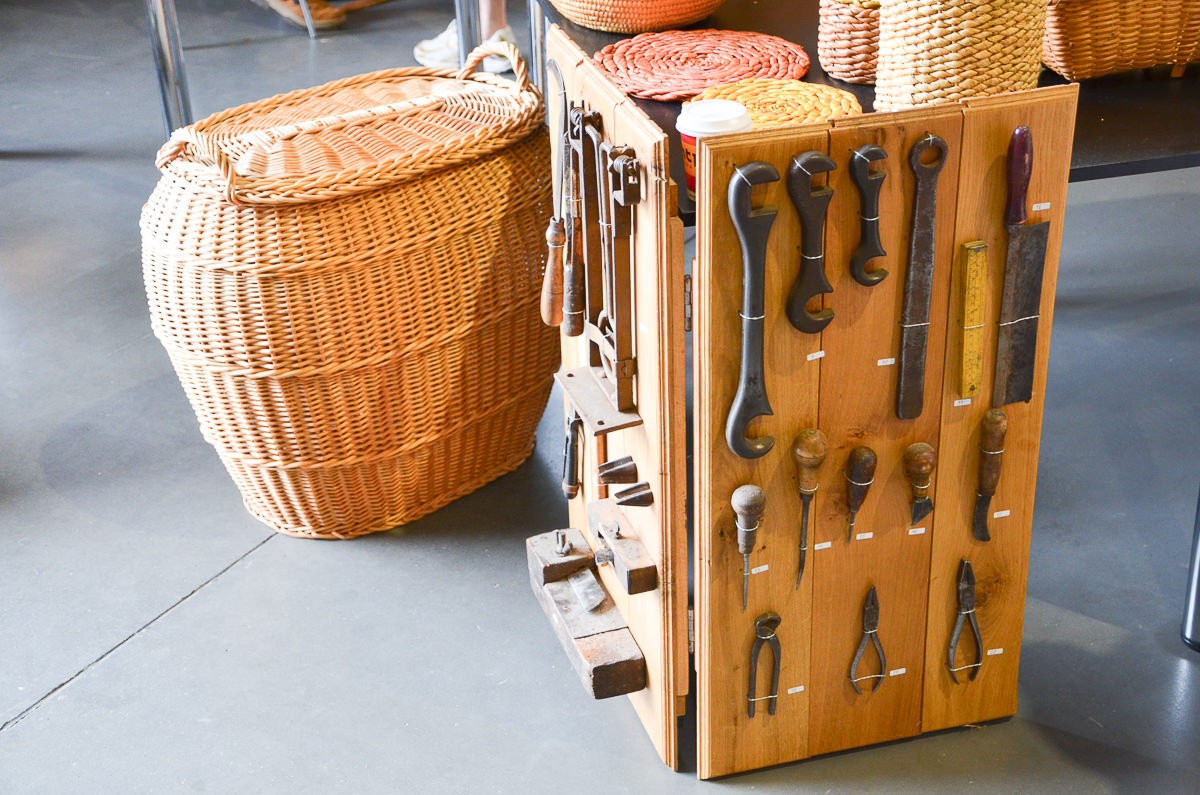
Tools used for basket making were also on display. 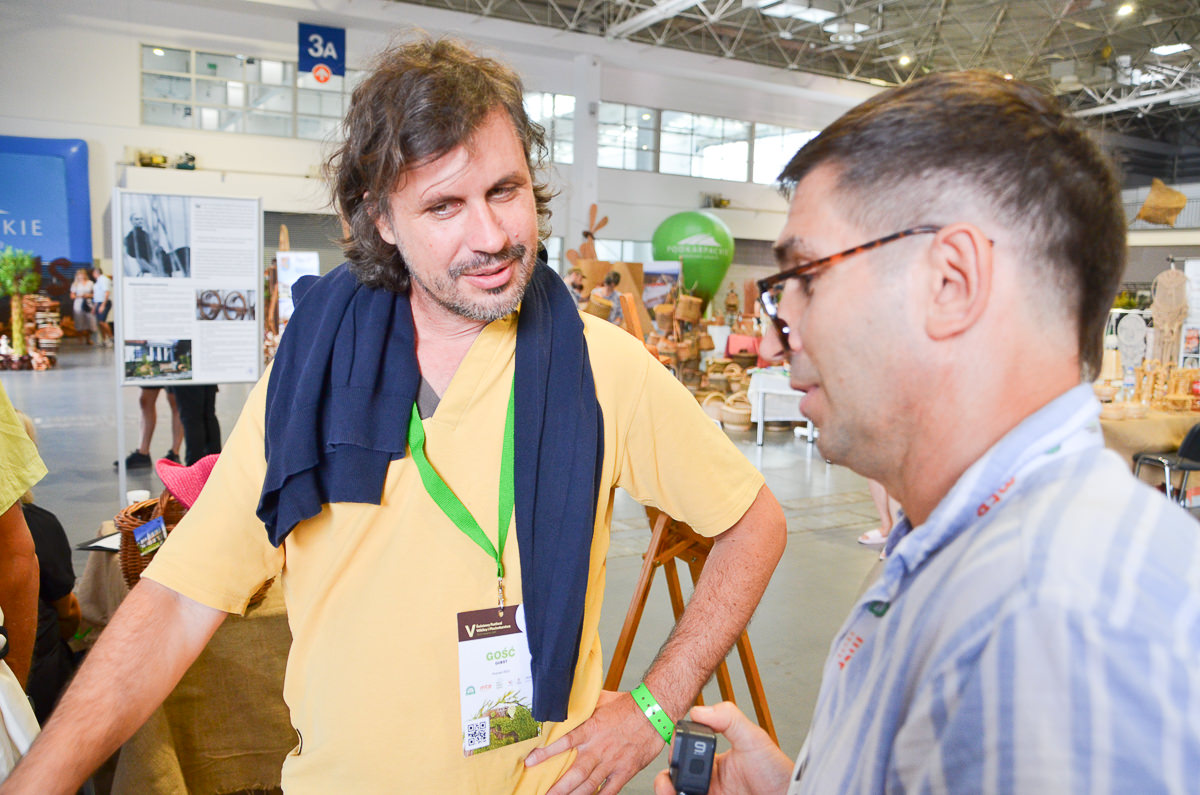
This is Tomáš (left in the photo) from the Slovak Folk Art Centre.
We had also shared exhibitions and conversations at the 2019 festival, so we were both delighted to meet again. He even remembered my name (Tomotake), as it is similar to his own.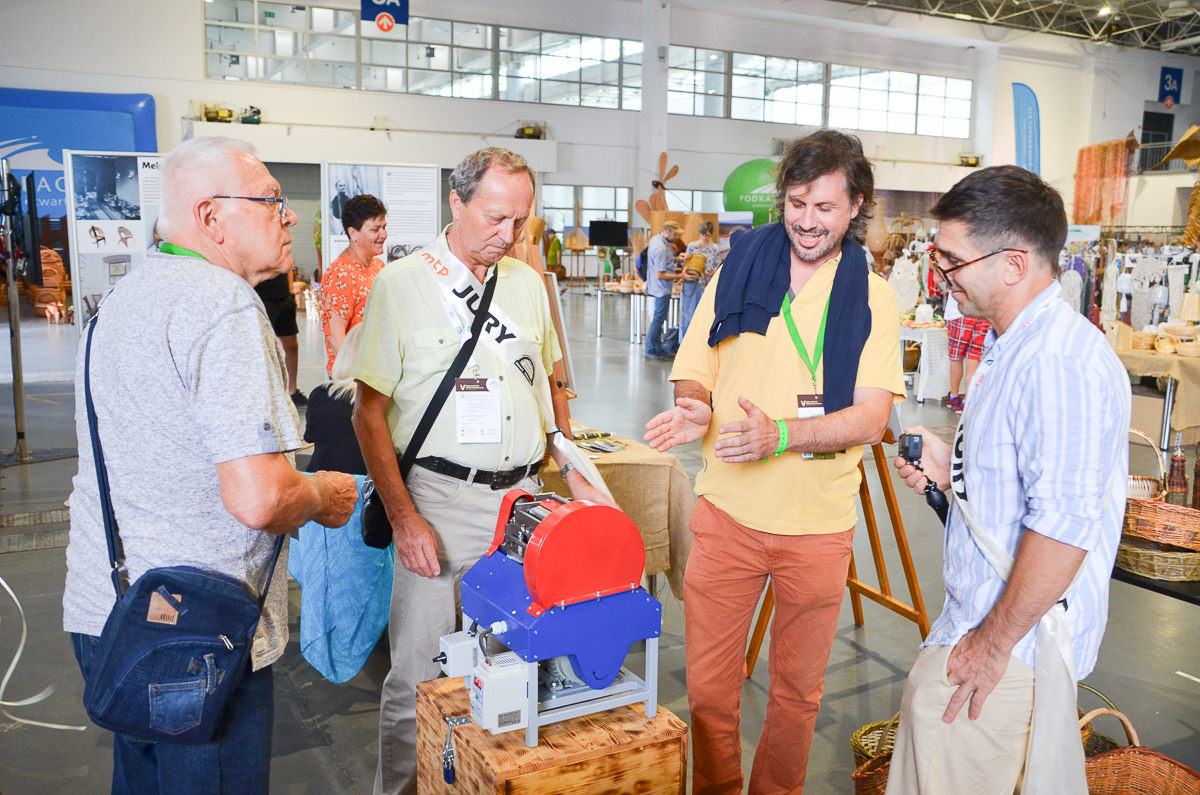
The red and blue machines in the center of the photo are tools used to prepare weaving strips. For basket makers, preparing the material before weaving is often said to be the most important part of the work. It is a shared wish among makers to improve precision, efficiency, and speed as much as possible in this process. In this scene, even members of the jury—who are themselves basket makers and served as judges at this year’s festival—are eagerly asking questions about the machine.
Next, we visited the basket sales booth from Lithuania, a country that borders Poland to the north.
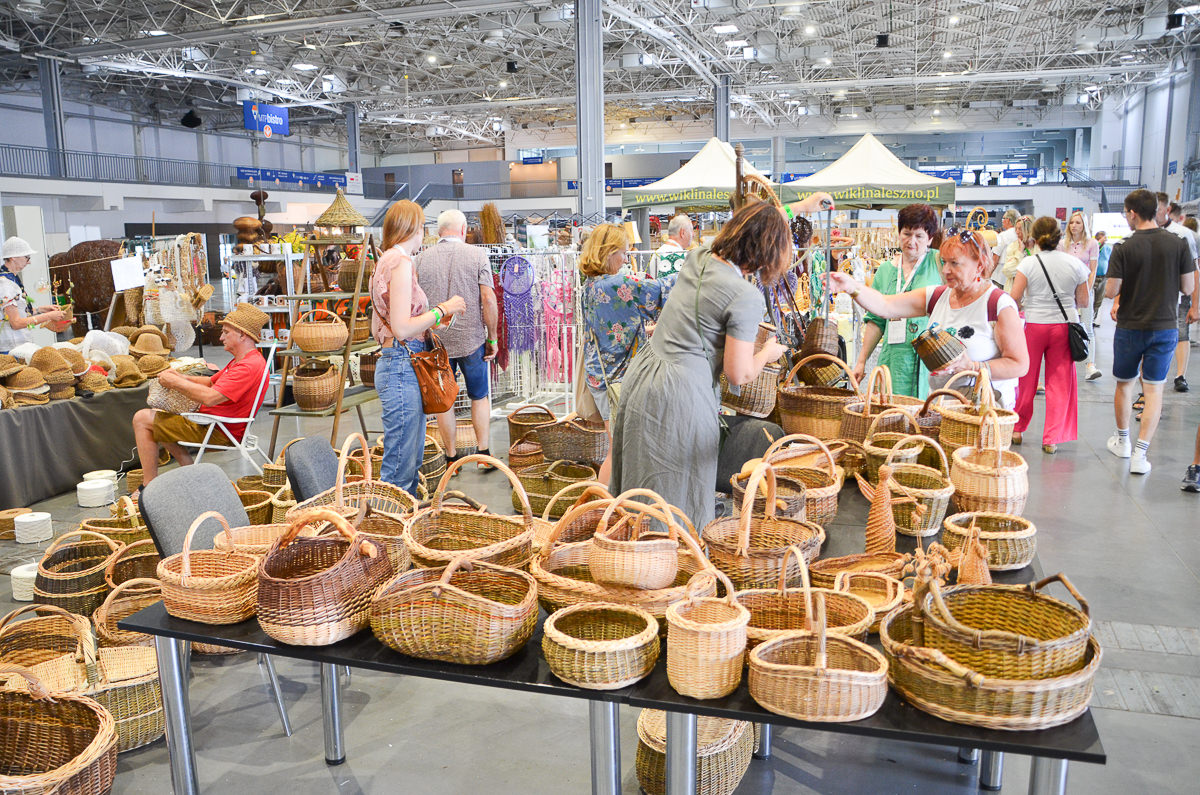
This is the sales booth from Lithuania. A wide variety of baskets were on display, and the booth was constantly lively, with a steady stream of visitors throughout the day. 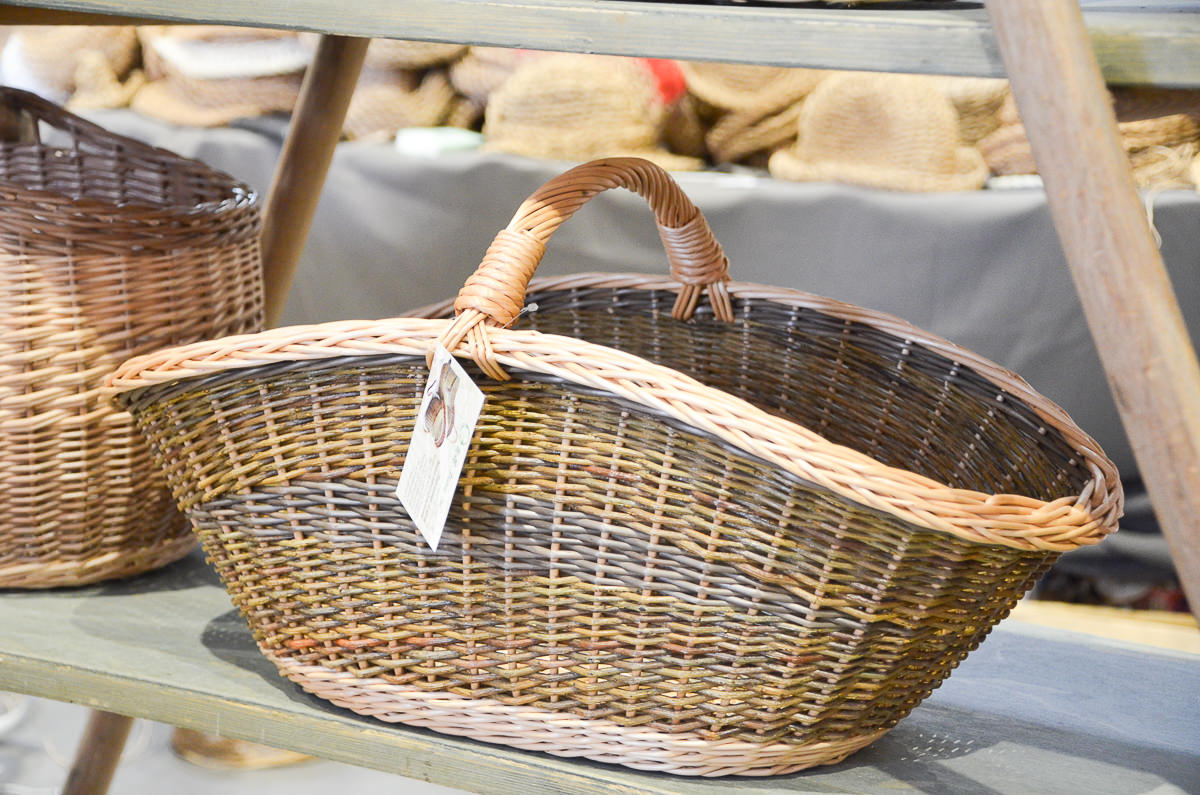
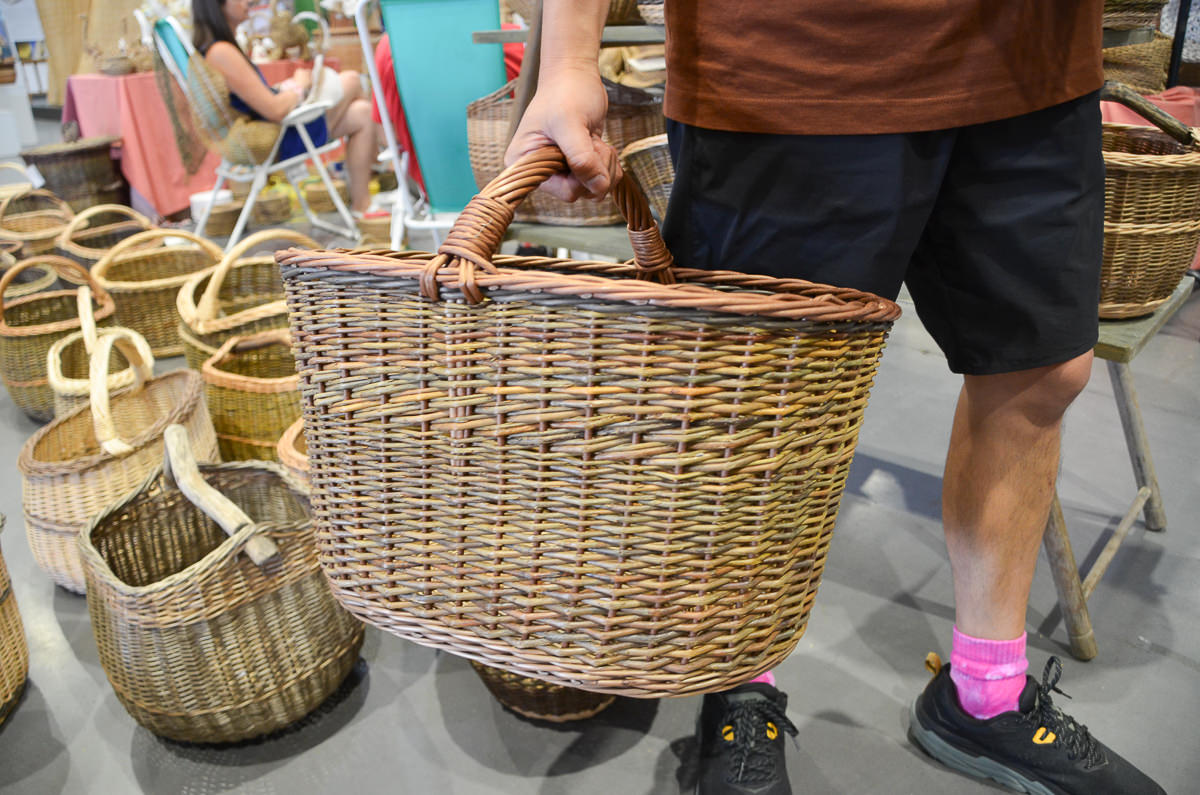
The couple running the sales booth were also participants in the competition, and they seemed extremely busy throughout the day. 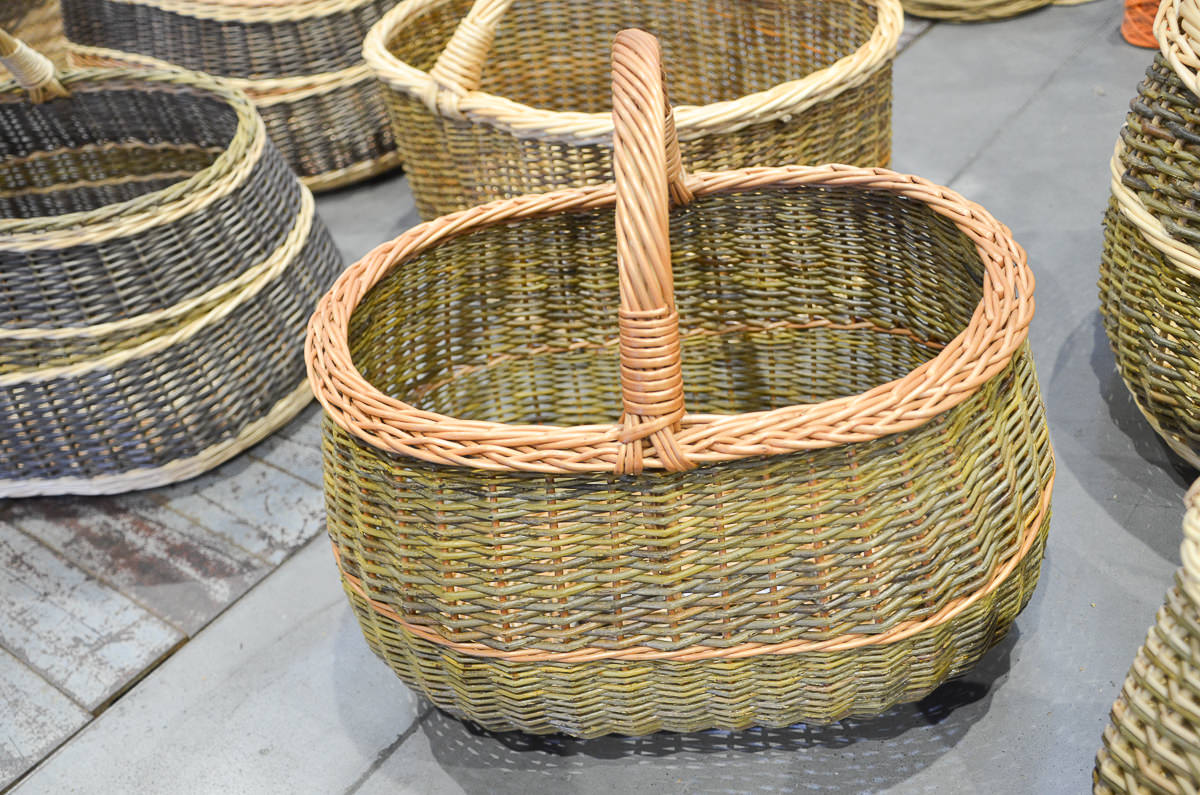
It seems that this workshop also works with several other craftspeople, and they had a large number of baskets on hand. The workmanship felt honest and solid, leaving a very good impression. 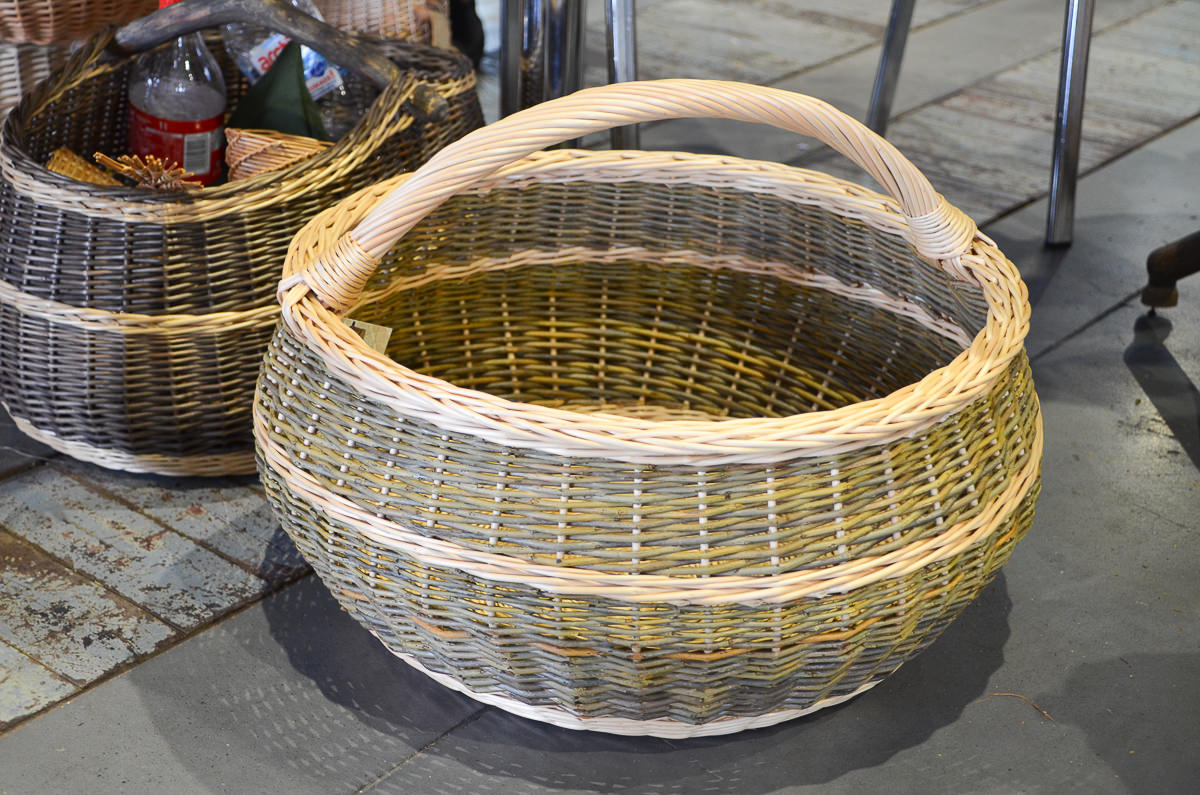
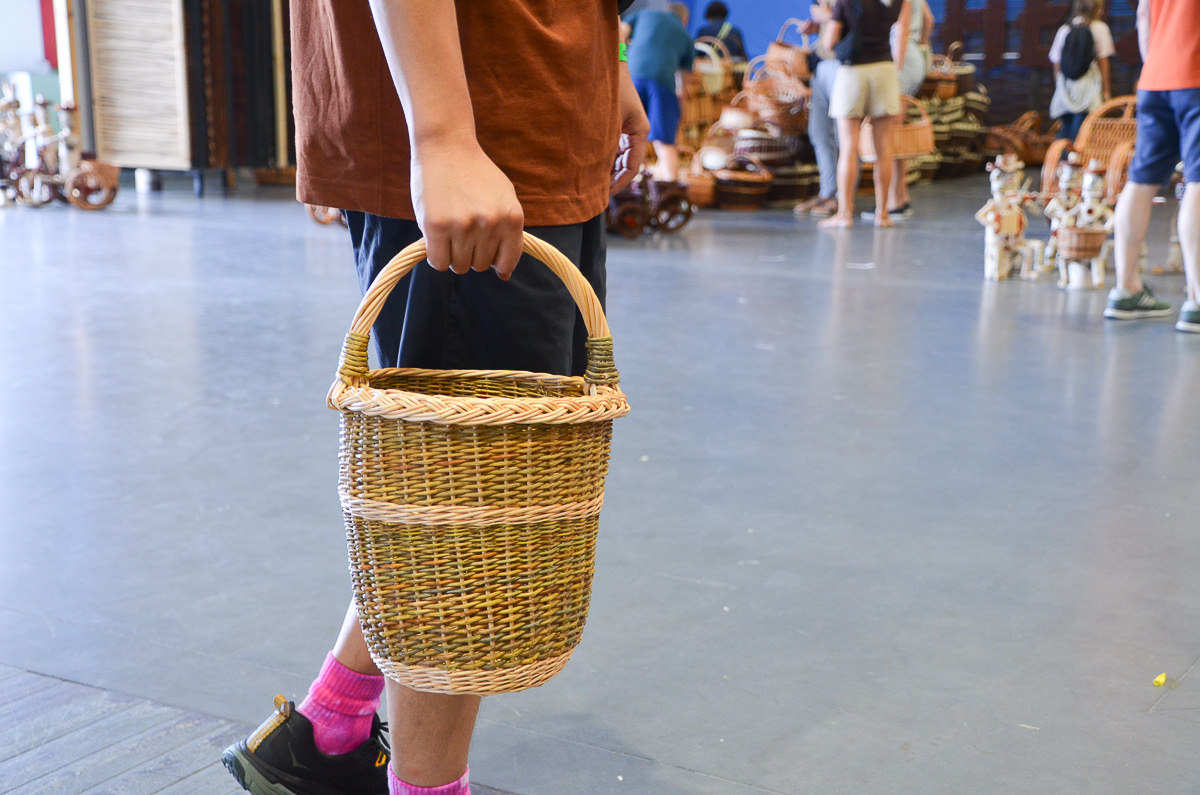
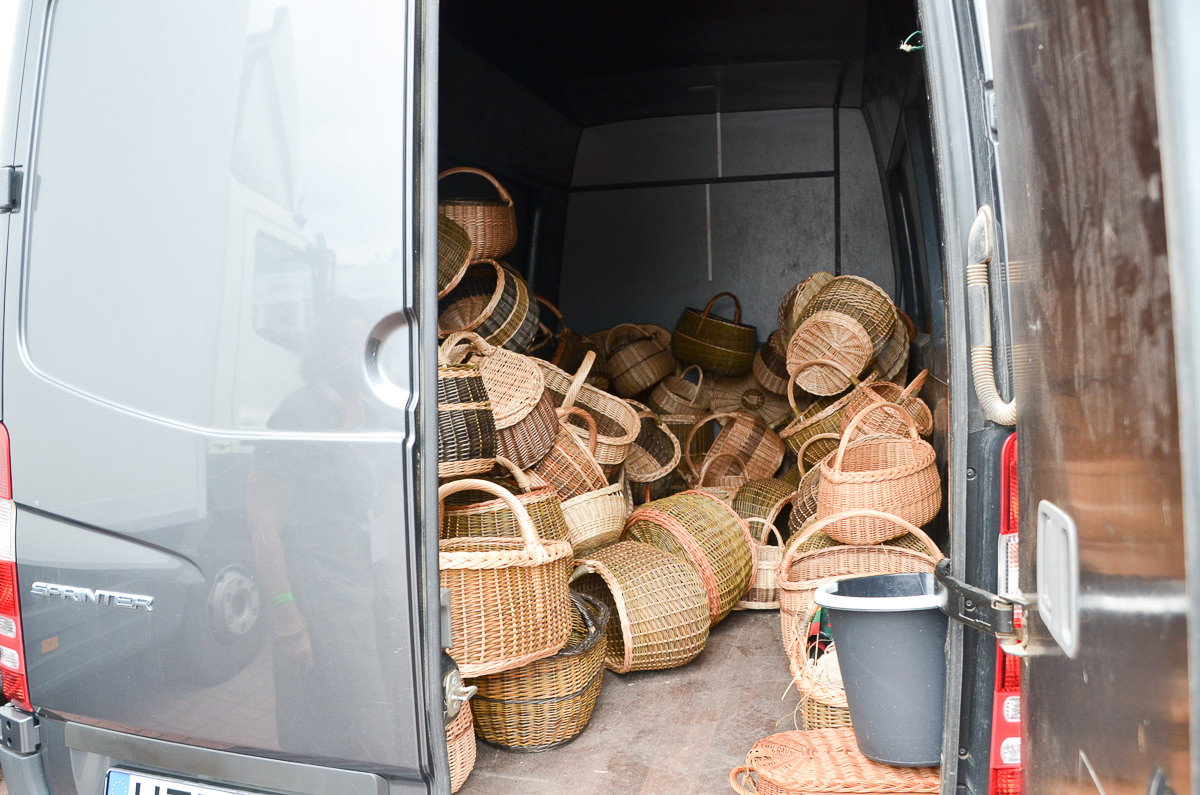
As Mr. Sasaki and I stood there, studying the baskets intently, the craftsperson’s wife smiled and said, “If you’d like to see more, please come this way.” She led us outside the venue to a car parked nearby. Opening the back of an impressively large Mercedes van—so big it almost seemed custom-made—she added, “There are still more here as well, so if you find something you like, you’re welcome to take it.” 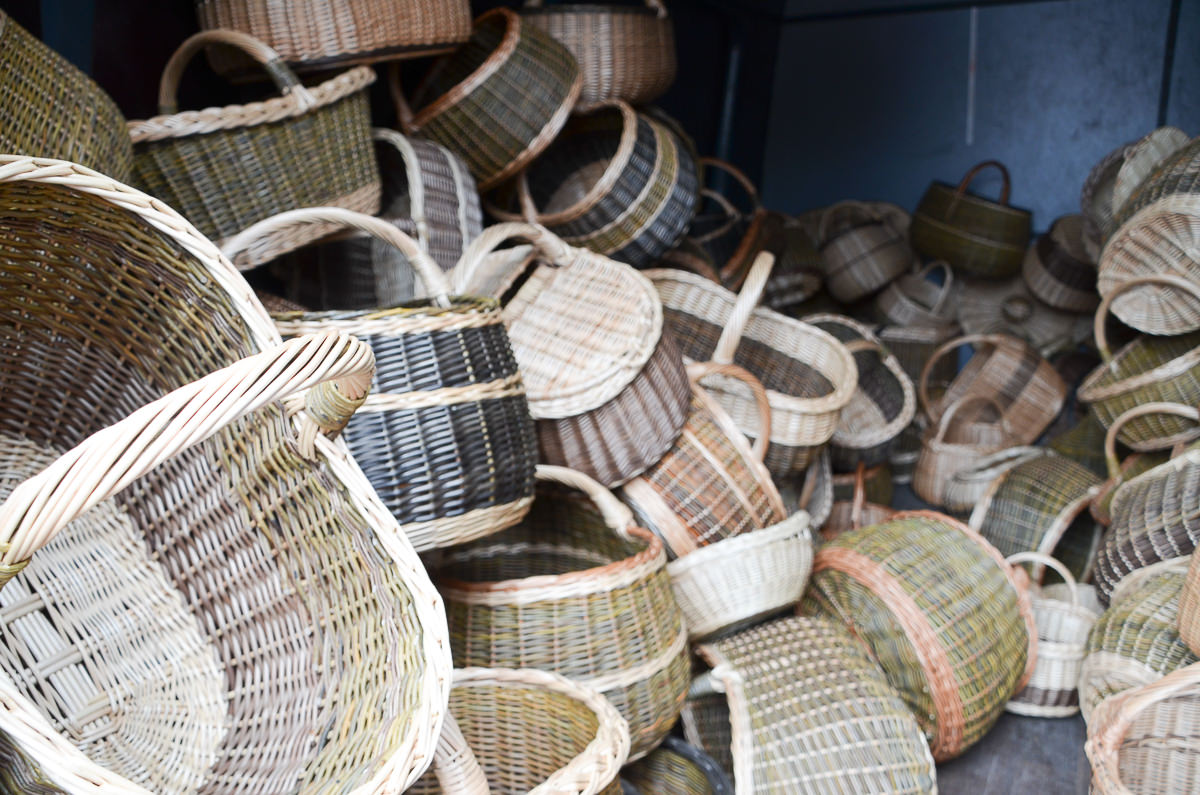
It felt like stepping into a dream—inside the vehicle, countless baskets were waiting quietly for their moment.
Finally, we arrived at the sales booth featuring baskets made locally in Poland.
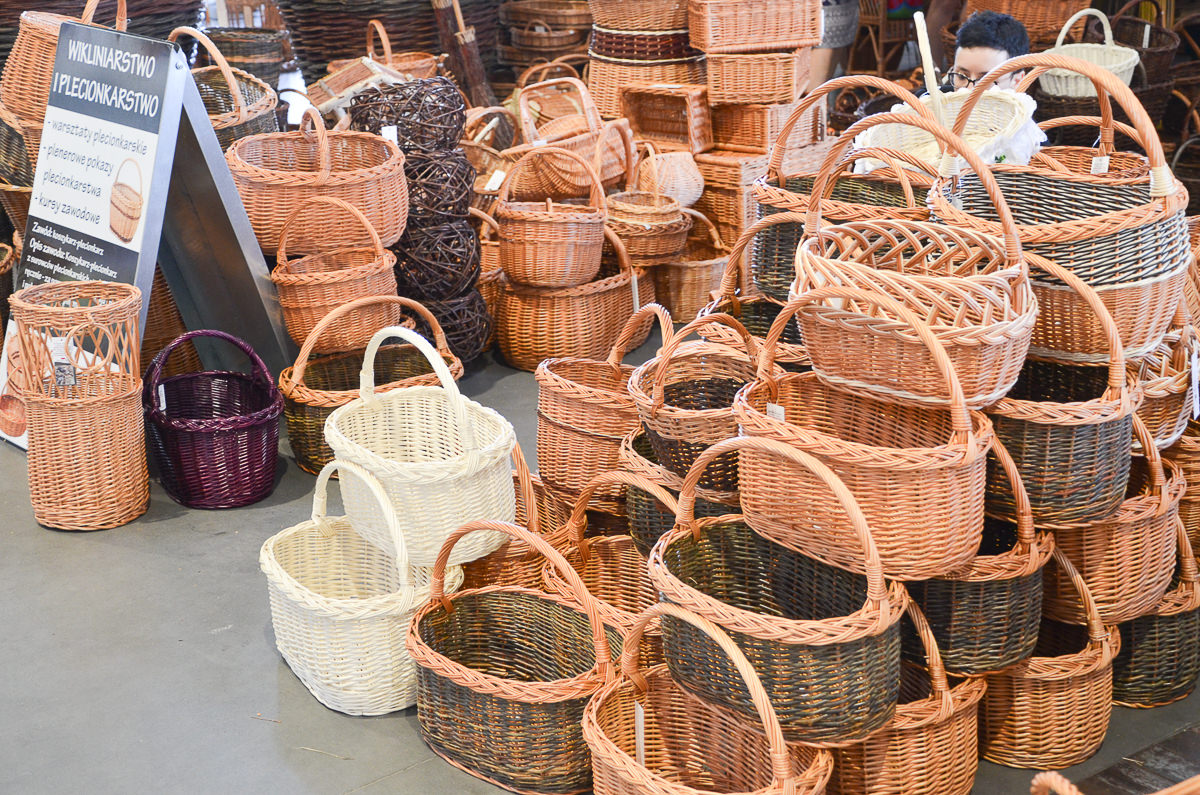
This booth had the largest selection, both in terms of space and the number of baskets on display. 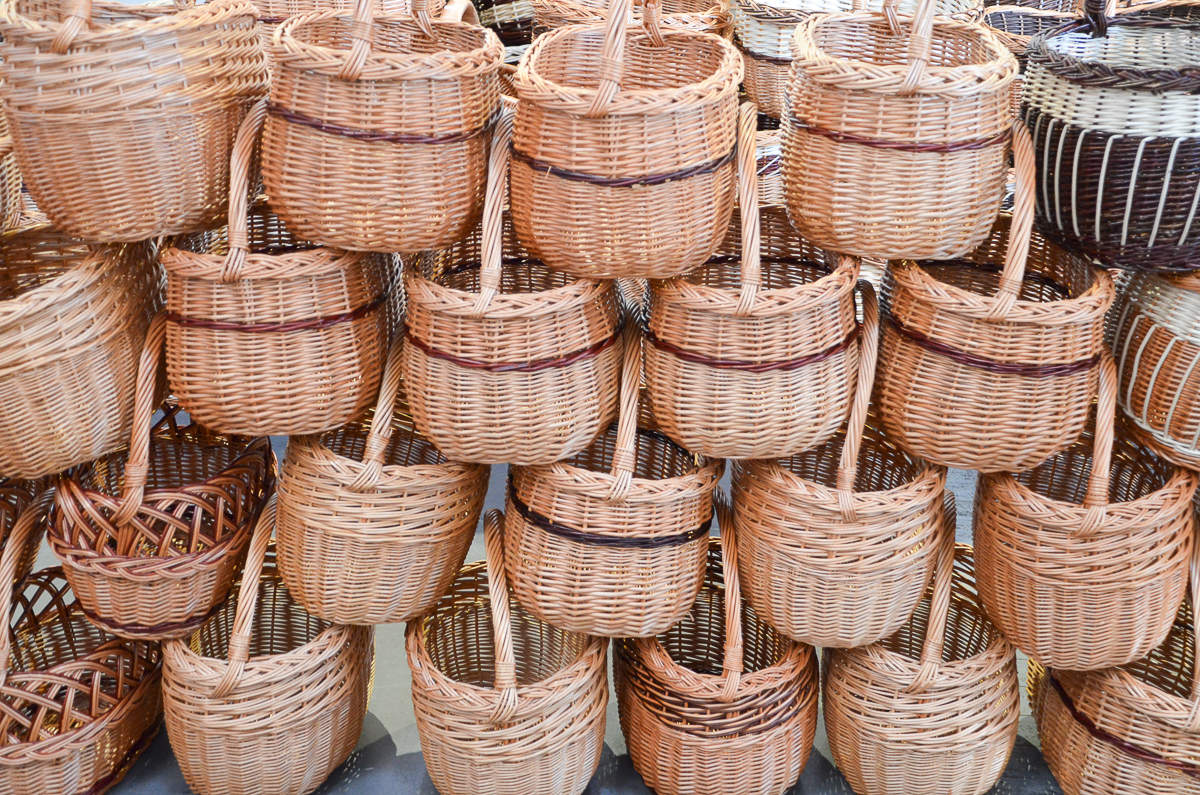
The sheer number of baskets was overwhelming. 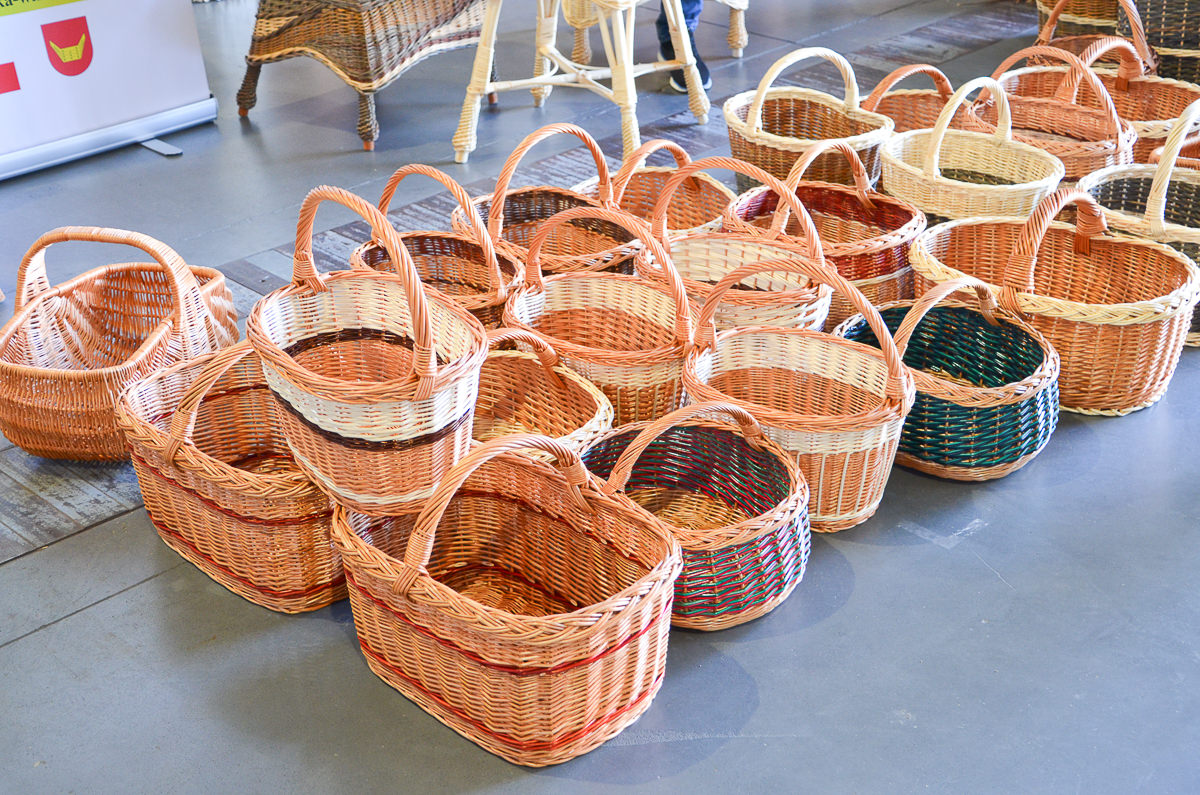
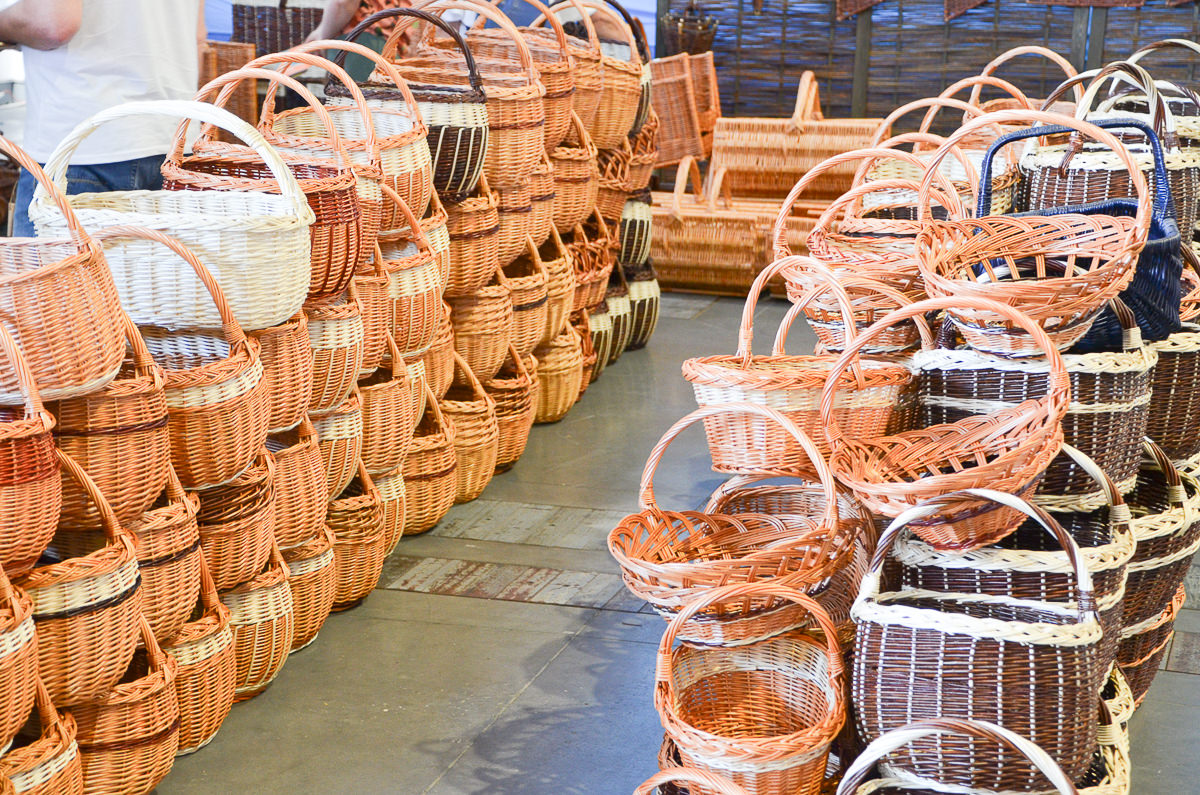
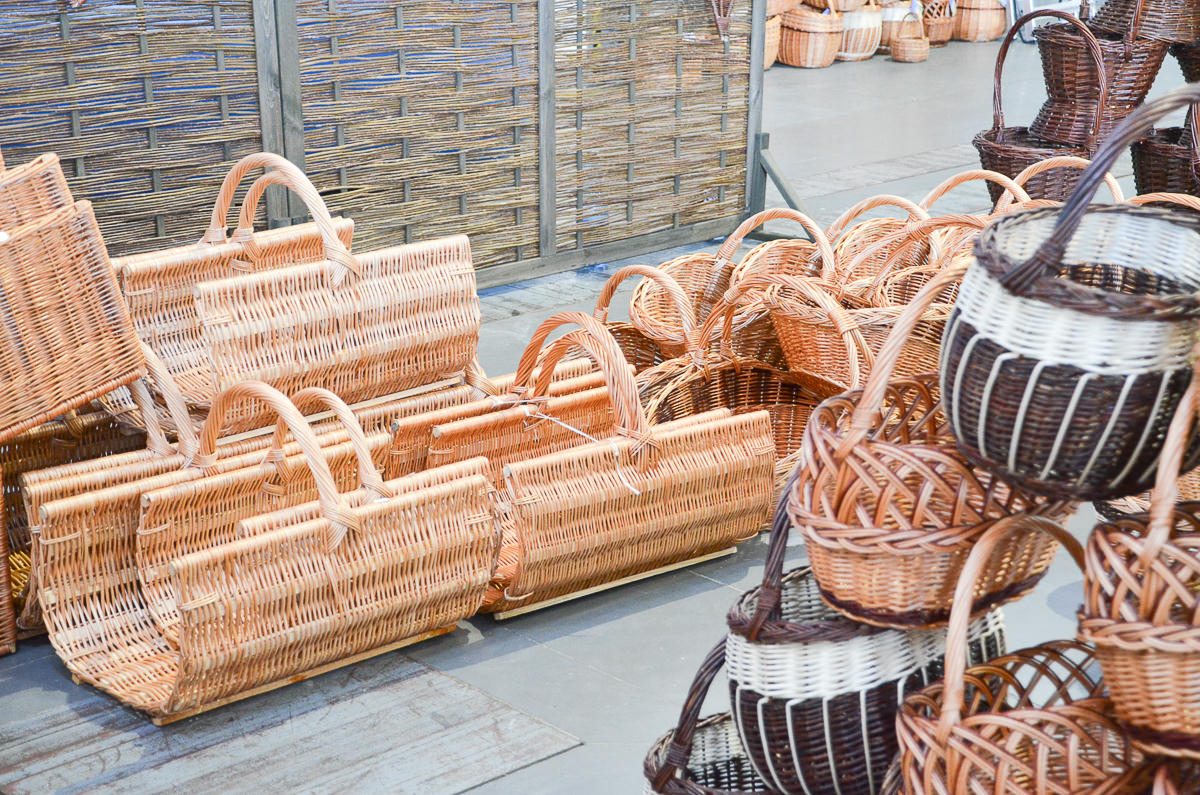
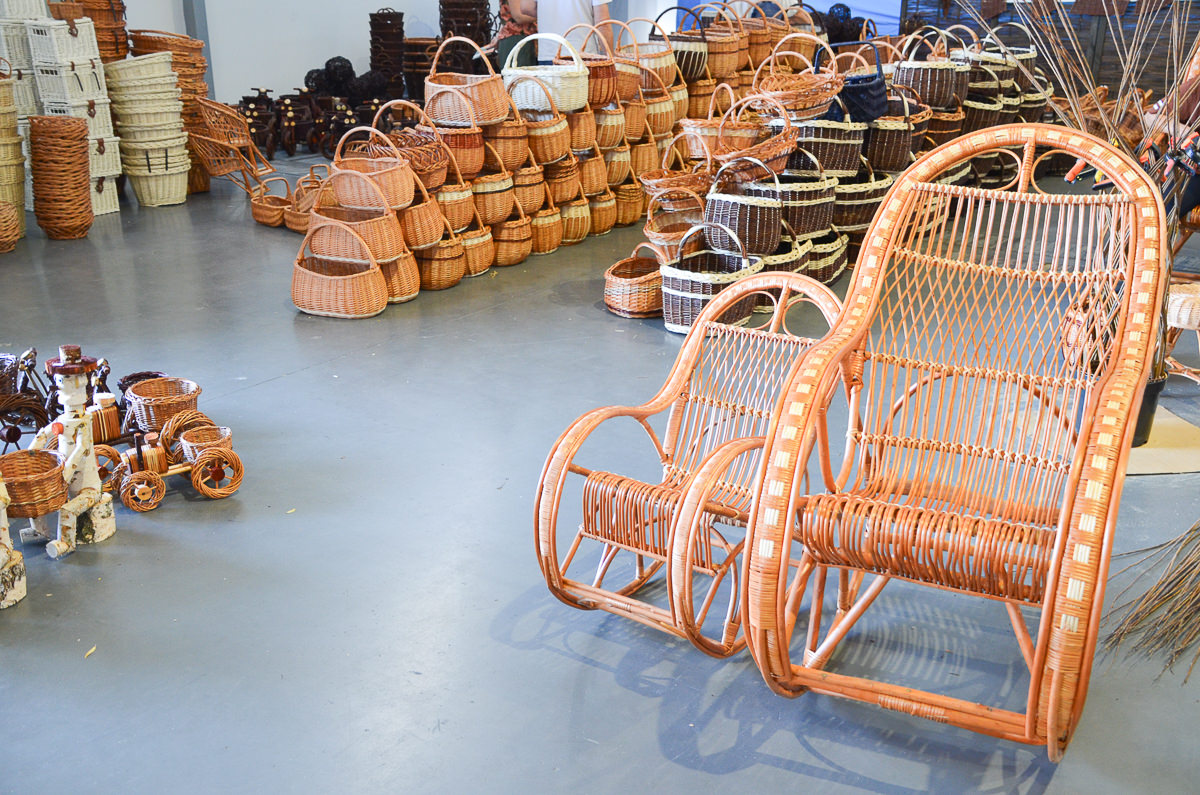
In addition to baskets, many pieces resembling furniture were also on display. 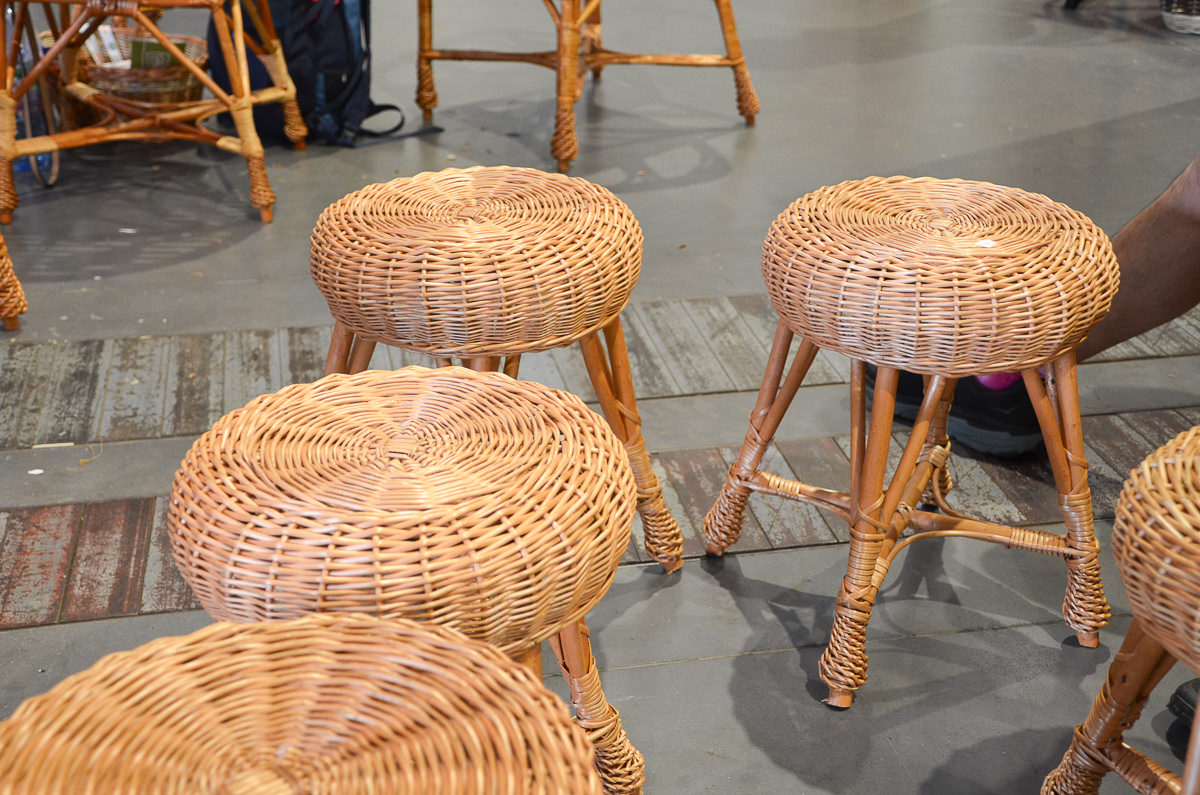
The stools were also very well made. 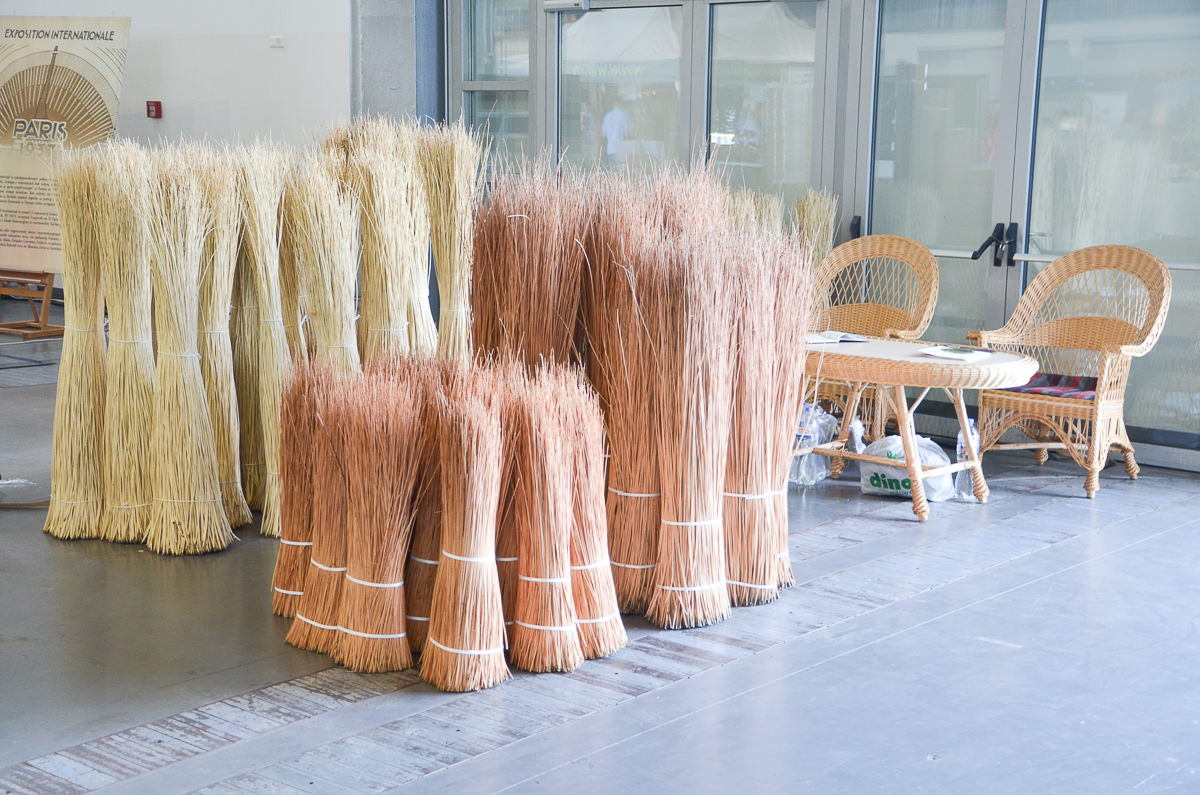
Bundles of willow—the material used for basket making—were also sold in this way. In Japan, it might be comparable to seeing raw bamboo sold alongside finished baskets at a basket fair. This shows that there are people who handle the materials, and also people who buy them—an ecosystem where materials and makers continue to circulate.
With so many exhibitions and booths from different countries, even several days at the festival did not feel like enough time.
Unlike island nations such as Japan, this is a continental setting,
and we could sense the strength and resilience of those who traveled overland from Poland’s neighboring countries.
We celebrated reunions, exchanged updates on recent happenings,
and asked one another questions about baskets and materials.
Whenever possible, we tried to speak with those we could communicate with,
but such enjoyable moments passed by in an instant.
With people we still wanted to talk to, we found ourselves speaking again and again—each time we met at the venue,
or even running into one another unexpectedly by the restrooms.
Because none of us are native English speakers,
there was a certain advantage in keeping conversations simple and focused on what truly mattered.
And perhaps most importantly, as fellow craftspeople,
we could often understand one another through expressions and gestures, even without words.
The challenges we face—securing good materials, improving production efficiency,
declining value of baskets, lack of successors, shortage of sellers,
and the loss of techniques—are largely the same all over the world.
From what we heard, it seemed that many countries are dealing with realities even harsher than those in Japan.
Even for a small shop like ours, it feels as though there is still much we can do—and much we should be doing.
We hope to gradually introduce baskets from Slovakia and Lithuania in our shop in the future.
Building good relationships will take time in each case,
but we hope you will wait patiently and enjoy seeing how these connections grow.
Tomotake Ichikawa
+++++++++++++++++++
To be continued