
Access Denied
IMPORTANT! If you’re a store owner, please make sure you have Customer accounts enabled in your Store Admin, as you have customer based locks set up with EasyLockdown app. Enable Customer Accounts
1
/
of
12
Utility Basket “Goyōkago” / Madake Bamboo / Niigata-JPN 220901
Utility Basket “Goyōkago” / Madake Bamboo / Niigata-JPN 220901
Regular price
¥33,000 JPY
Regular price
Discount price
¥33,000 JPY
Unit price
/
per
Tax included.
Shipping calculated at checkout.
No reviews
Couldn't load pickup availability
- Size / Weight
- 【 inches / oz 】
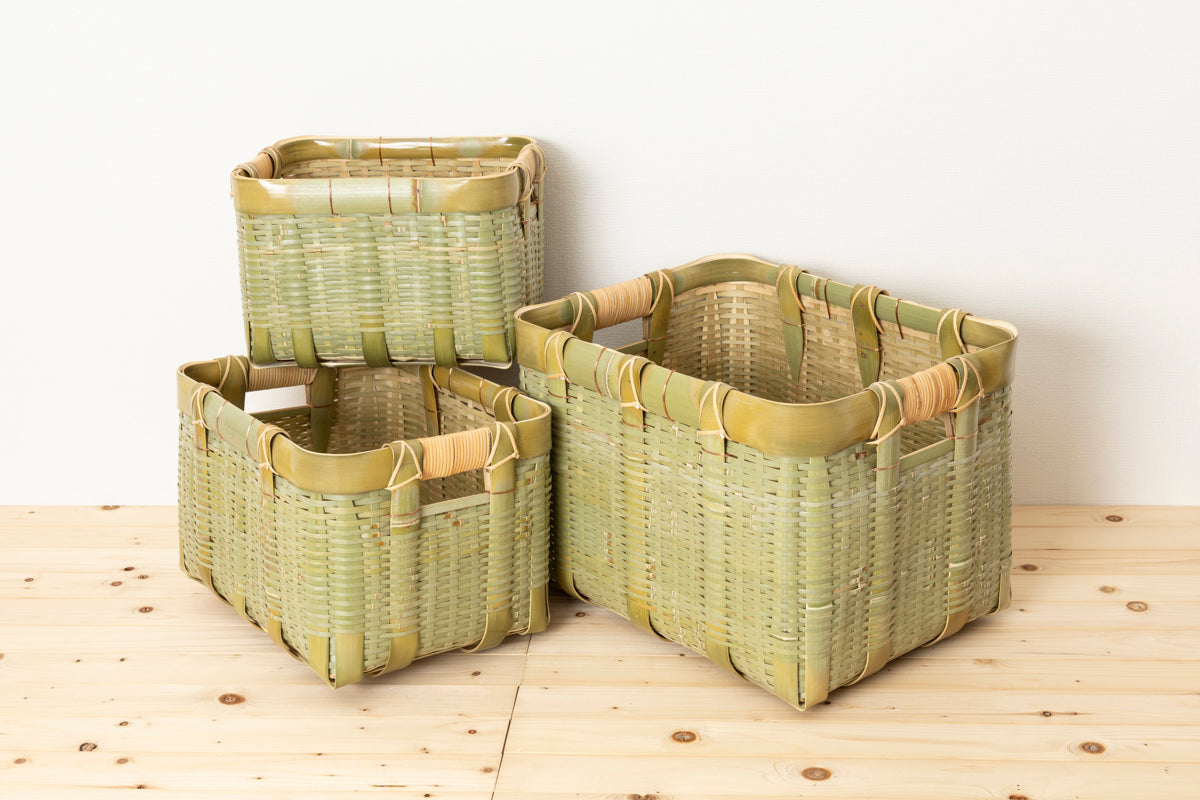
Small: Approx. W 14.57″ × D 11.42″ × H 9.84″ / 46.21 oz
Medium: Approx. W 17.72″ × D 13.78″ × H 12.20″ / 64.90 oz
Large: Approx. W 20.87″ × D 16.54″ × H 14.96″ / 96.65 oz
—
【 cm / g 】
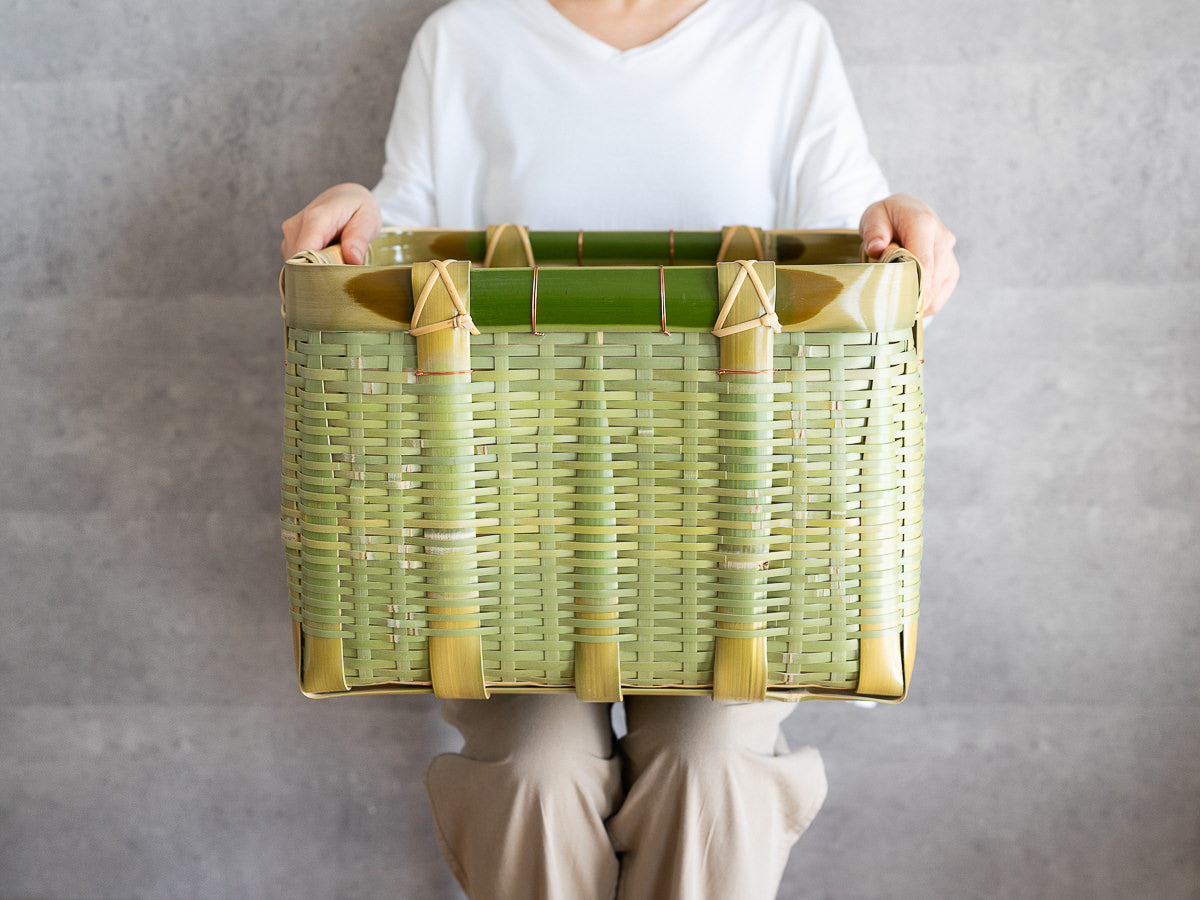
Small: Approx. 37 × 29 × H 25 cm / 1310 g
Medium: Approx. 45 × 35 × H 31 cm / 1840 g
Large: Approx. 53 × 42 × H 38 cm / 2740 g
-
Note
The sizes shown above are the middle of the total quantity of items we receive, and are only a rough estimate.
Also, external dimensions are provided.
Some of them may be 2-3 cm (1inch) larger or smaller than the sizes indicated because they are handmade using natural materials.
If you have a specific place in mind where you would like to store the item, please order it with enough space to spare.
Also, the shape, texture, and color of each item will vary.
Please be aware of this before ordering. -
Caution
Please be careful not to damage your body or clothing with sprinters.
For all materials, please store in a well-ventilated place and avoid storing in cupboards, etc. as much as possible.
When storing, it is best to avoid direct sunlight and to place them in an elevated place where moisture does not accumulate.
If the product gets wet from rain or water, wipe it off with a dry cloth and dry it well in the shade or indoors in a well-ventilated location.
Regular brushing with a scrubber or brush is recommended to prevent dust accumulation.
-
Shipping
We deliver products worldwide. Shipping costs are automatically calculated according to your location and what you order.
We will ship with care and attention.You can see shipping policy here
-
How to care
These products are made from all-natural materials and if taken good care of they will last for dozens of years. Products made of natural materials also change beautifully over time.
Check "How to care" page here
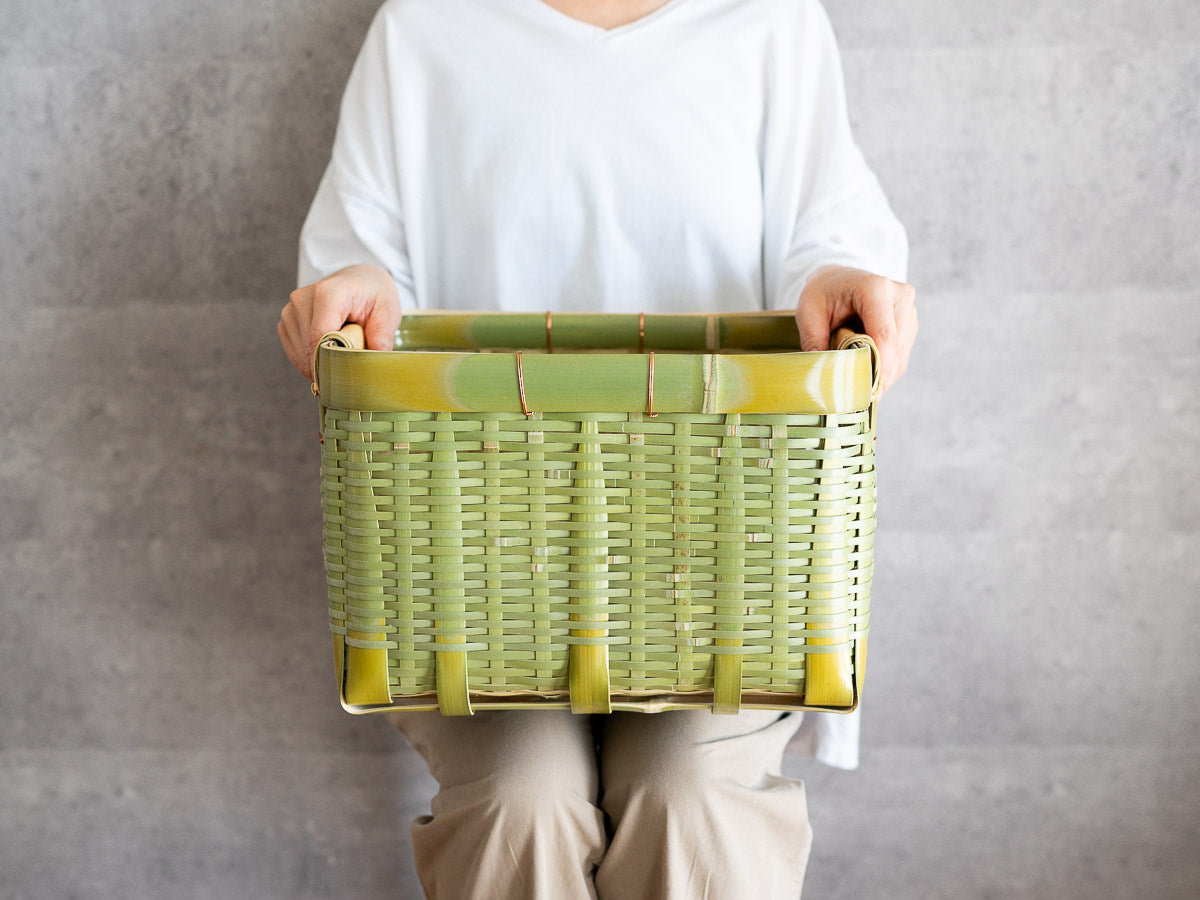
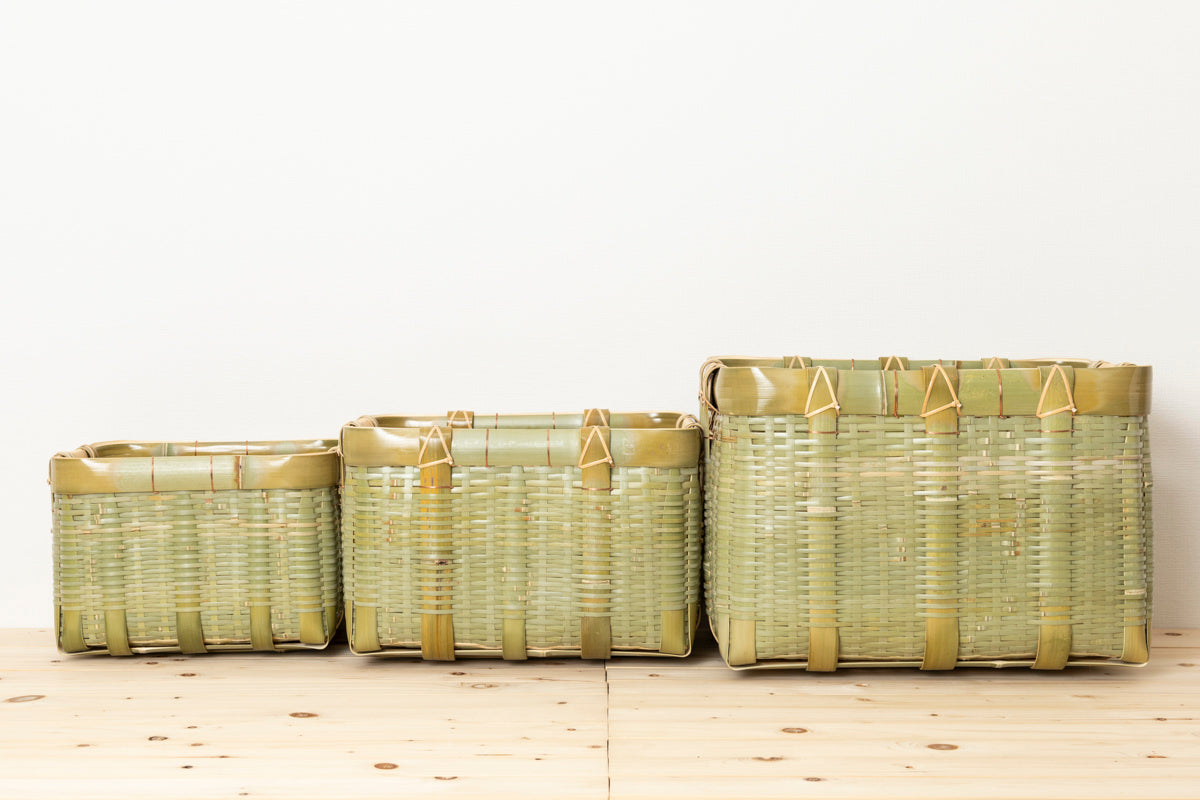
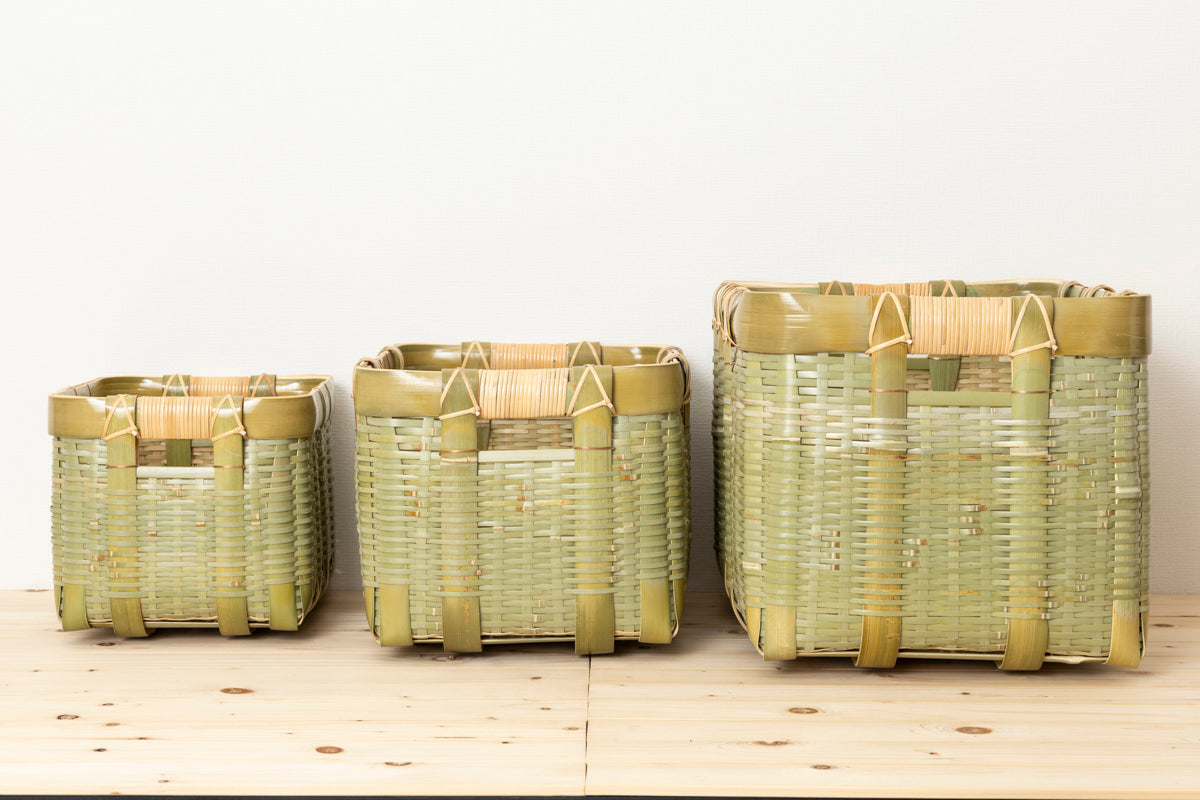
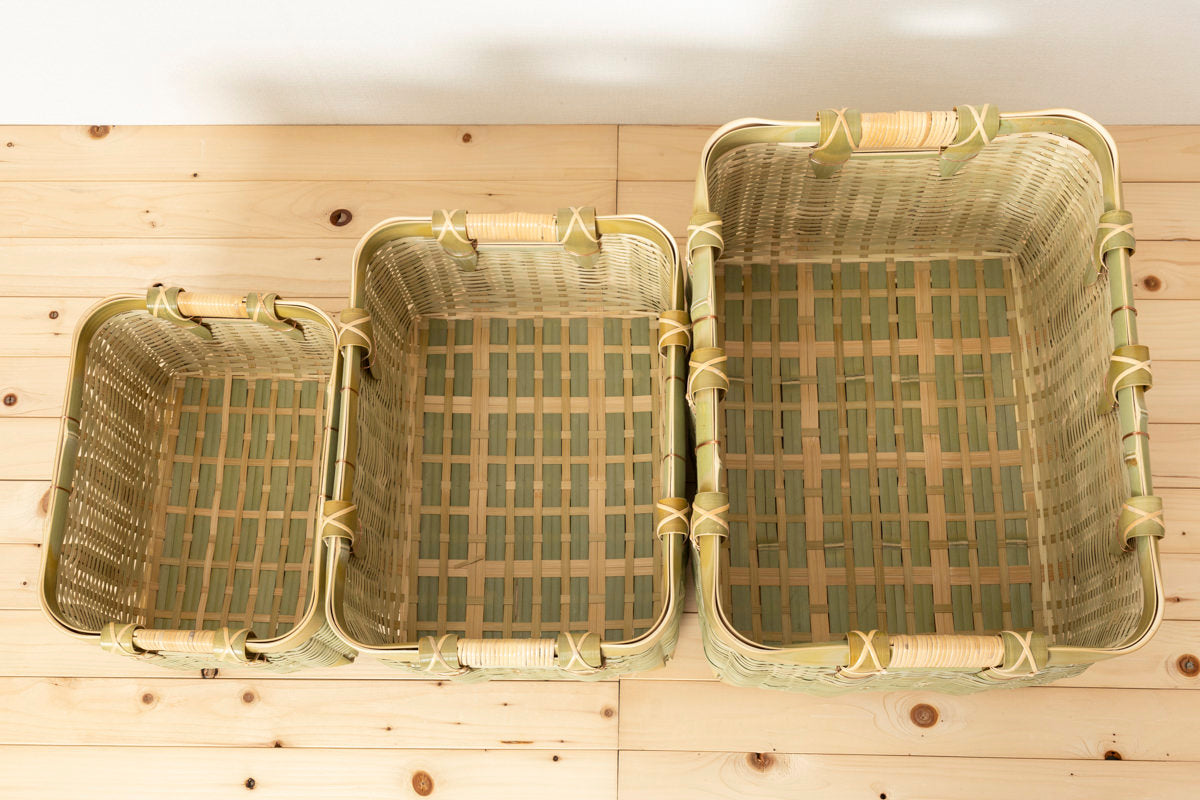
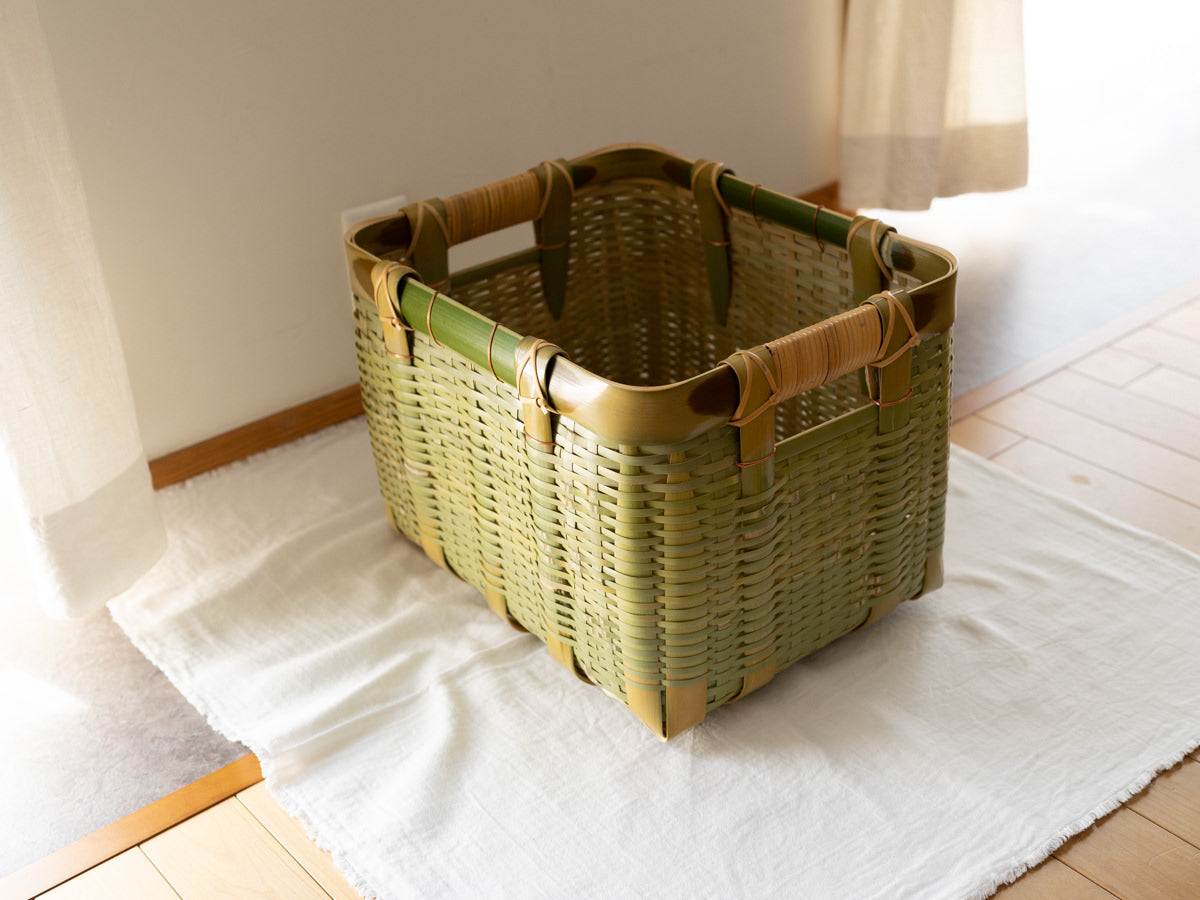
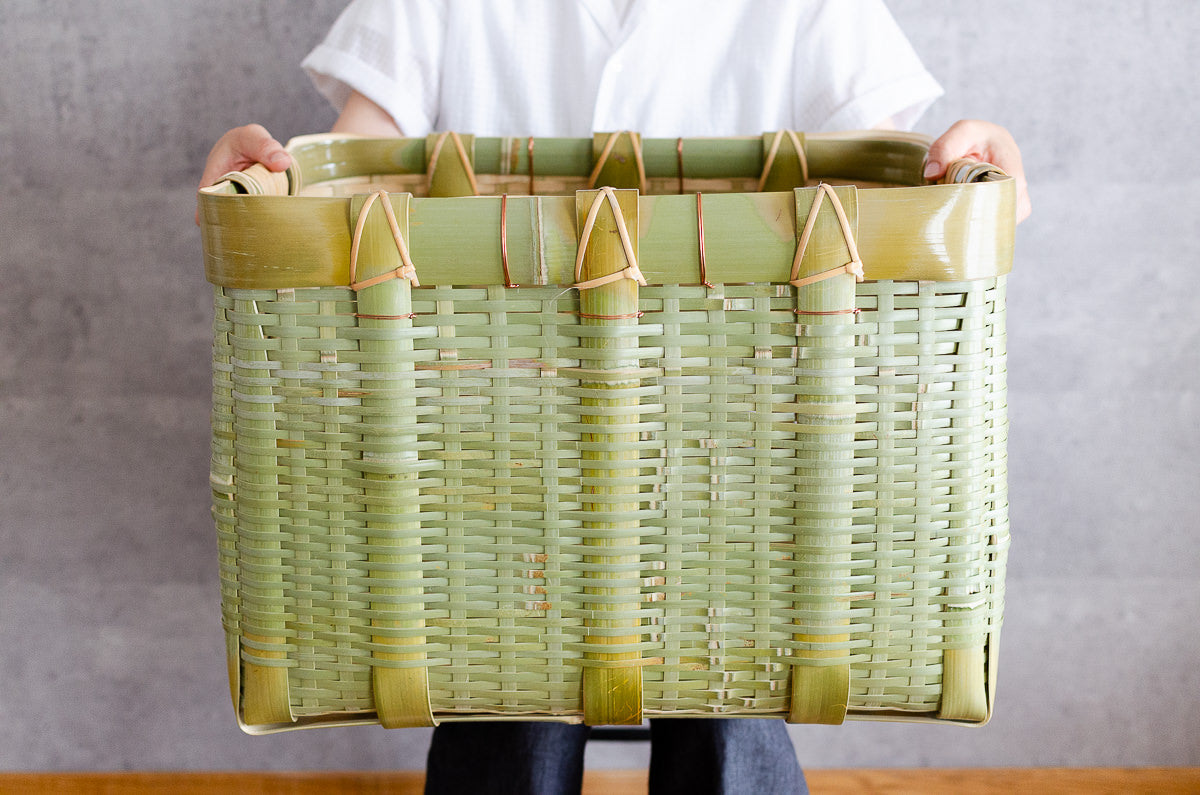
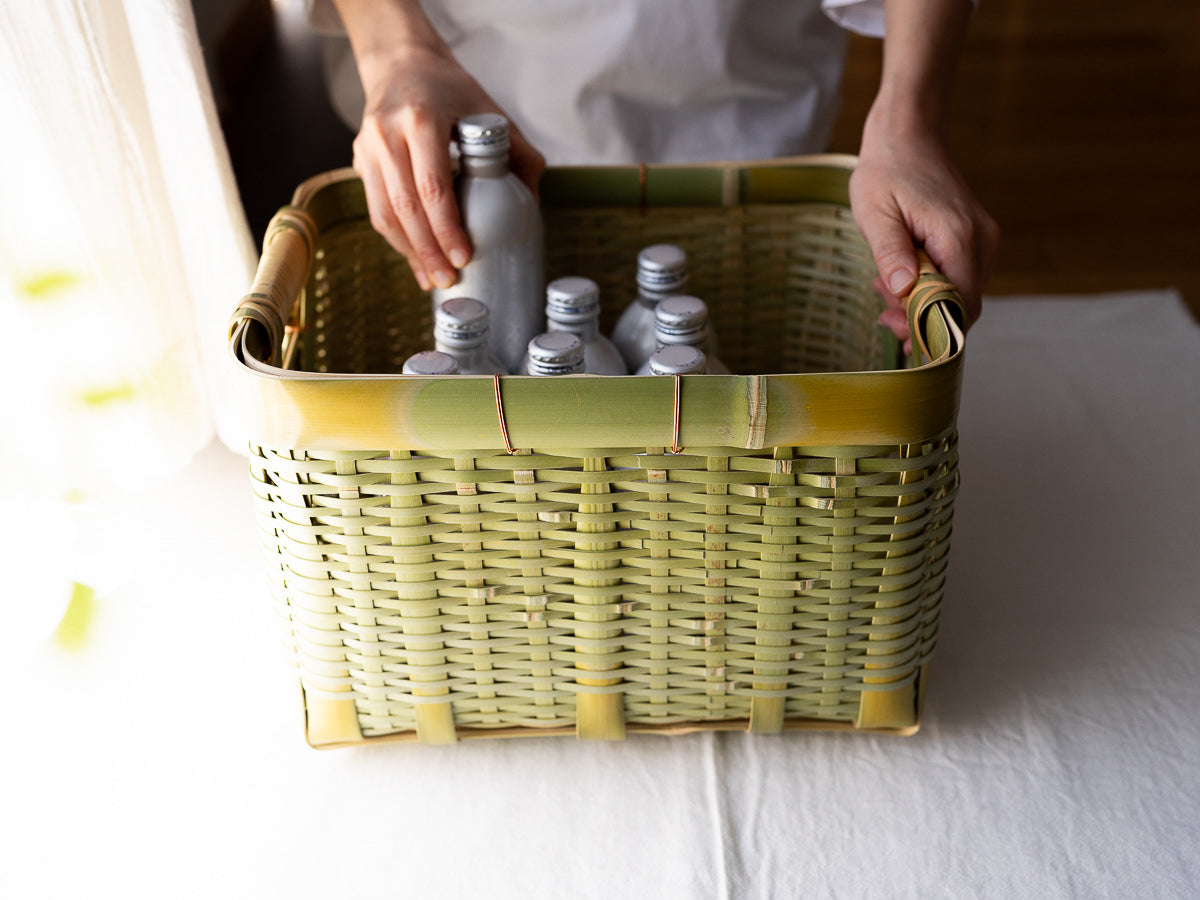
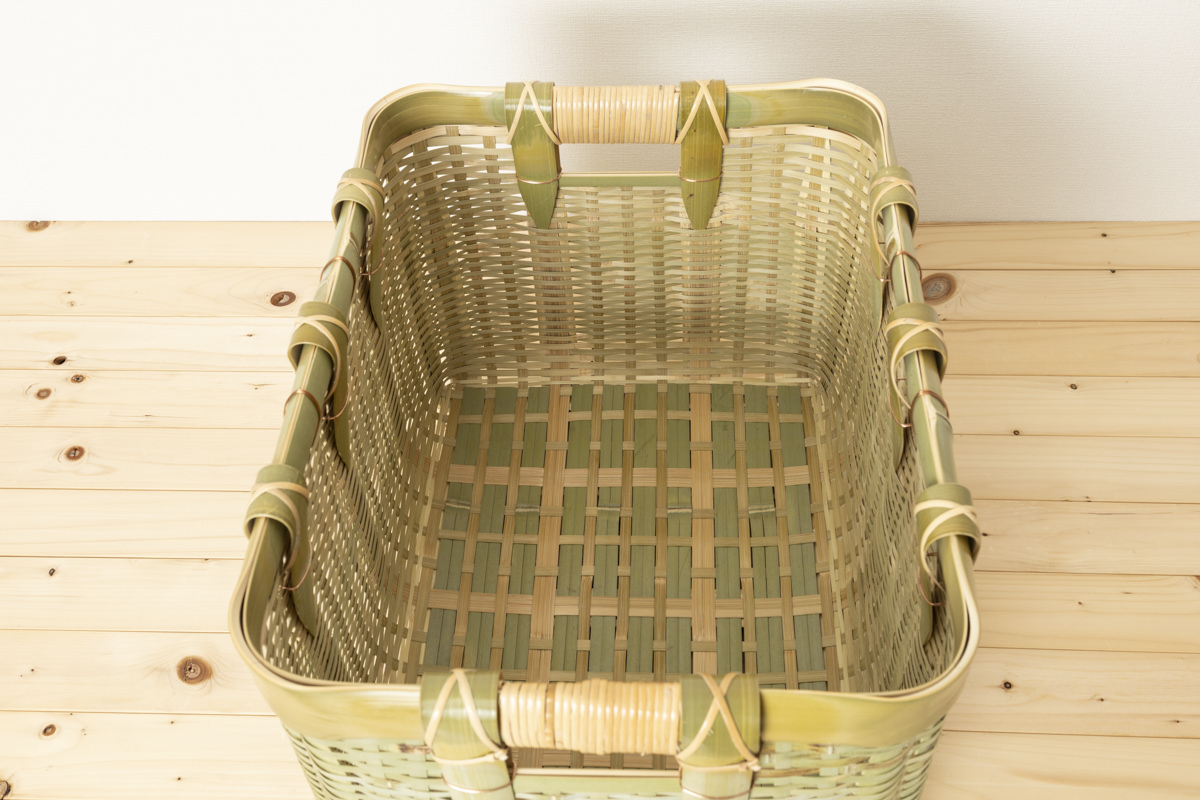
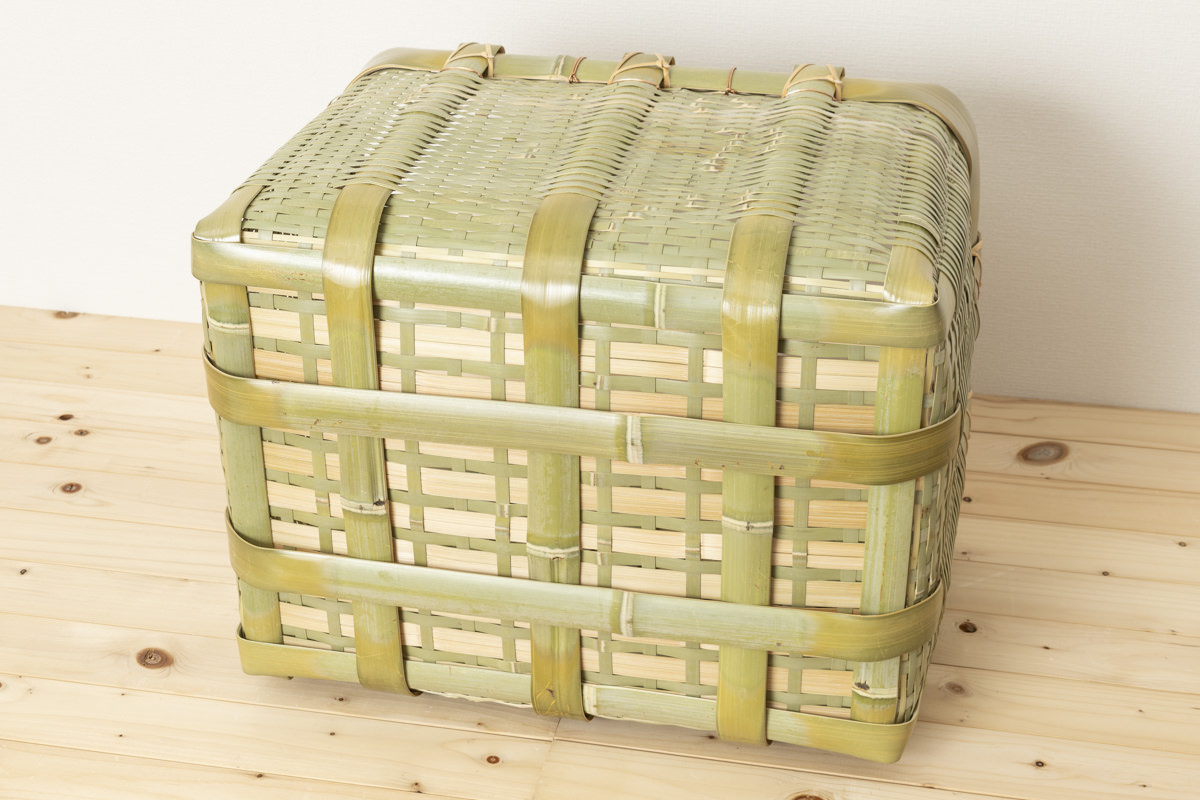
This is a sturdy, rectangular basket with handles.
It is a type of bamboo basket called “Goyōkago,”
which was widely used across Japan during the mid-Meiji period.
These baskets were known as delivery baskets, bicycle baskets, or, in larger sizes, laundry shop baskets.
They were used to carry goods for delivery,
loaded onto the rear racks of bicycles, motorcycles, or handcarts.
In the mid-Meiji era, when bicycles with rubber tires and rear carriers became common in Japan, these baskets spread alongside them and were used throughout the country.
At the time, they were used not only by shops but also by traveling merchants and farmers for carrying harvests.
Today, with the rise of plastic baskets and automobiles, bamboo “Goyōkago” have nearly disappeared from everyday life.
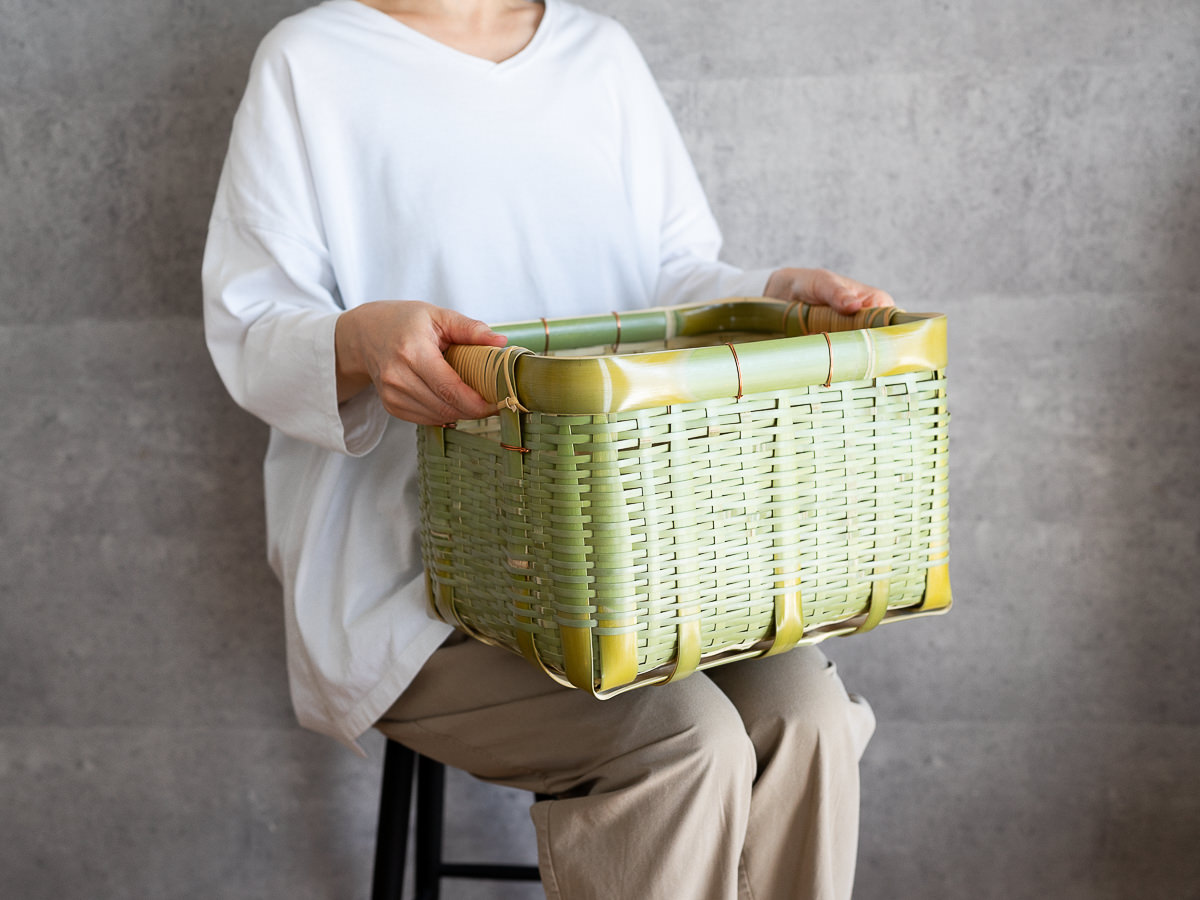
This piece is made by a craftsman who first studied the basics of basketry in Kanagawa, and later continued his practice independently in western Tokyo.
He told us that when he first saw a Goyōkago, he was deeply struck by its form and fell in love with it.
His passion was so strong that he decided to become a bamboo craftsman just to make this basket.
He has since relocated from Tokyo to Sado Island in Niigata, where he harvests his own bamboo and makes each basket entirely by hand.
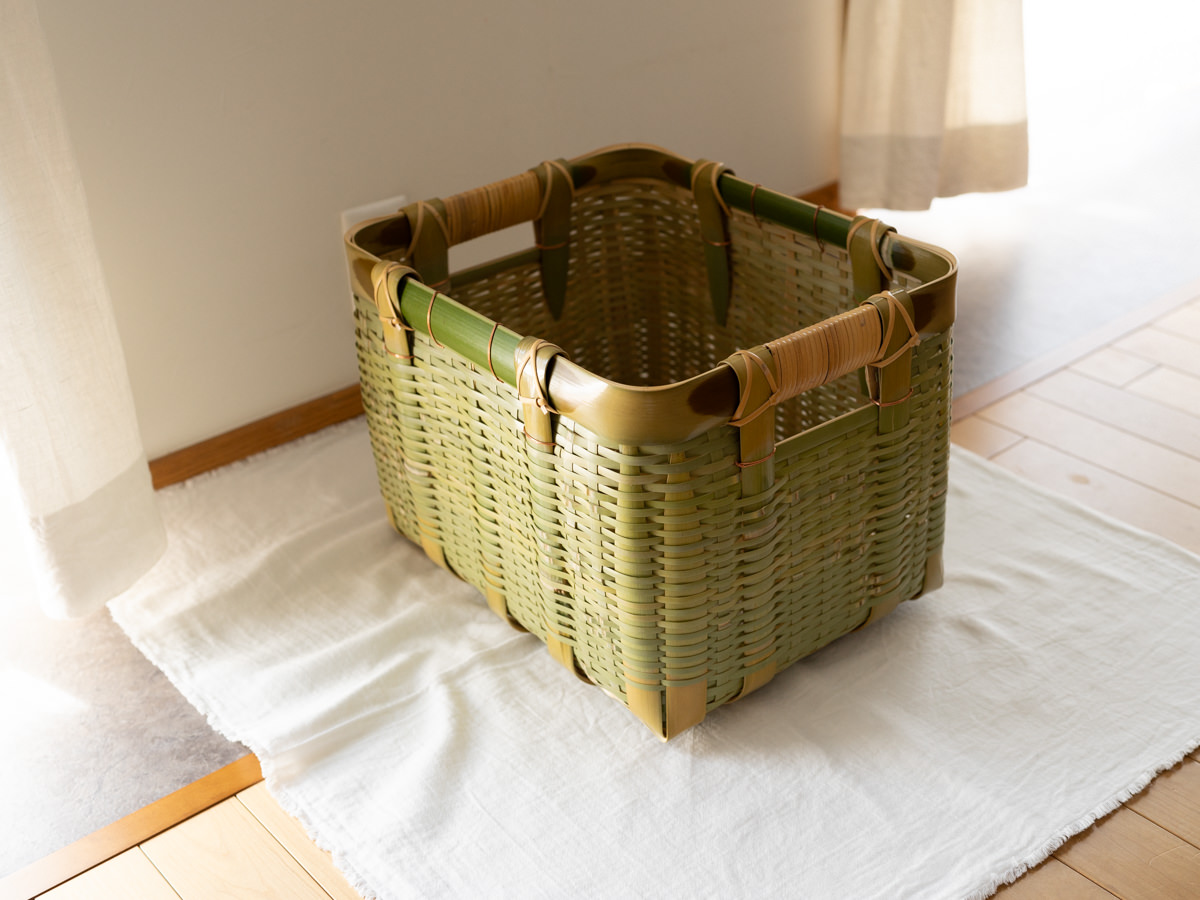
A basket like this, with a rectangular shape, is also known as a “Kakukago,” meaning cornered or square basket.
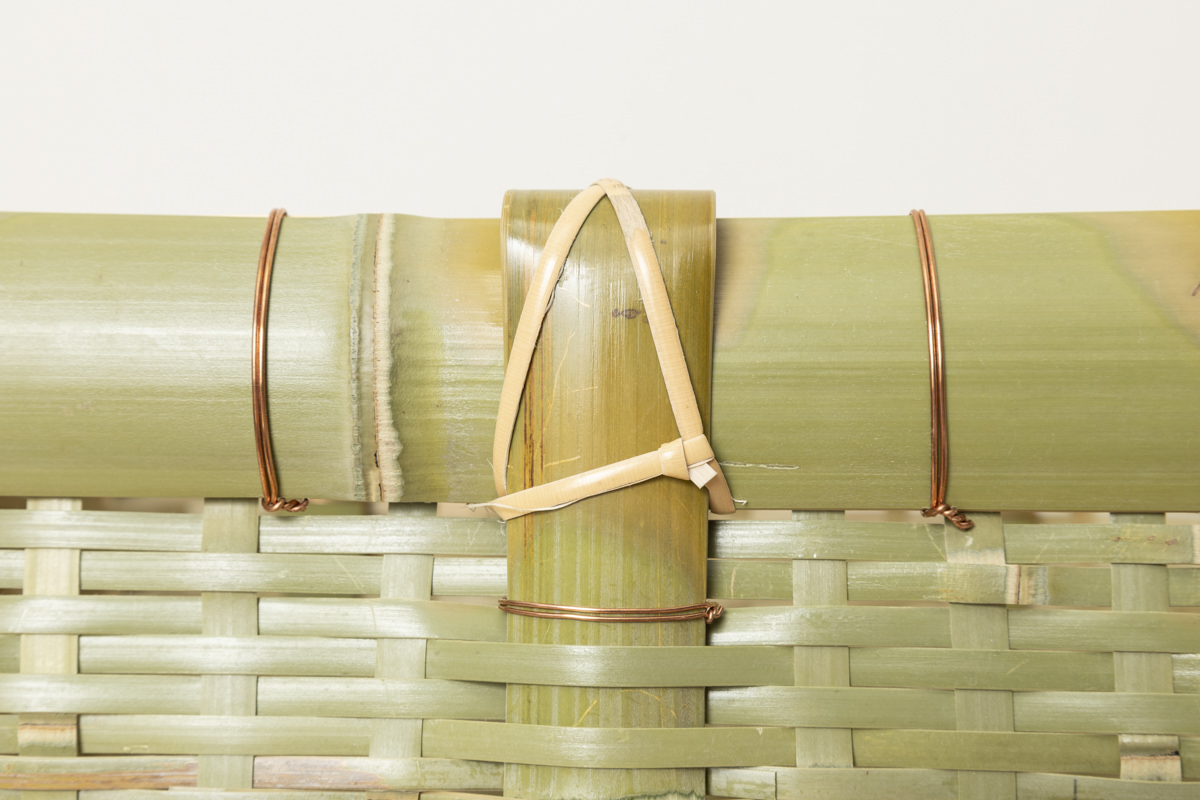
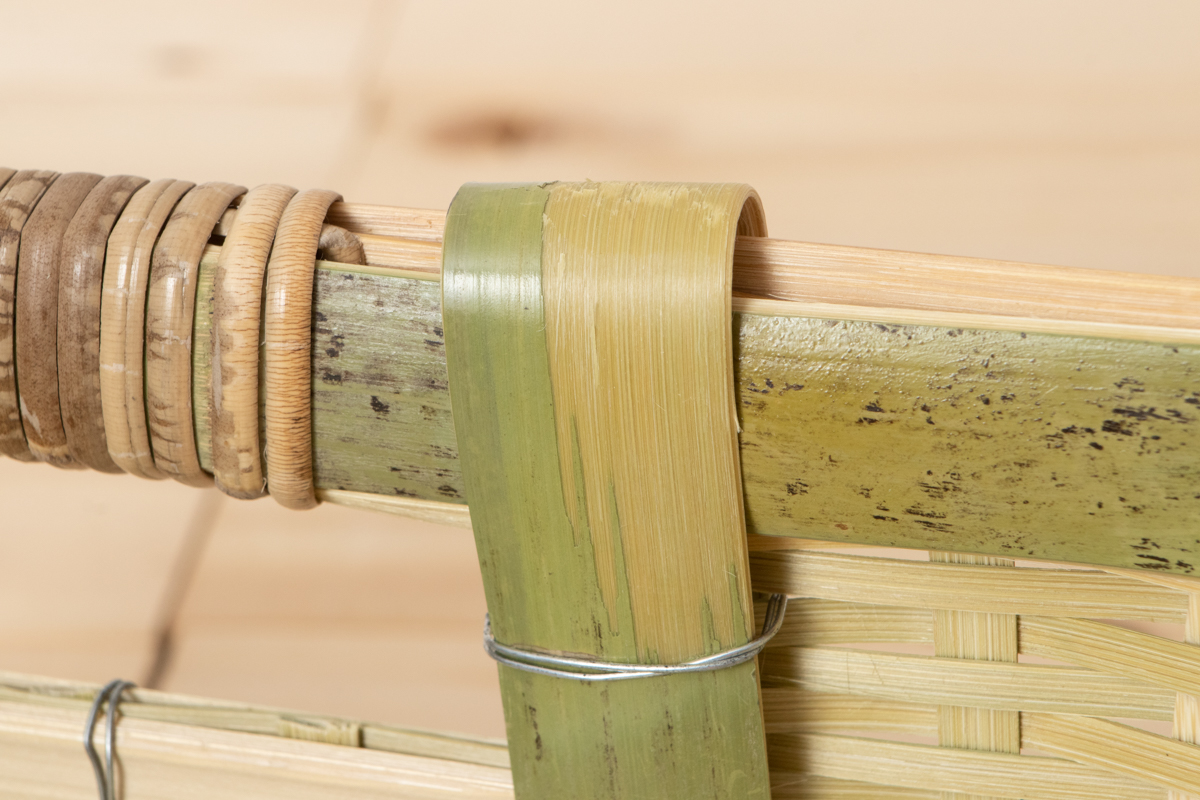
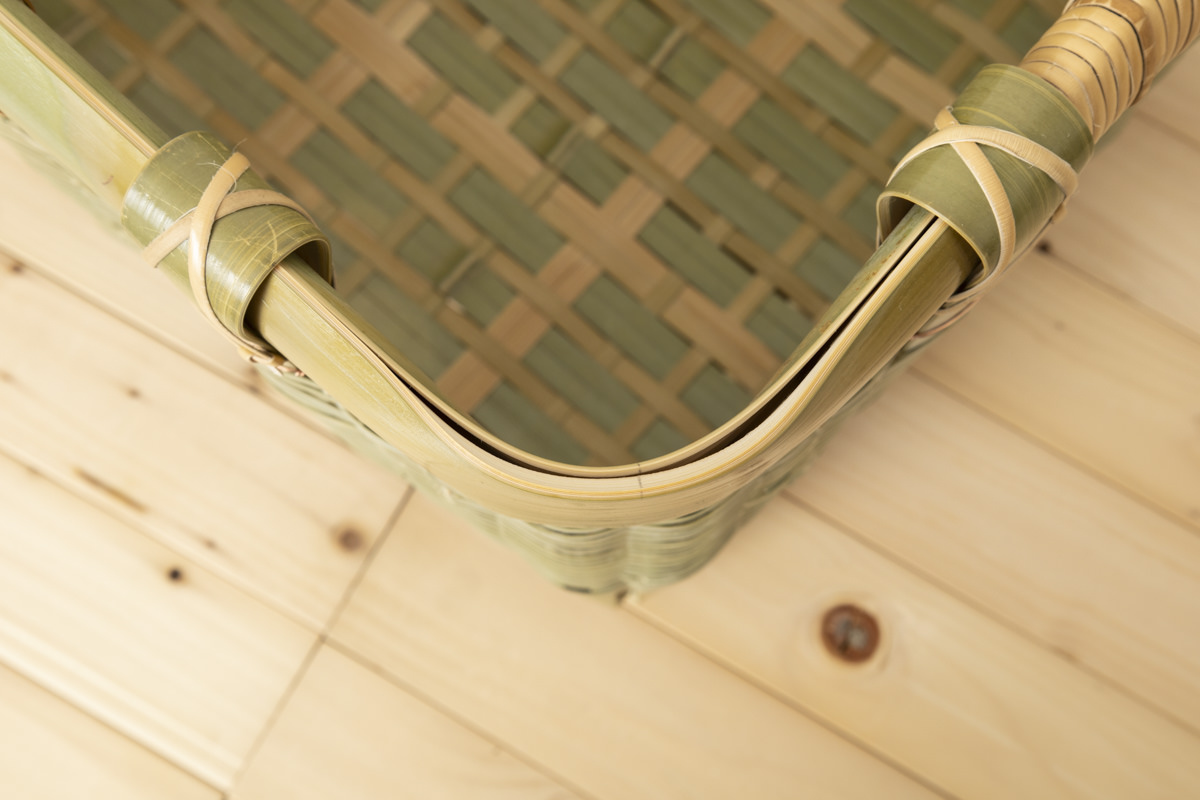
Making a kakukago requires a unique set of techniques—thick bamboo must be shaved, bent using heat, and transformed from its natural straight form into a square structure.
Creating Goyōkago baskets, in particular, demands great physical strength in the legs and lower back.
As the older artisans retired and no successors remained, production declined drastically across Japan, and today these baskets are extremely rare.
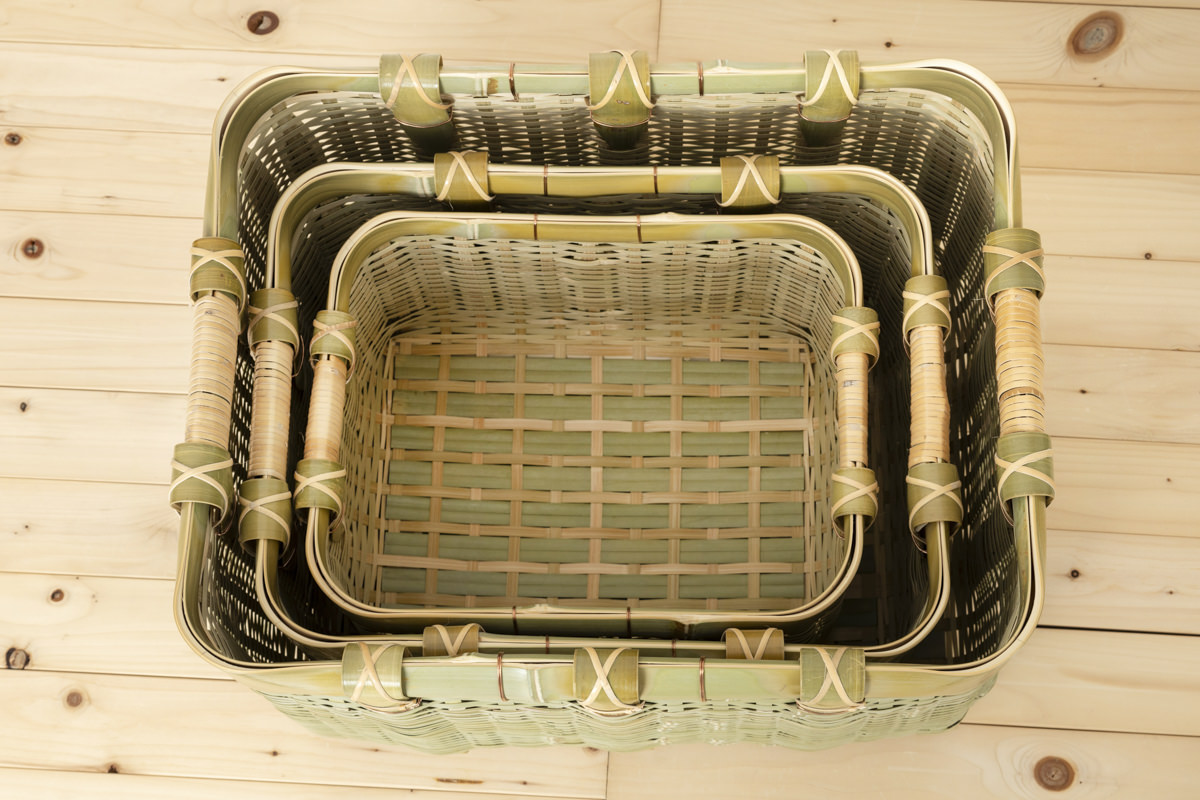
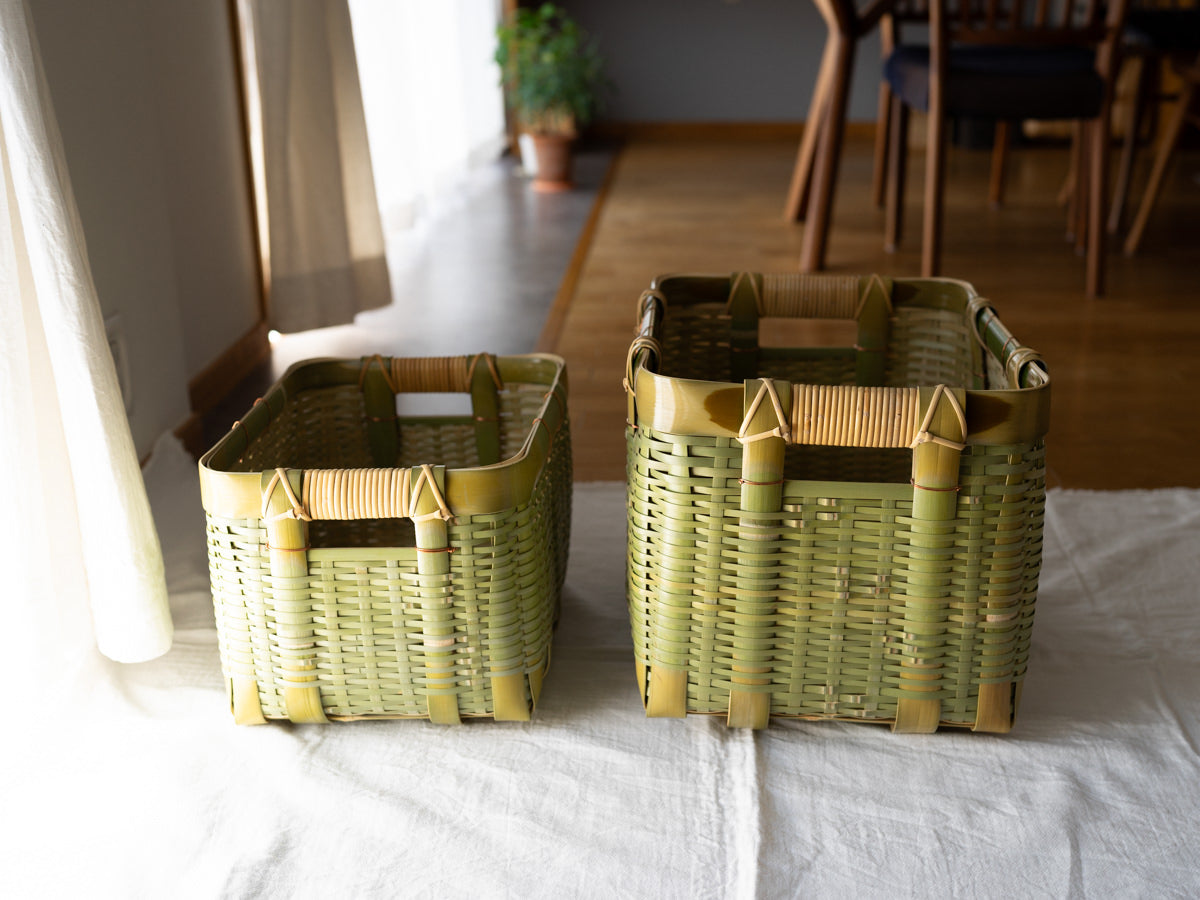
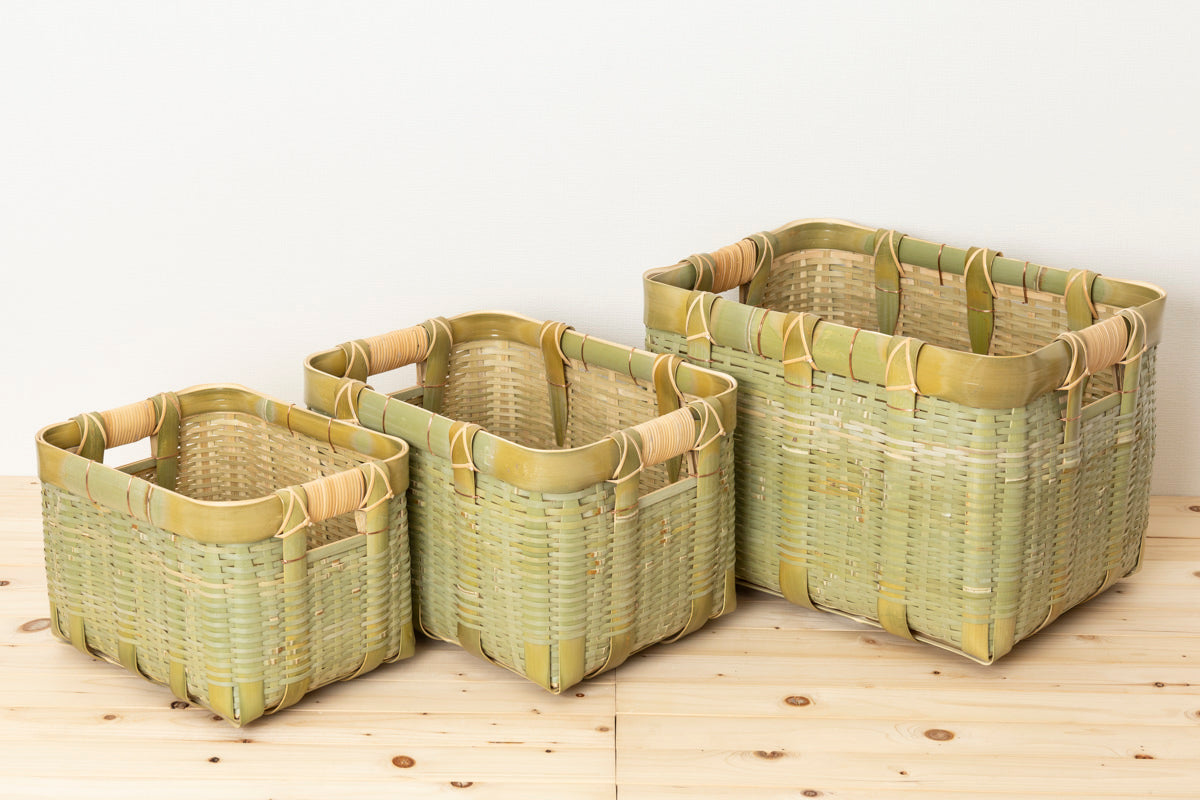
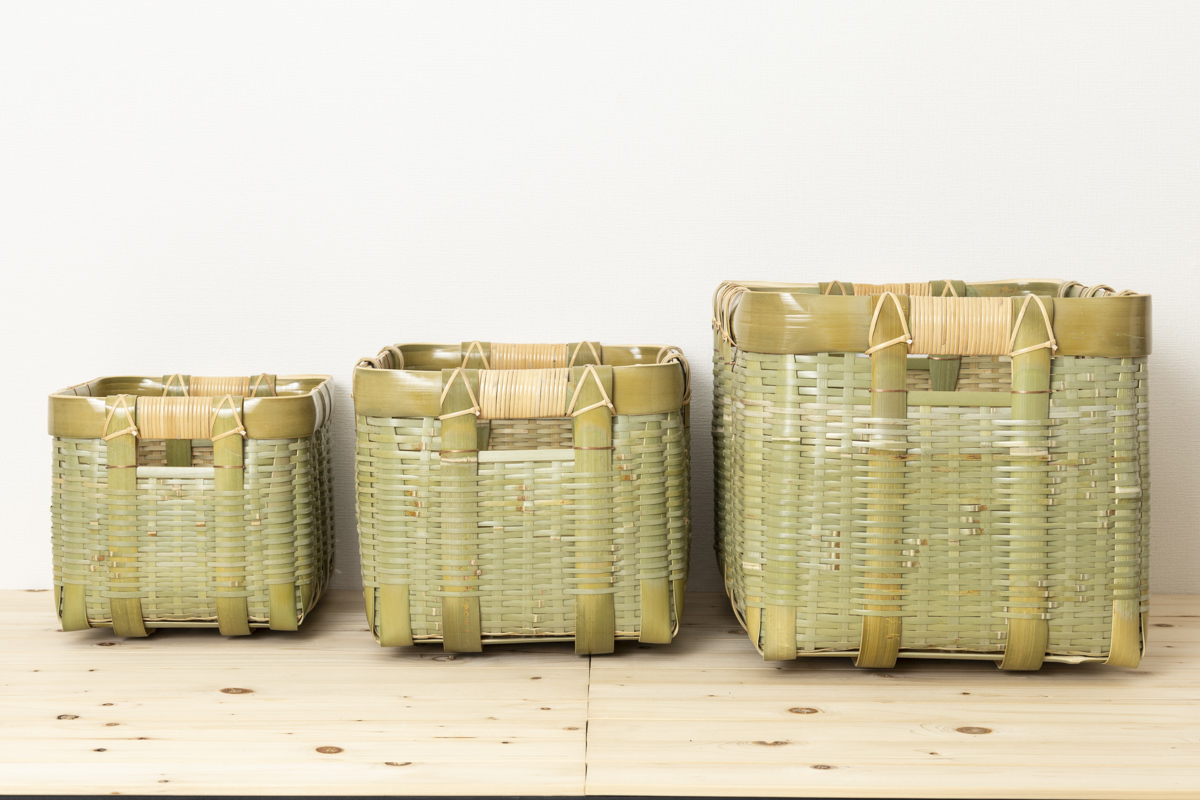
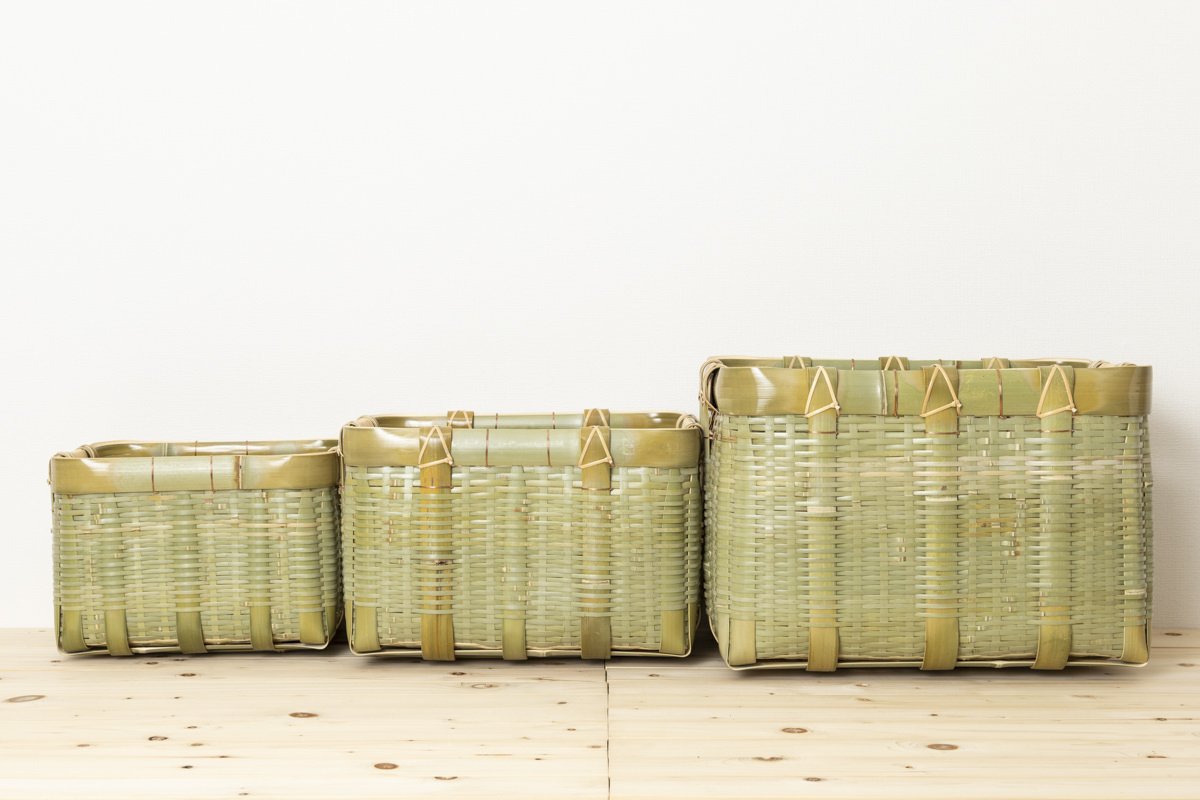
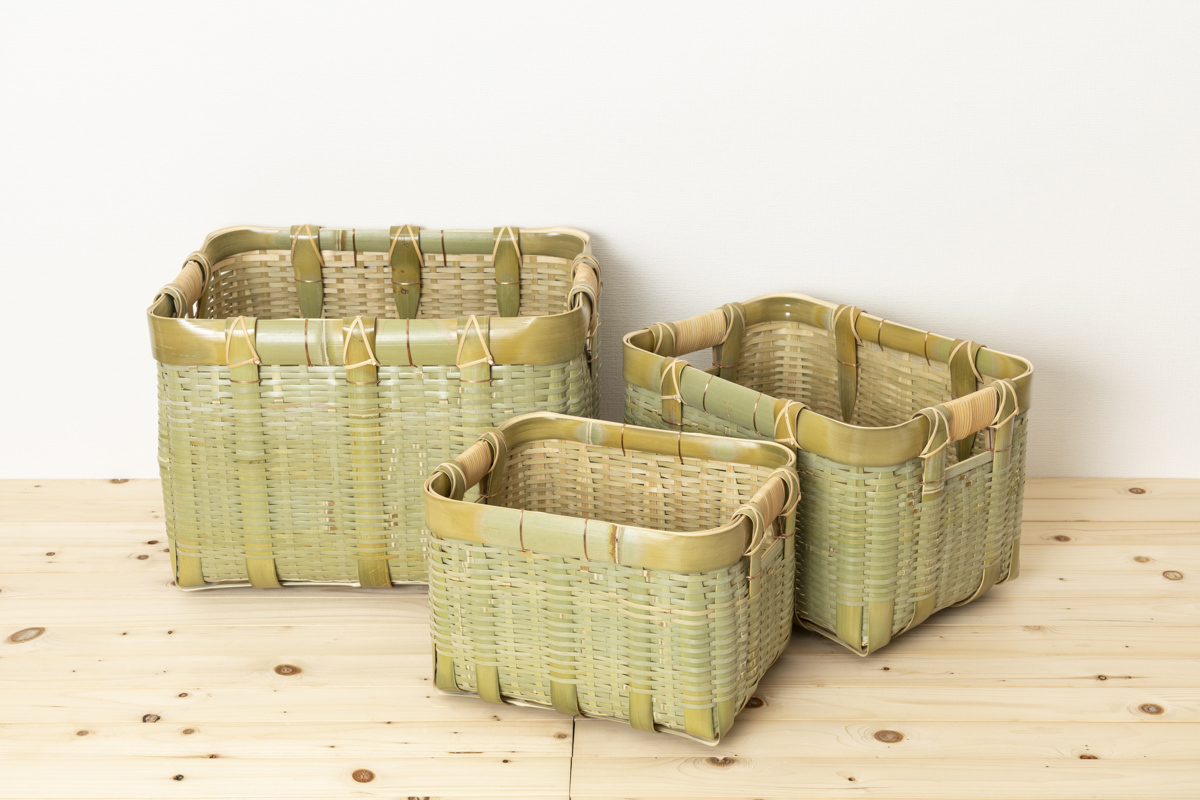
On this page, we introduce the Goyōkago in three sizes—small, medium, and large.
Generally, Goyōkago baskets are made from green bamboo.
“Green bamboo” refers to madake bamboo that is freshly cut and used in its natural green state.
(In contrast, bamboo that has been heat-treated to remove its green hue is called “white bamboo.”)
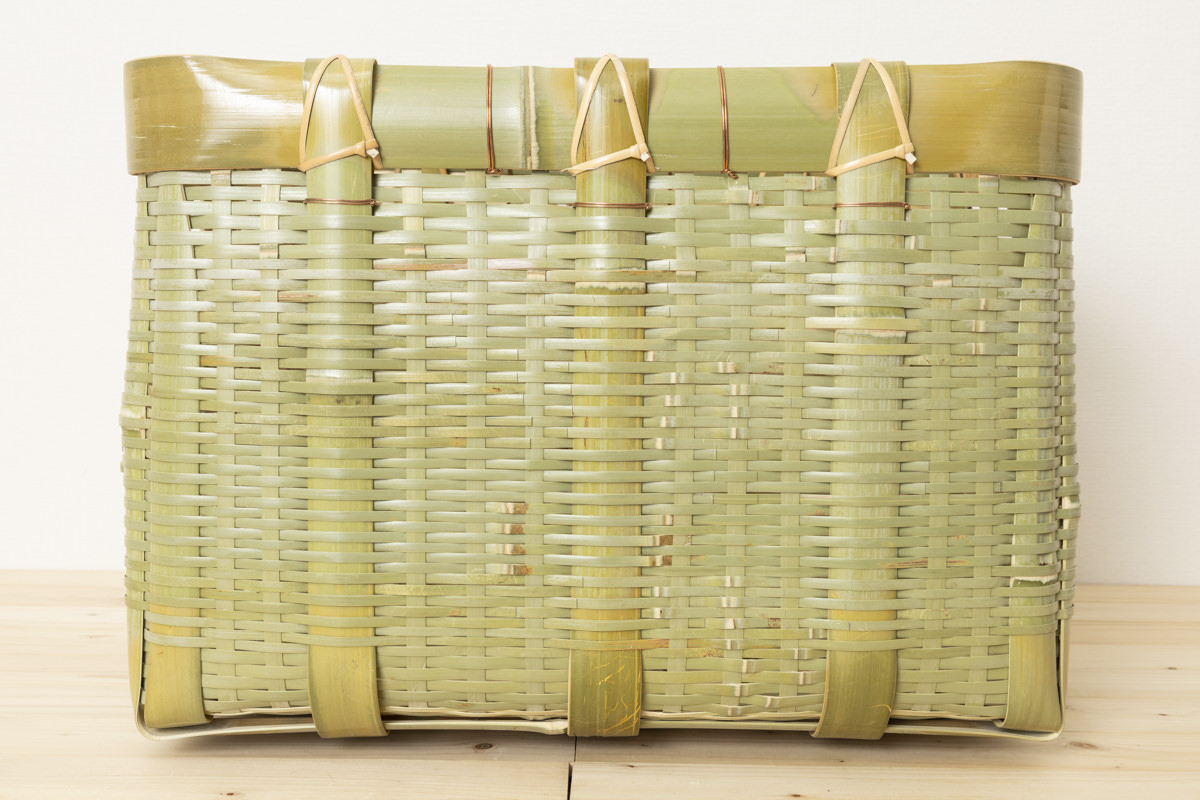
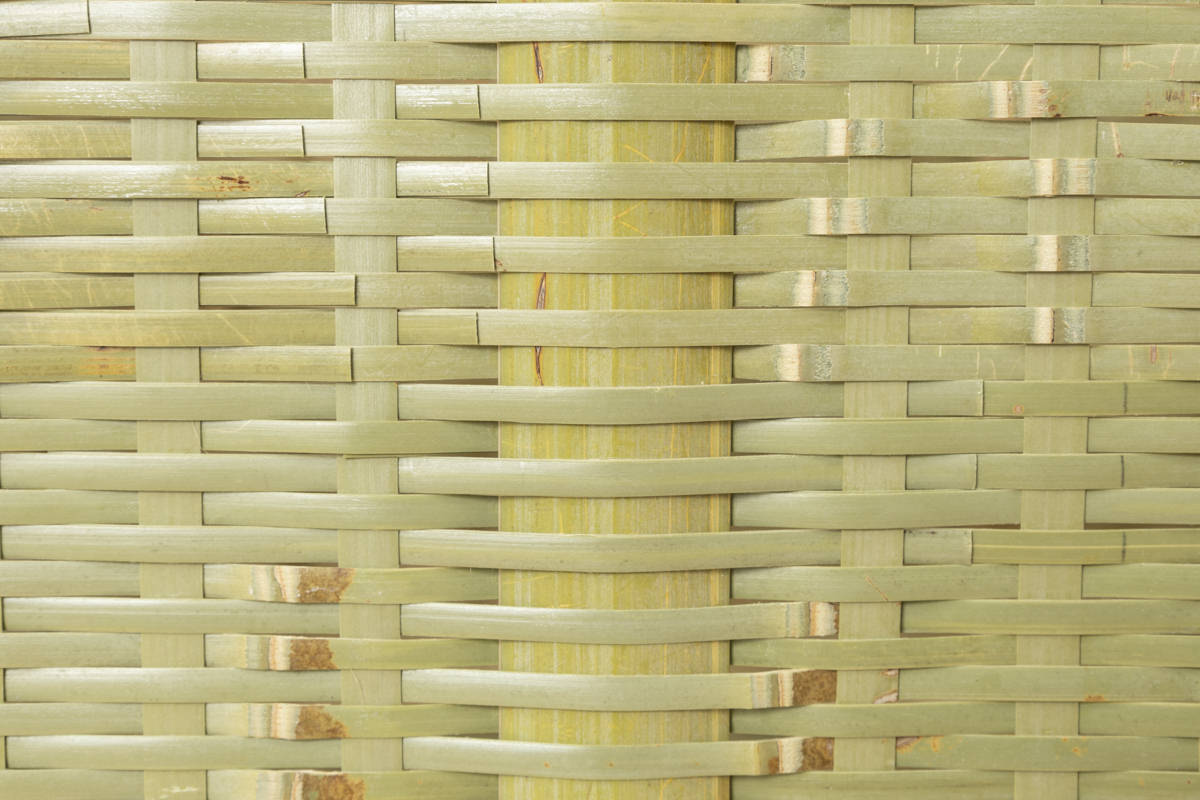
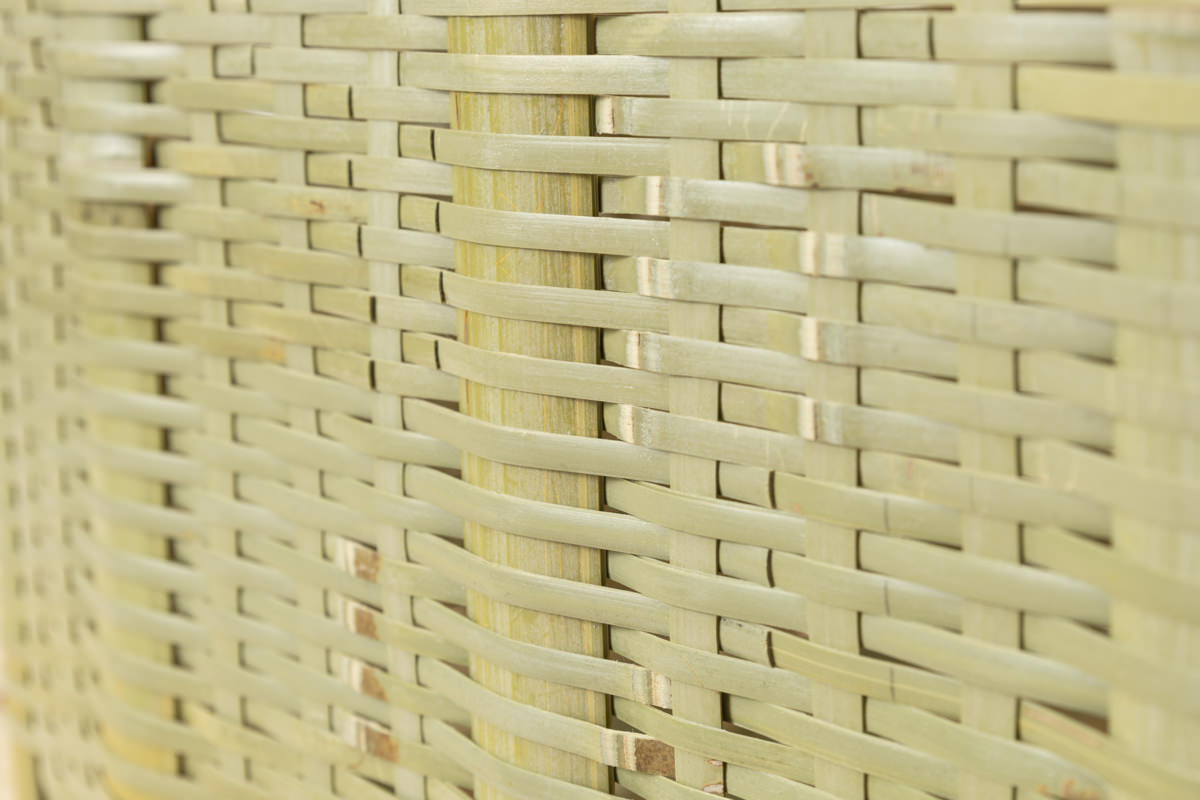
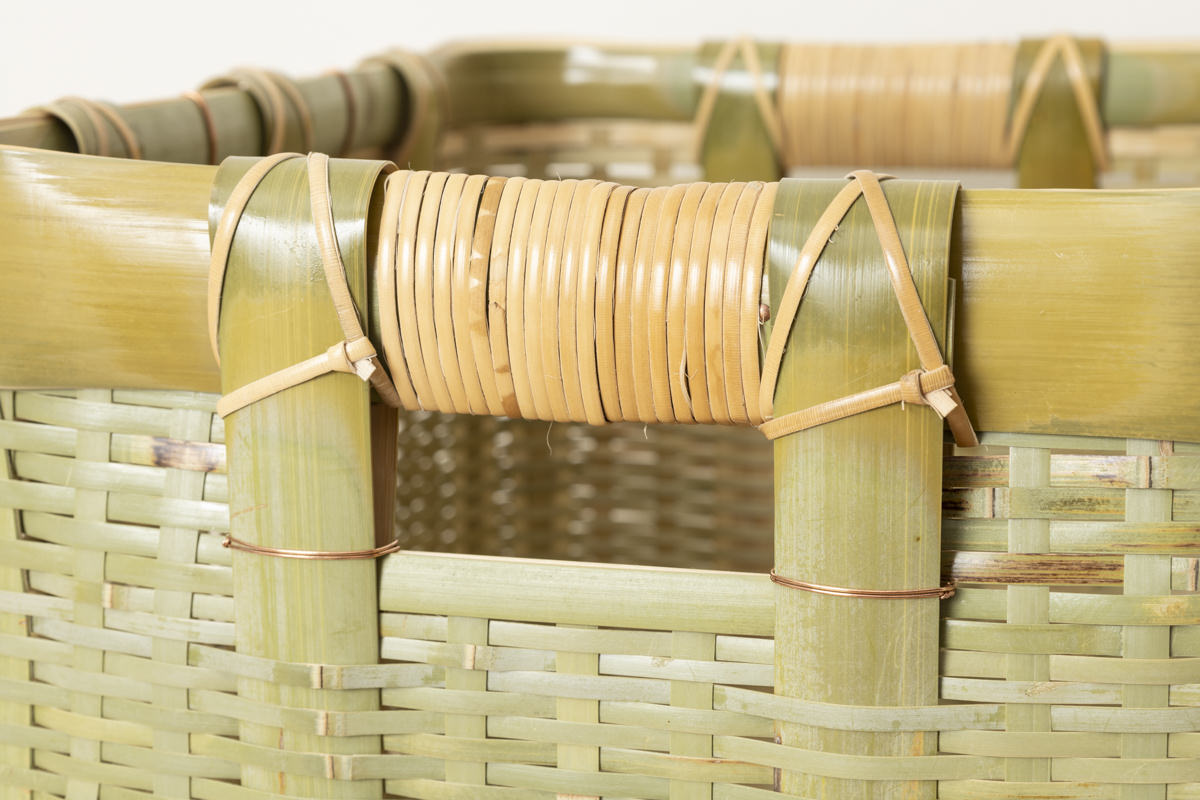
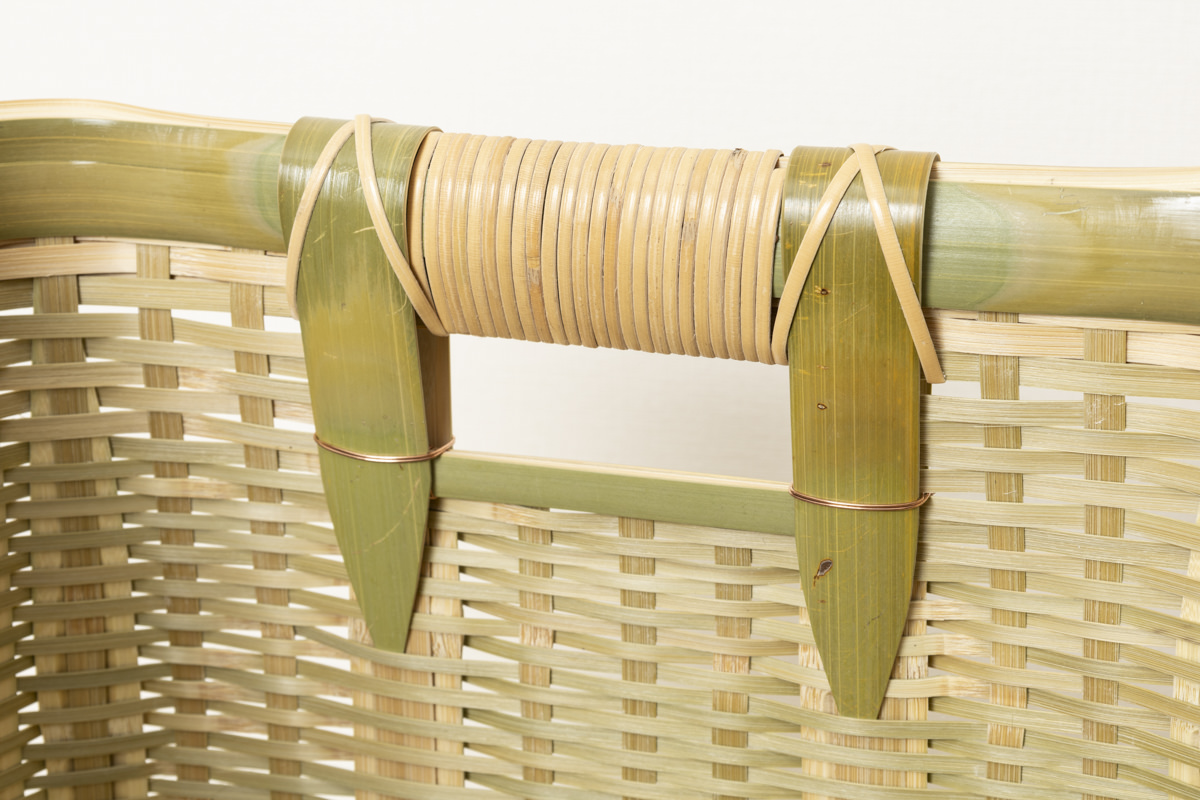
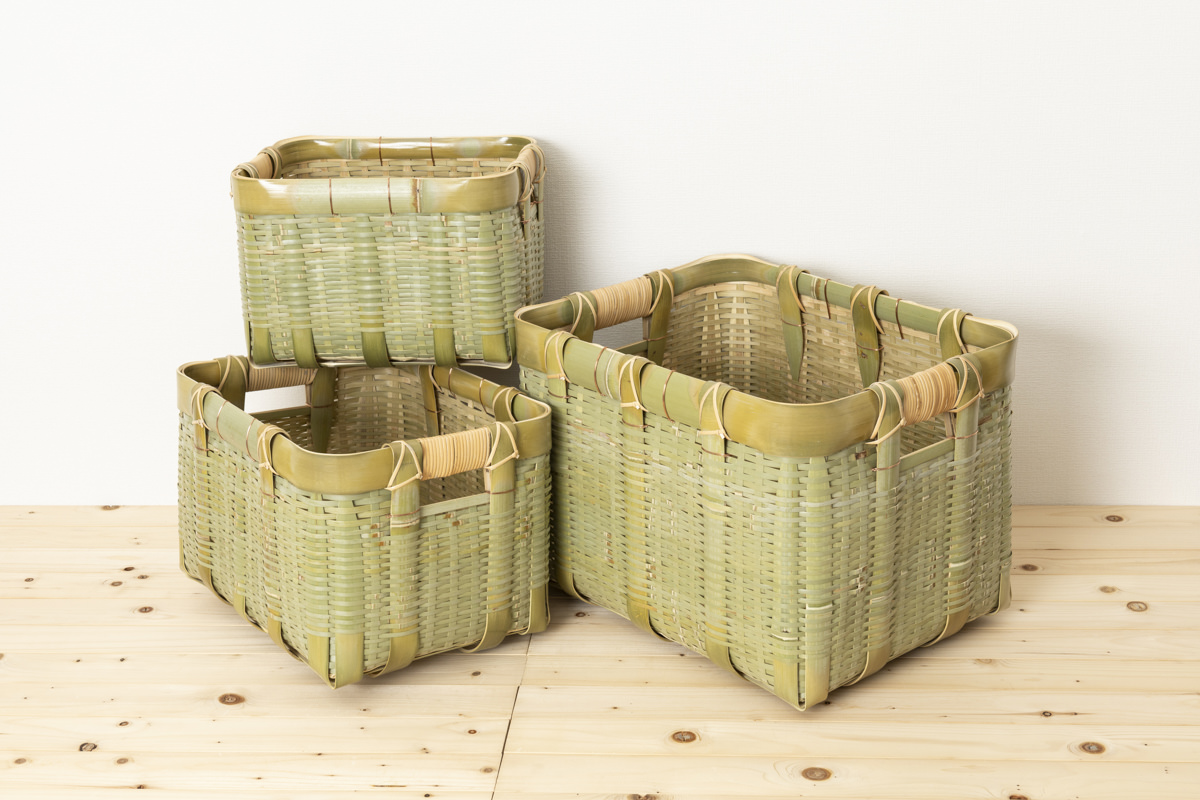
Now, let us introduce each size.
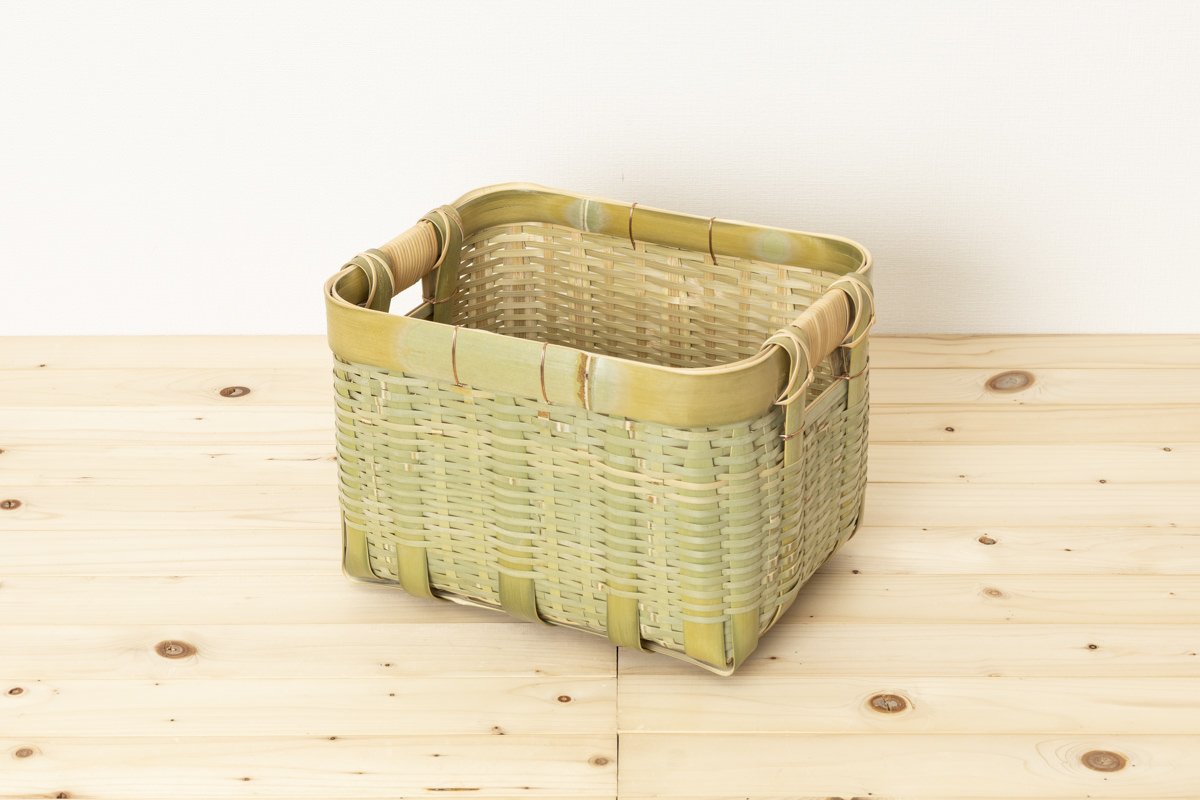
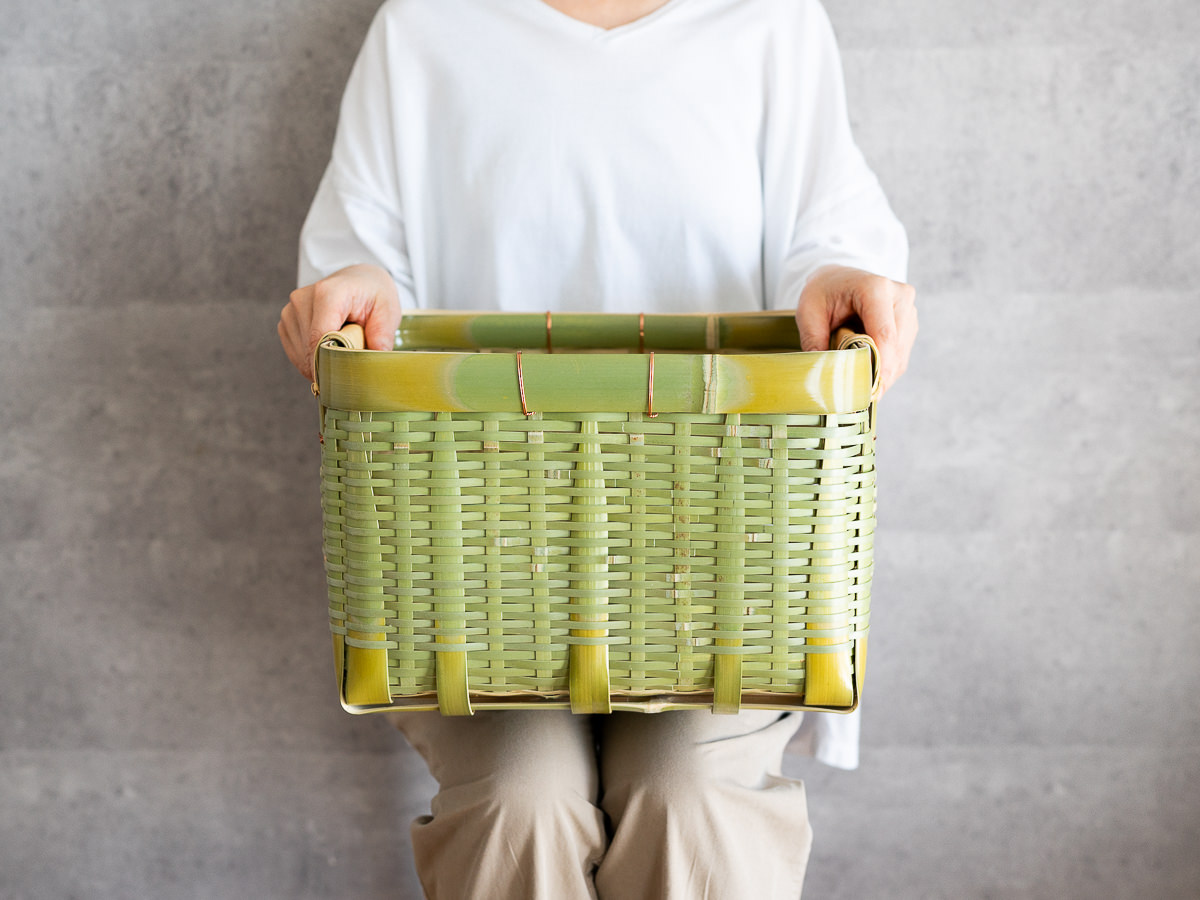
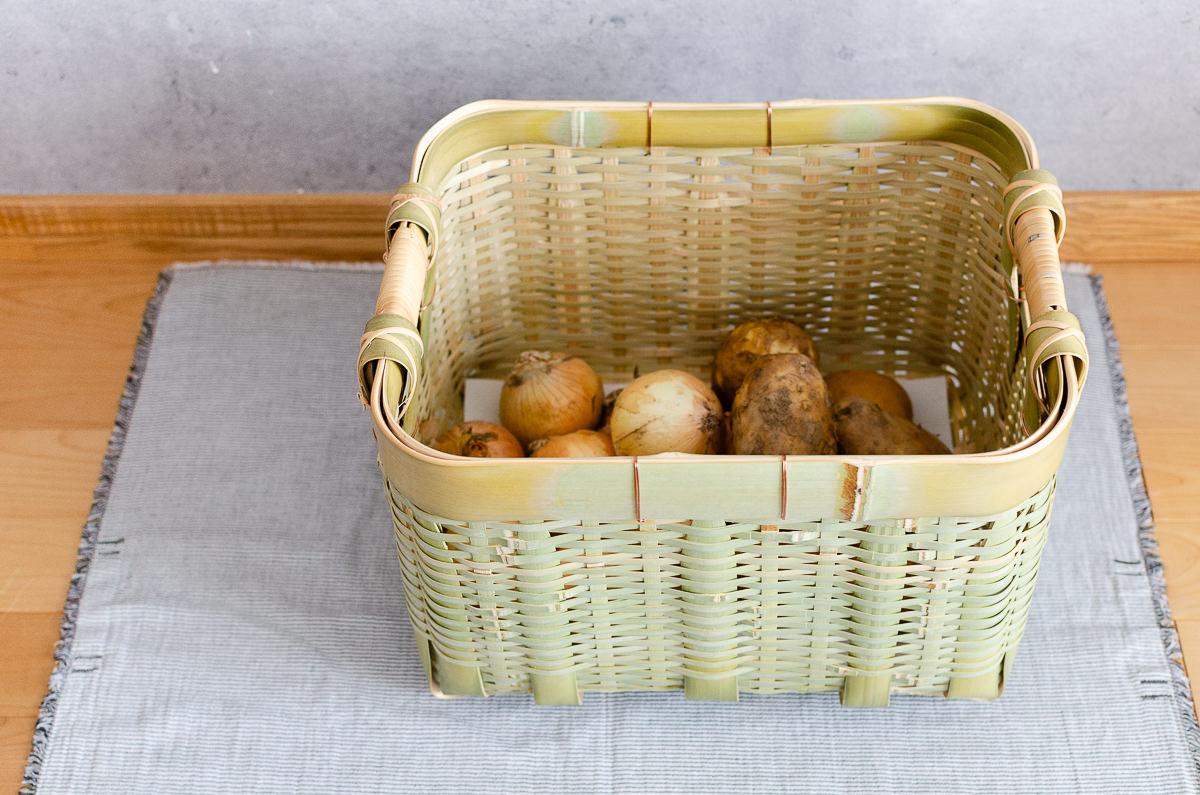
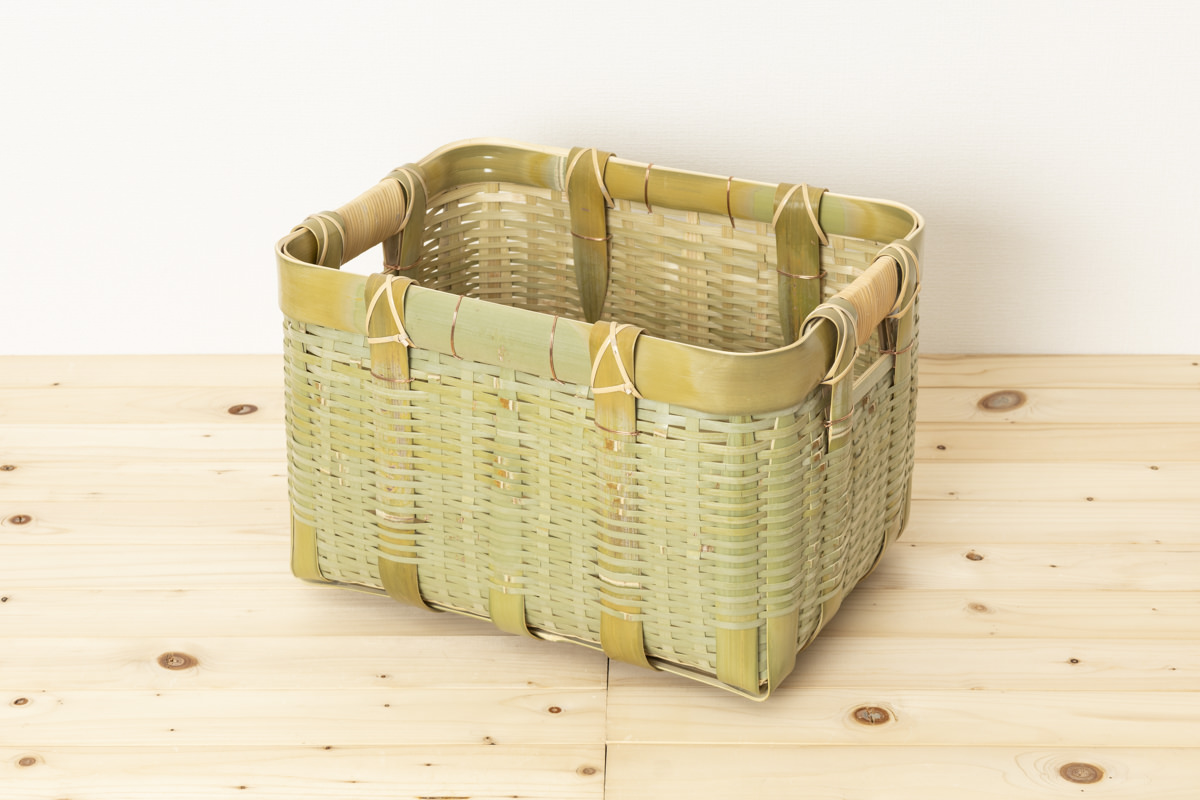
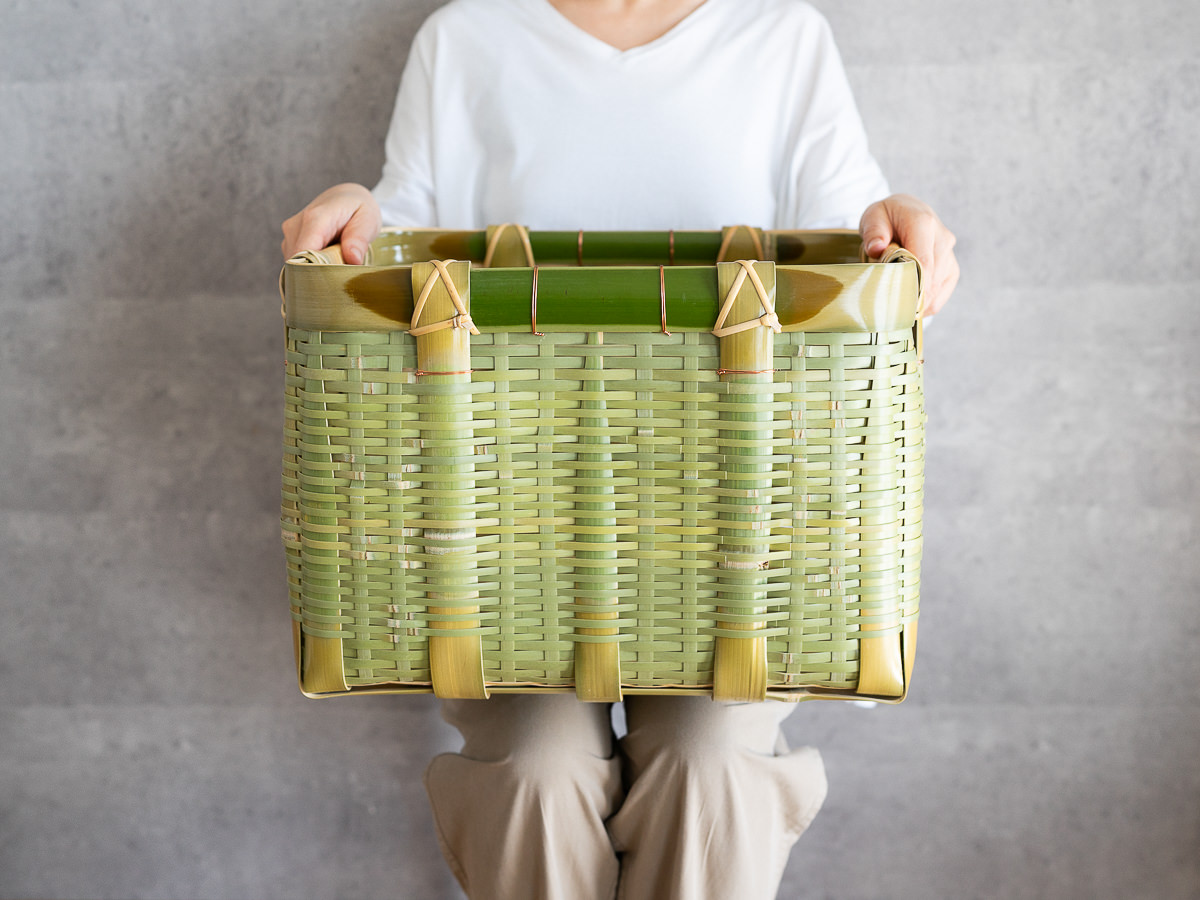
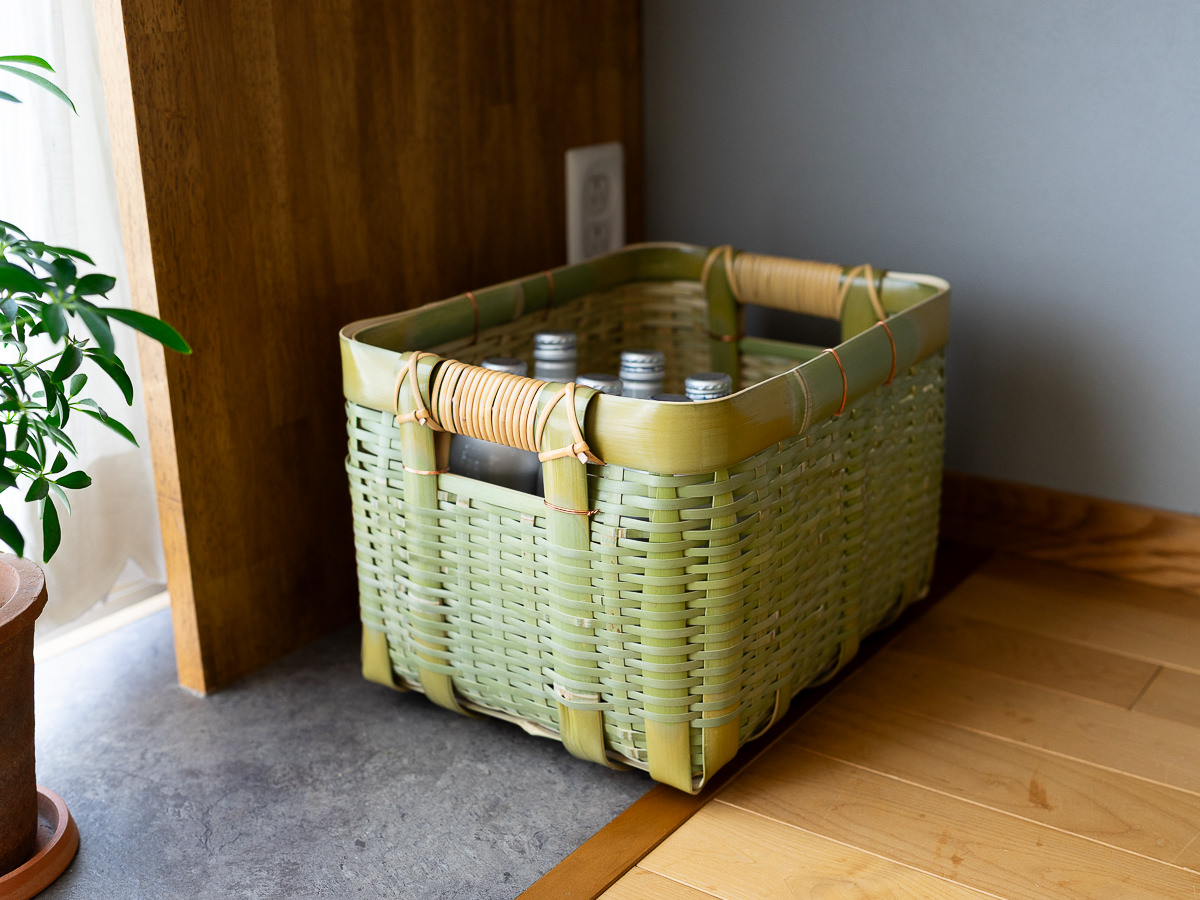
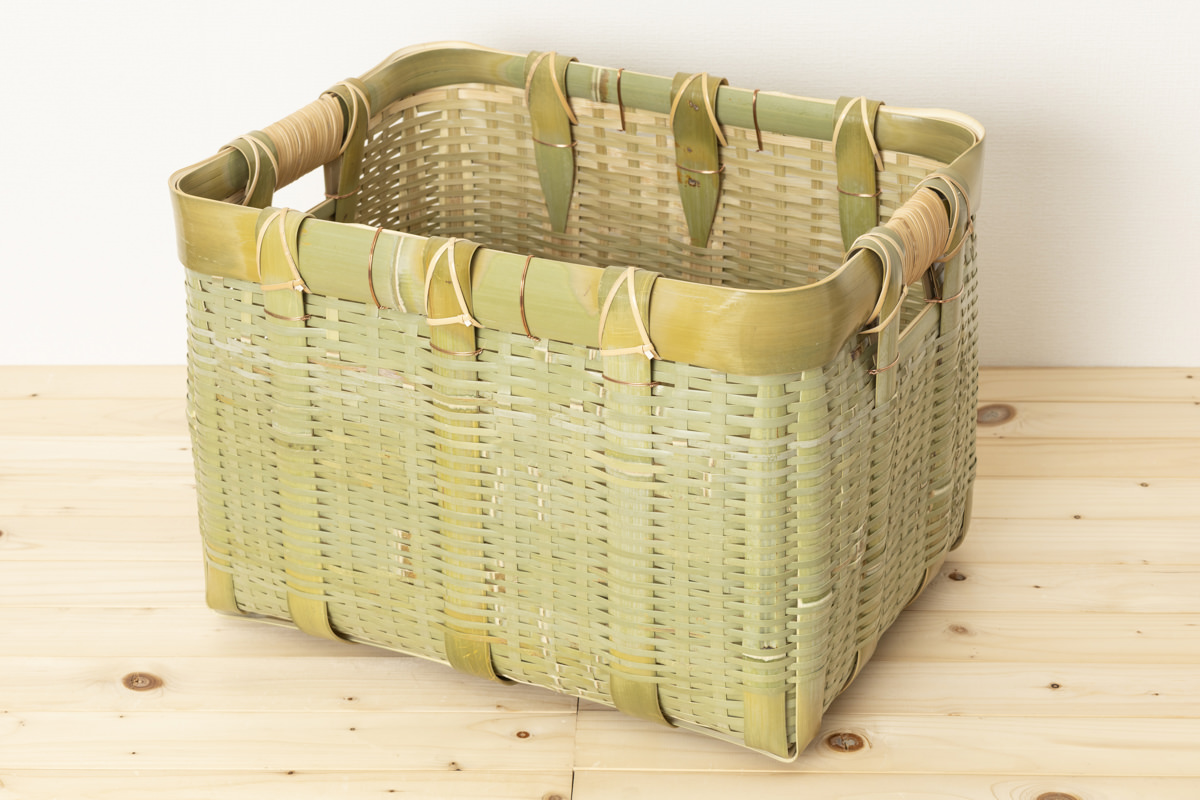
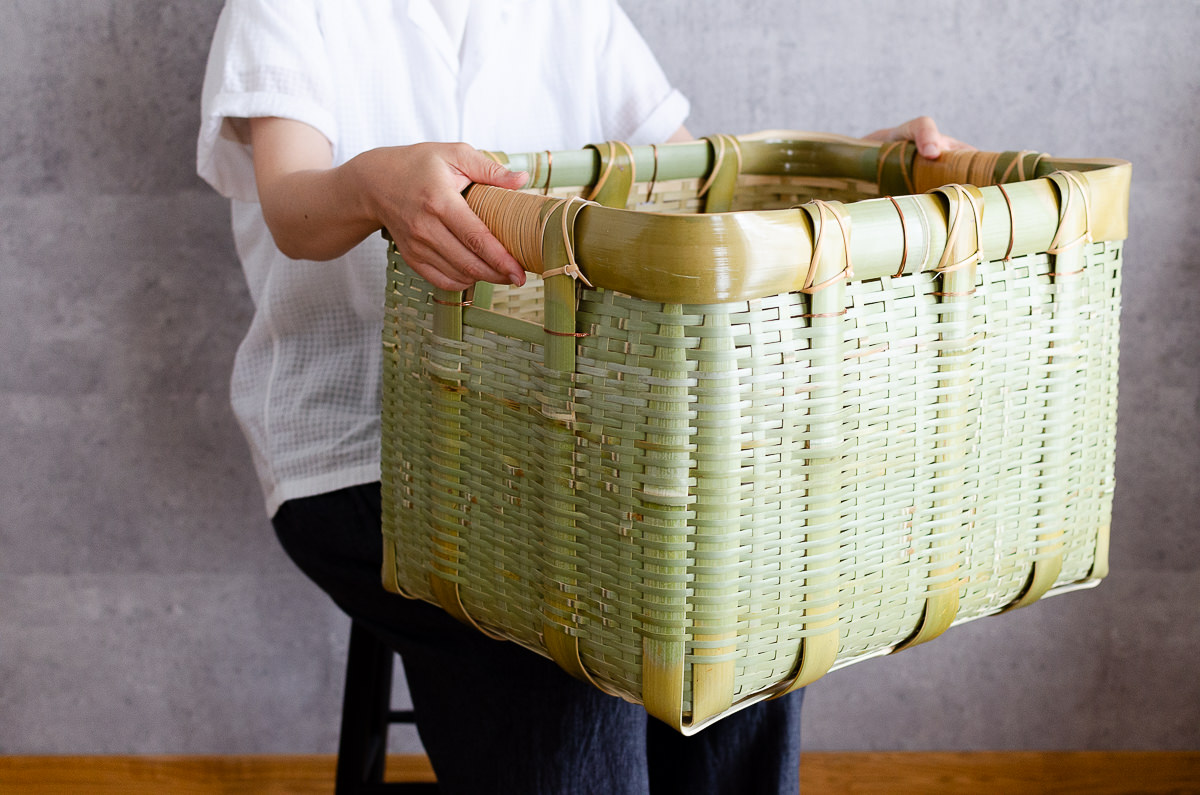
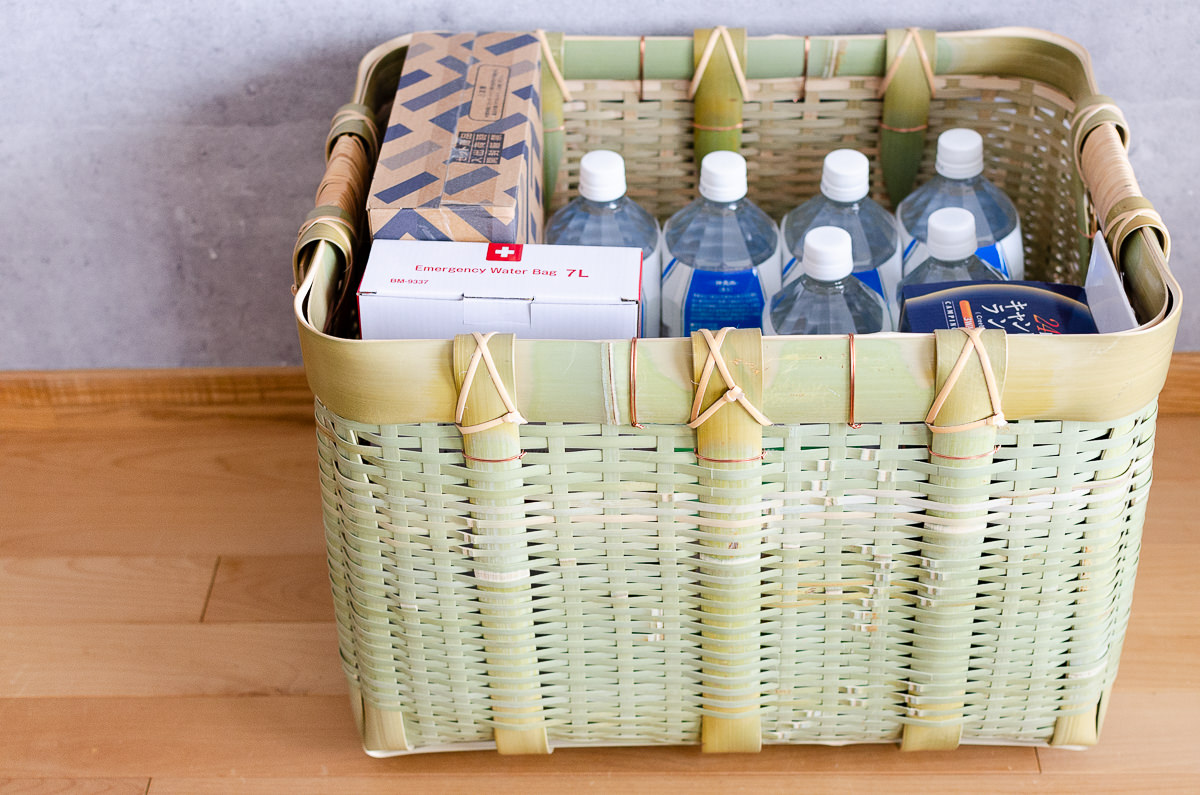
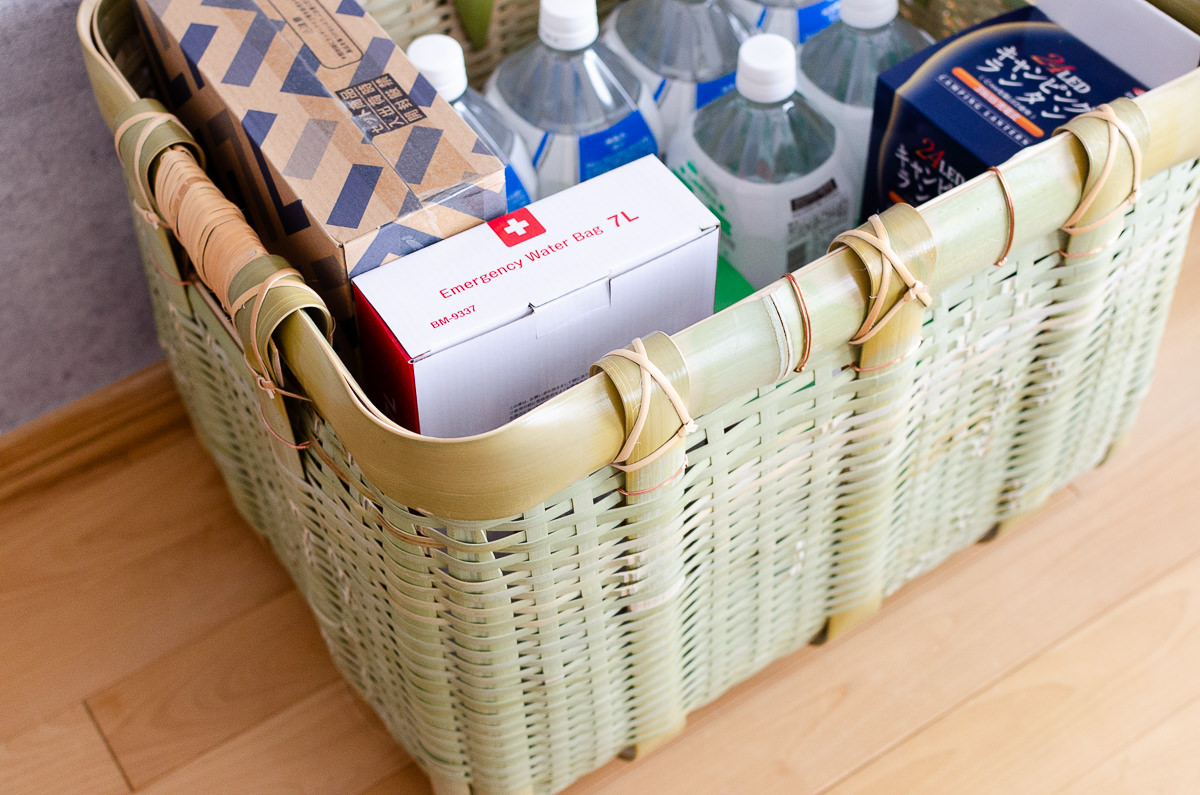
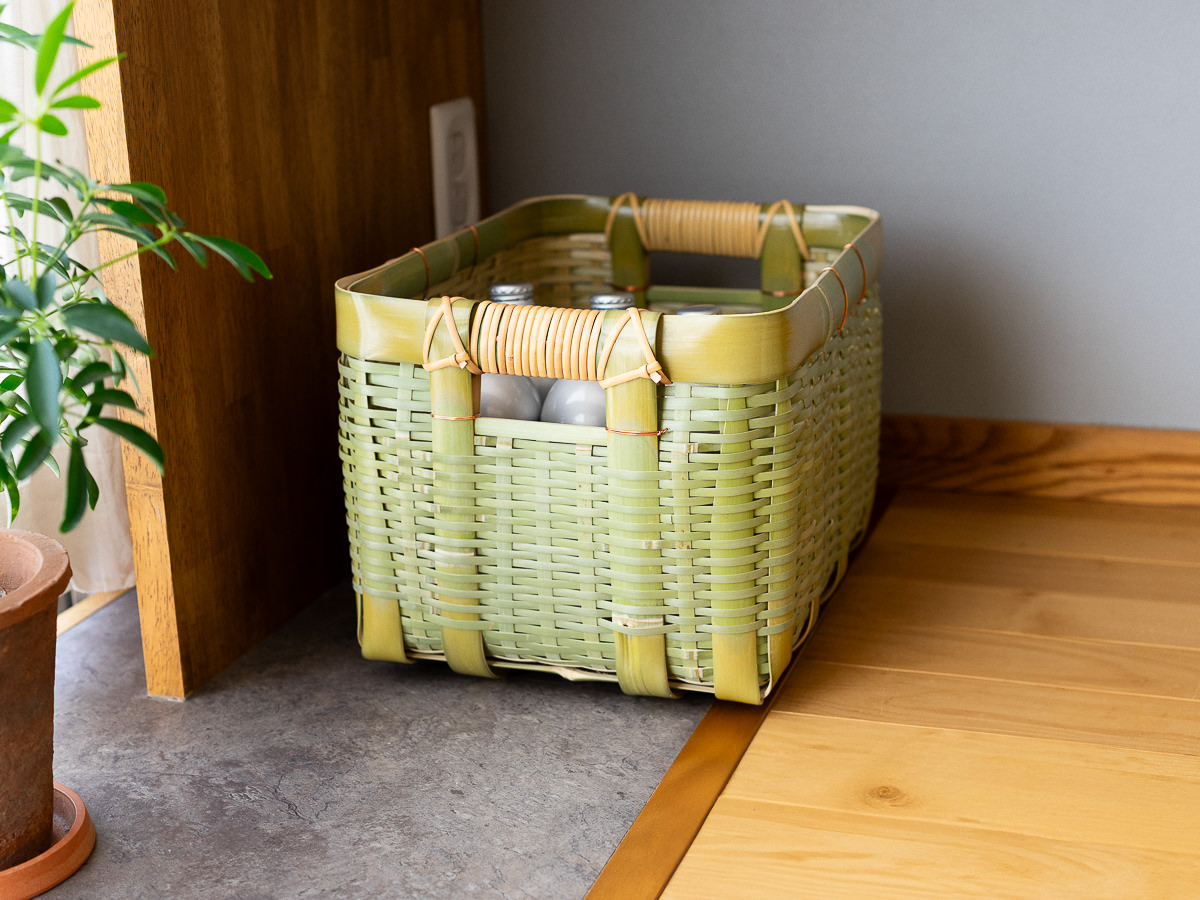
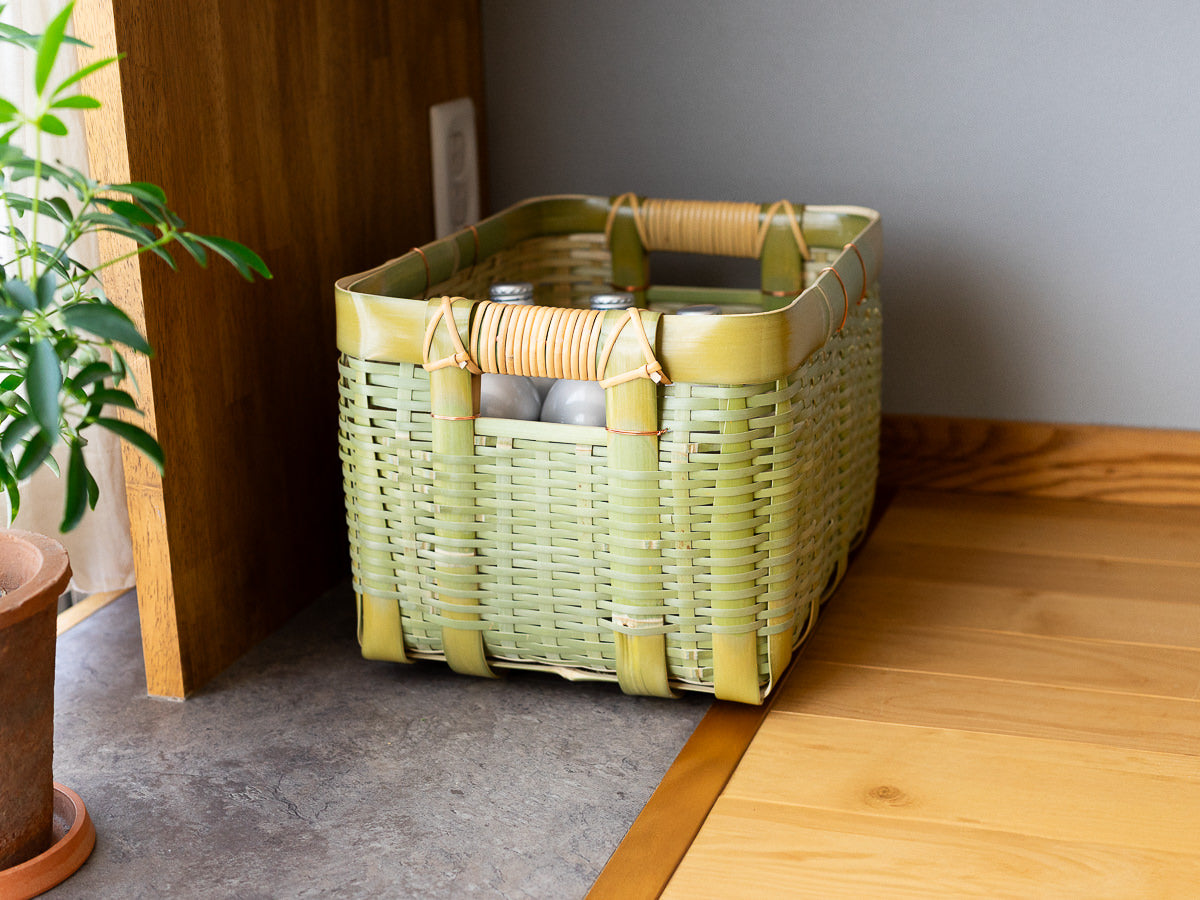
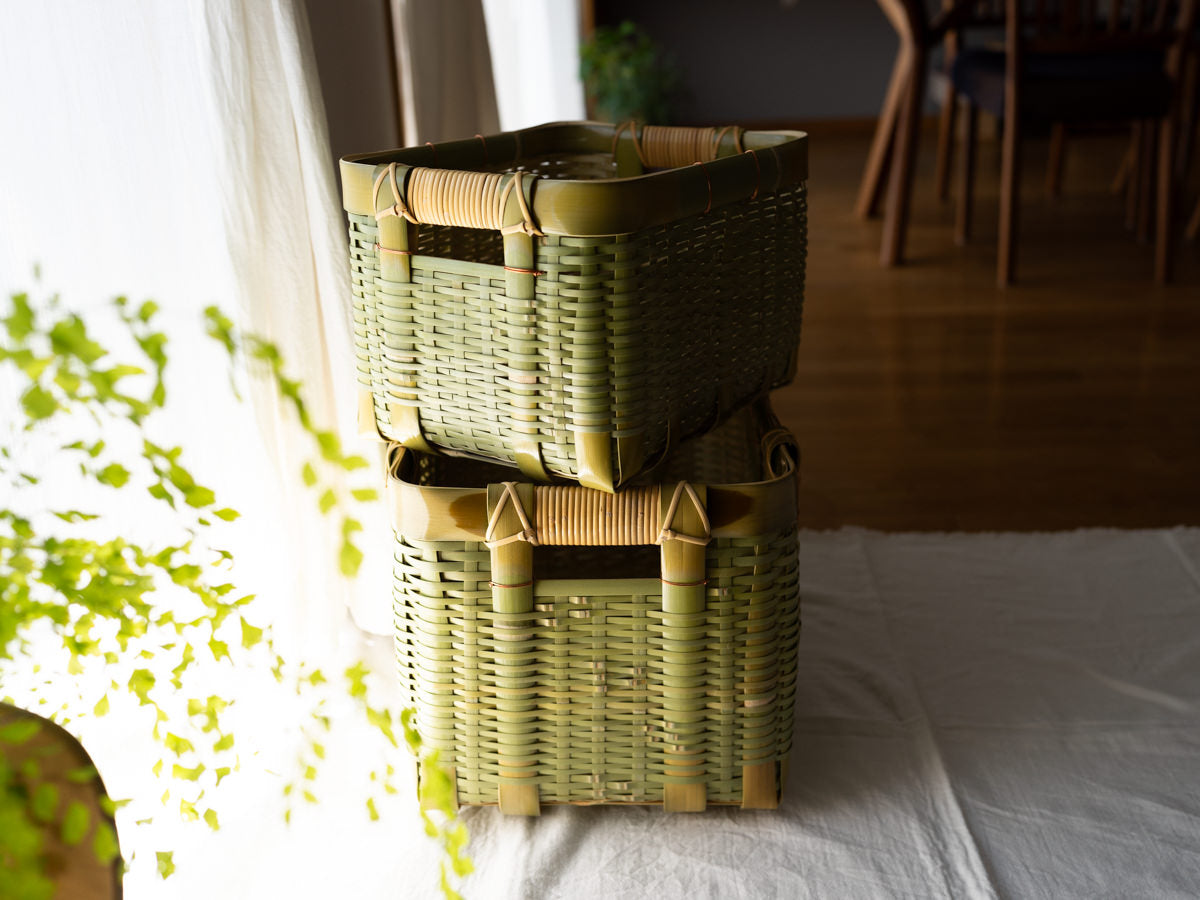
A rectangular basket like this fits neatly into the corners of a room, against a wall,
or on a shelf without wasting space.
Even when several are placed side by side, they look tidy and well-organized.
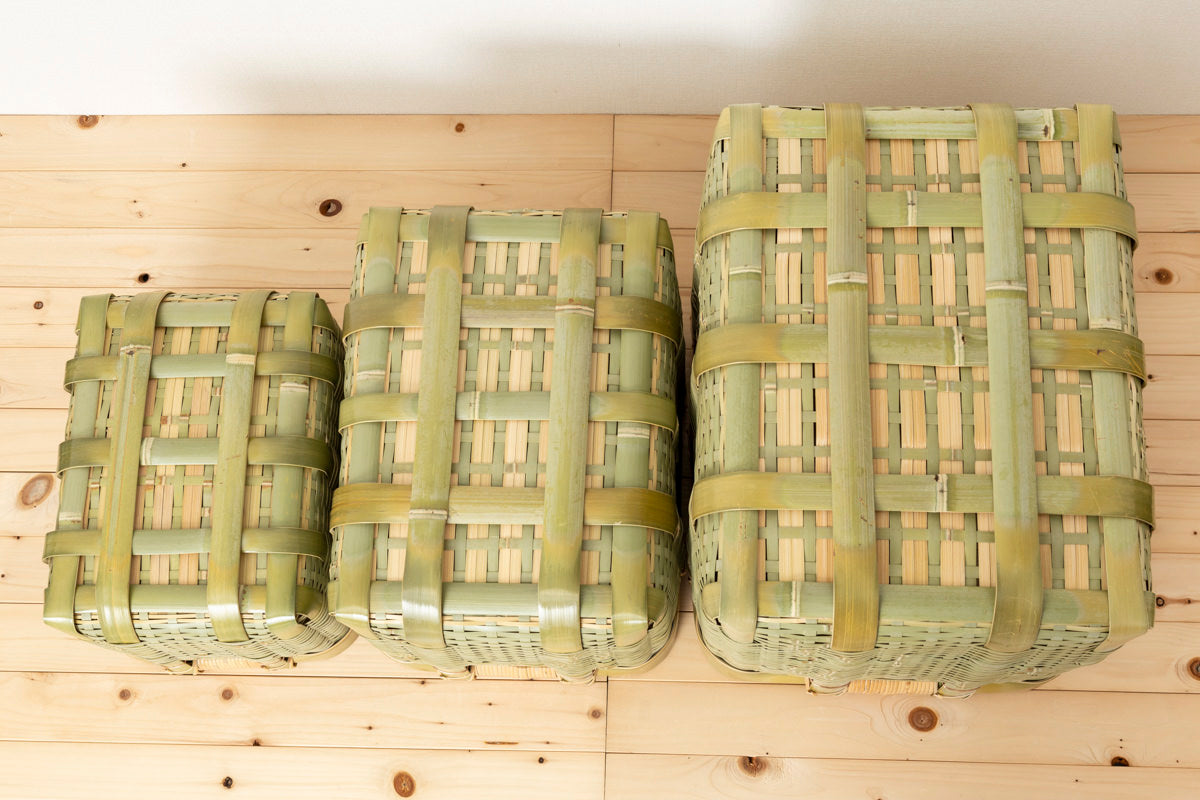
If placed directly on flooring, dragging the bamboo base may cause scratches on the surface.
If that concerns you, it’s best to place a cloth or paper underneath,
or attach felt pads to the points where the bottom support bamboos touch the floor.
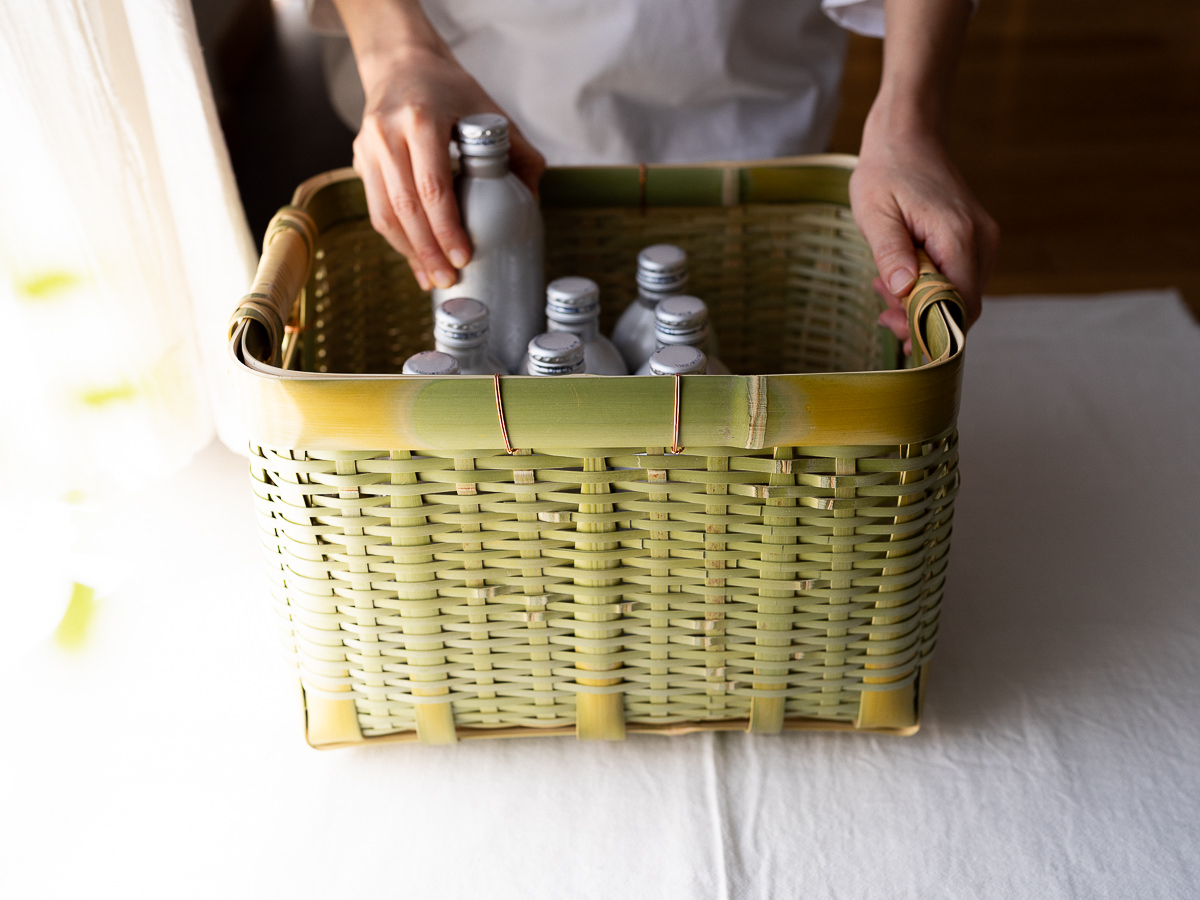
During the era when Goyōkago baskets were widely produced (from the Meiji to the Showa period),
bamboo crafts such as baskets and sieves made from green bamboo were generally called “aramono,”
meaning simple household goods.
The Goyōkago featured here, however, stands apart from such “aramono” pieces.
It is exceptionally well made, with clean, precise workmanship throughout,
showing that when handled properly, it can be used for many years.
Unlike fine bamboo work that uses thin strips similar to sasa leaves,
green bamboo craftsmanship allows for thicker, wider strips to be taken from the material.
This makes it durable enough for everyday, heavy-duty use such as transport work.
A sturdy, well-built square basket—perfect for both home and professional use.
Please select your preferred size.
Please note:
This item ships from Japan.
As the buyer, you are responsible for any import duties, customs fees, or local taxes that may be charged in your country.
These costs are not included in the item price or shipping cost.
Please check with your local customs authority if you are unsure about any potential charges before placing your order.
Coming soon
Invalid password
Enter